As the demand for sustainable construction grows, builders and homeowners are seeking engineered wood eco friendly options that offer both environmental benefits and reliable strength. Modern engineered wood products are designed to maximize the use of renewable resources, reduce waste, and deliver impressive structural performance. These materials are playing a vital role in the shift toward greener building practices, providing alternatives to traditional lumber and steel while supporting long-term durability.
Engineered wood solutions are not only resource-efficient but also contribute to healthier indoor environments and lower carbon footprints. By choosing advanced wood composites and responsibly sourced materials, projects can meet rigorous sustainability standards without sacrificing quality or safety. For those interested in exploring other innovative sustainable materials, resources like bio based construction materials offer valuable insights into the future of green building.
Understanding Sustainable Engineered Wood Products
Engineered wood refers to a range of products made by binding or fixing strands, particles, fibers, or veneers of wood together with adhesives to form composite materials. These products are designed to optimize the use of wood resources, often utilizing smaller trees, wood waste, or fast-growing species. Common types include plywood, oriented strand board (OSB), laminated veneer lumber (LVL), and cross-laminated timber (CLT).
What sets eco friendly engineered wood apart is the focus on responsible sourcing, low-emission adhesives, and manufacturing processes that minimize environmental impact. Many of these products are certified by organizations such as the Forest Stewardship Council (FSC), ensuring that the wood comes from sustainably managed forests.
Benefits of Choosing Green Engineered Wood Materials
Opting for engineered wood eco friendly options brings several advantages for both the environment and the structural integrity of a building:
- Resource Efficiency: Engineered wood makes use of smaller logs, wood chips, and even sawmill byproducts, reducing waste and pressure on old-growth forests.
- Lower Carbon Footprint: Wood products store carbon, and sustainable harvesting combined with efficient manufacturing can significantly reduce greenhouse gas emissions compared to concrete or steel.
- Consistent Strength: Engineered wood is manufactured to precise specifications, resulting in predictable performance and fewer defects than solid lumber.
- Design Flexibility: These materials can be produced in large sizes and custom shapes, enabling innovative architectural solutions.
- Indoor Air Quality: Many eco-friendly engineered wood products use low-VOC adhesives, contributing to healthier living spaces.
For those interested in exploring plant-based alternatives, plant based building materials offer additional sustainable options that complement engineered wood in green construction.
Popular Types of Eco-Conscious Engineered Wood
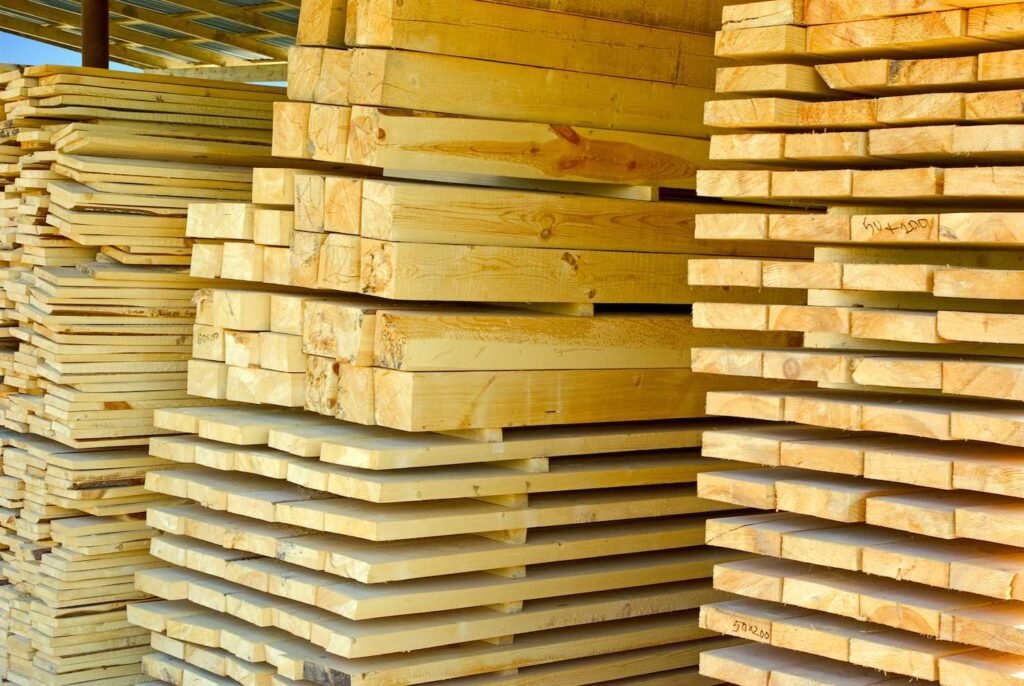
Several engineered wood products stand out for their sustainability and strength. Here are some of the most widely used options:
Plywood and Oriented Strand Board (OSB)
Plywood is made from thin layers of wood veneer glued together, while OSB consists of compressed wood strands and adhesives. Both are valued for their versatility, strength, and efficient use of wood resources. Many manufacturers now offer low-formaldehyde or formaldehyde-free versions to further reduce environmental impact.
Cross-Laminated Timber (CLT)
CLT is a solid wood panel product made from gluing layers of lumber at right angles. It offers exceptional strength and stability, making it suitable for floors, walls, and roofs in multi-story buildings. CLT is often sourced from sustainably managed forests and is recognized for its low embodied energy.
Laminated Veneer Lumber (LVL) and Glulam
LVL is produced by bonding thin wood veneers in a parallel alignment, resulting in a product with high strength-to-weight ratio. Glulam (glued laminated timber) is made by gluing together layers of dimensional lumber, allowing for long spans and curved shapes. Both are commonly used in beams and structural supports, providing a renewable alternative to steel or concrete.
To learn more about innovative natural materials, explore the use of mushroom insulation material construction for eco-conscious building.
How Engineered Wood Supports Structural Integrity
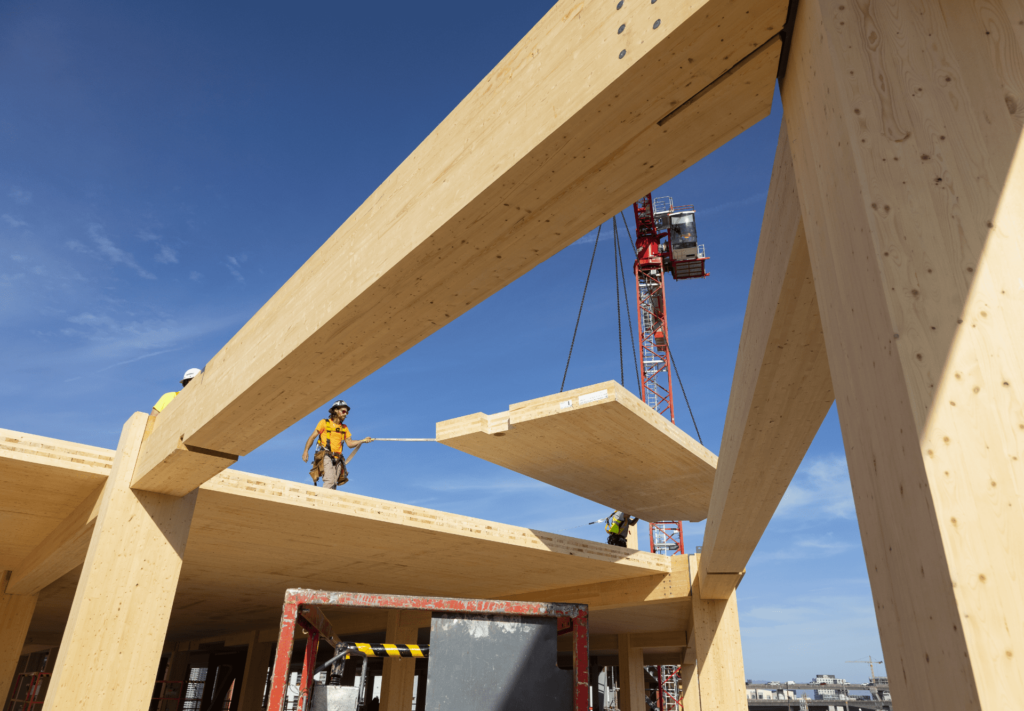
One of the key reasons for the popularity of eco friendly engineered wood is its ability to deliver reliable structural performance. These products are engineered to meet strict standards for load-bearing capacity, dimensional stability, and resistance to warping or splitting. The manufacturing process allows for precise control over moisture content and density, resulting in materials that perform consistently in a variety of applications.
Engineered wood can be used in:
- Floor joists and subfloors
- Wall framing and sheathing
- Roof trusses and decking
- Beams, columns, and load-bearing supports
With proper design and installation, these materials can match or exceed the strength of traditional lumber, while offering improved sustainability. For those interested in even more innovative approaches, mycelium building materials uses are gaining attention for their unique properties and environmental benefits.
Certifications and Standards for Sustainable Wood
When selecting engineered wood eco friendly options, look for certifications that verify responsible sourcing and low emissions. The most recognized include:
- FSC (Forest Stewardship Council): Ensures wood comes from responsibly managed forests.
- SFI (Sustainable Forestry Initiative): Focuses on sustainable forest management in North America.
- Greenguard or CARB Compliance: Indicates low emissions of formaldehyde and other VOCs.
These certifications help ensure that the wood used in your project supports environmental stewardship and healthy indoor air quality.
Comparing Engineered Wood to Other Green Materials
While engineered wood is a leading choice for sustainable construction, it is often used alongside other eco-friendly materials. For example, algae based building materials and bamboo products are gaining popularity for their rapid renewability and unique properties. Combining these materials can further reduce a building’s environmental impact and enhance overall performance.
For a broader perspective on future trends, see this overview of sustainable building materials for 2025, which highlights the latest innovations in the field.
Best Practices for Using Eco-Friendly Engineered Wood
To maximize the benefits of sustainable engineered wood, consider the following tips:
- Specify products with third-party sustainability certifications.
- Choose low-emission adhesives and finishes.
- Work with suppliers who prioritize responsible forestry and transparent sourcing.
- Ensure proper installation to maintain structural integrity and longevity.
- Integrate engineered wood with other green materials for a holistic approach.
By following these practices, builders and homeowners can create structures that are both environmentally responsible and built to last.
Frequently Asked Questions
What makes engineered wood more sustainable than traditional lumber?
Engineered wood products use smaller trees, wood waste, and byproducts, making them more efficient and reducing the pressure on old-growth forests. Many also use low-emission adhesives and are certified for responsible sourcing, further enhancing their sustainability.
Can eco-friendly engineered wood be used for load-bearing structures?
Yes, many engineered wood products such as CLT, LVL, and glulam are specifically designed for structural applications and can match or exceed the strength of traditional lumber when used correctly.
How do I know if an engineered wood product is truly eco-friendly?
Look for certifications like FSC, SFI, or Greenguard, which indicate responsible sourcing and low emissions. Additionally, ask suppliers about their manufacturing processes and the types of adhesives used to ensure the product meets your sustainability goals.