As the construction industry seeks more sustainable and eco-friendly solutions, plant based building materials are emerging as a leading force in green architecture. These materials, derived from renewable plant sources, offer a promising alternative to conventional products that often rely on non-renewable resources and energy-intensive manufacturing. By integrating natural fibers, agricultural byproducts, and bio-based composites, builders and designers are reimagining what it means to construct healthy, efficient, and environmentally responsible spaces.
From bamboo flooring to hempcrete insulation, the use of plant-derived resources is not only reducing the carbon footprint of new buildings but also inspiring innovative approaches to design and construction. For those interested in exploring related sustainable solutions, the article on mycelium building materials uses provides further insights into how natural materials are shaping the future of construction.

Bamboo, Cork, and Beyond: Leading Plant-Based Construction Materials
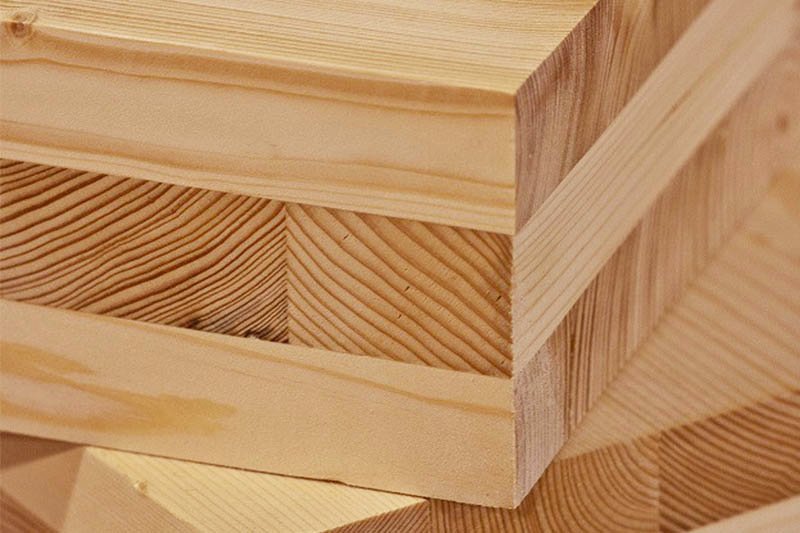
Among the most widely recognized plant-derived building products, bamboo and cork stand out for their versatility and rapid renewability. Bamboo, a grass that matures in just a few years, is used for everything from structural beams to elegant flooring. Its strength-to-weight ratio rivals that of steel, making it a favorite for both residential and commercial projects. Cork, harvested from the bark of cork oak trees without harming the plant, offers excellent acoustic and thermal insulation properties.
Other notable options include straw bale, which provides natural insulation and is often used in wall systems, and agricultural waste composites, where fibers from wheat, rice, or coconut husks are pressed into panels or boards. These materials are not only renewable but often biodegradable, reducing long-term environmental impact.
Hempcrete and Bio-Insulation: Rethinking Walls and Thermal Performance
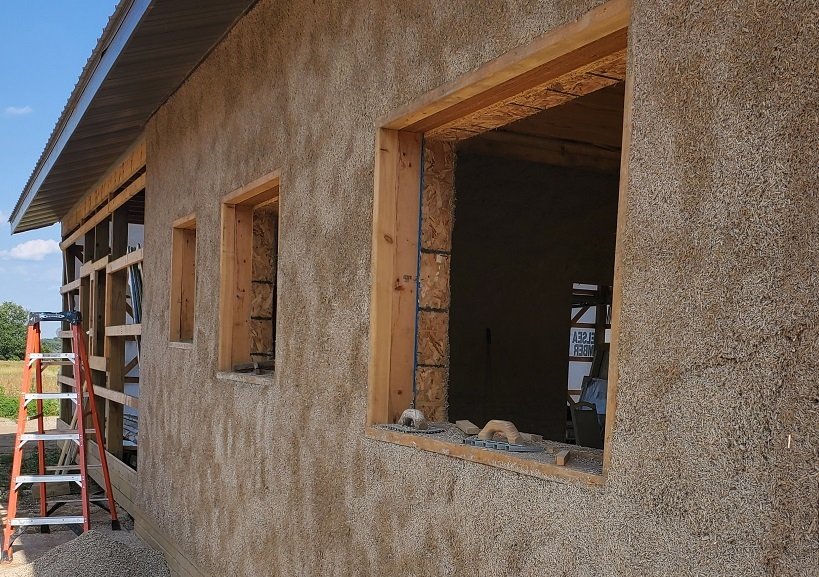
One of the most exciting innovations in plant based building materials is hempcrete, a lightweight composite made from the woody core of the hemp plant mixed with a lime-based binder. Hempcrete is prized for its breathability, mold resistance, and ability to regulate indoor humidity. It also sequesters carbon dioxide during the hemp growth phase, contributing to a building’s overall carbon negativity.
Bio-based insulation materials are also gaining traction. Options like cotton (often recycled from denim), sheep’s wool, and cellulose (from recycled paper) provide effective thermal and acoustic insulation while being safer to handle and install than traditional fiberglass. These natural insulators are renewable, low in embodied energy, and can help improve indoor air quality by avoiding off-gassing of volatile organic compounds (VOCs).
Advantages of Using Renewable Plant Materials in Construction
Choosing plant based building materials brings a range of benefits for both the environment and building occupants. Some of the key advantages include:
- Reduced carbon footprint: Many plant-derived products absorb carbon dioxide as they grow, offsetting emissions from manufacturing and transportation.
- Renewability: Crops like bamboo, hemp, and cork regenerate quickly, ensuring a steady supply without depleting natural resources.
- Healthier indoor environments: Natural materials often emit fewer harmful chemicals, supporting better indoor air quality.
- Biodegradability: At the end of their life cycle, many plant-based products can decompose naturally, minimizing landfill waste.
- Thermal and acoustic performance: Materials like cork, straw bale, and cellulose provide excellent insulation and sound absorption.
For a broader perspective on eco-friendly construction, the article on zero waste construction materials explores how building design can further minimize waste and promote circularity.
Innovative Applications and Case Studies
Architects and builders around the world are embracing plant-based solutions for a variety of applications. In residential construction, bamboo flooring and cabinetry are popular for their durability and aesthetic appeal. Commercial projects are utilizing hempcrete blocks for walls, achieving both energy efficiency and a unique visual texture.
In addition to structural uses, plant-derived materials are being incorporated into acoustic panels, ceiling tiles, and even exterior cladding. For example, compressed straw panels have been used successfully in schools and offices to create healthy, quiet environments. These innovations demonstrate that natural materials can meet modern performance standards while reducing environmental impact.
Challenges and Considerations in Natural Material Adoption
While the benefits are significant, there are also challenges to wider adoption of plant based building materials. Some products may have higher upfront costs compared to conventional alternatives, though these are often offset by long-term energy savings and durability. Regional availability can also be a factor, as certain crops or fibers may not be locally sourced in all areas.
Building codes and standards are evolving to accommodate new materials, but regulatory hurdles can slow down innovation. Education and awareness among architects, builders, and homeowners are crucial for driving demand and ensuring proper installation and maintenance.
For those interested in the broader context of sustainable construction, resources such as the advantages of eco-friendly construction materials provide valuable background on the environmental and health benefits of green building practices.
Future Directions: Circularity and Bio-Based Innovation
The future of sustainable construction lies in integrating plant-based solutions with circular design principles. By designing buildings for disassembly and reuse, and prioritizing materials that can be composted or recycled at end-of-life, the industry can move closer to a truly regenerative model. Innovations in bio-composites, such as combining plant fibers with recycled plastics or mycelium, are expanding the possibilities for high-performance, low-impact building products.
For more on how circularity is shaping the industry, the article on circular economy construction materials delves into strategies for reducing waste and maximizing resource efficiency.
FAQ: Common Questions About Plant-Based Construction Materials
What are the main environmental benefits of using plant-derived building products?
These materials are renewable, often biodegradable, and can absorb carbon dioxide during their growth. They typically require less energy to produce than traditional materials and can help improve indoor air quality by reducing chemical emissions.
Are plant-based materials as durable as conventional options?
Many plant-based products, such as bamboo and hempcrete, offer excellent durability and performance. When properly sourced and installed, they can match or exceed the lifespan of traditional building materials. Maintenance requirements may vary depending on the specific product and application.
Can these materials be used in all climates?
Most plant-derived building products are suitable for a wide range of climates, but it’s important to consider local conditions and building codes. Some materials, like straw bale or certain types of insulation, may require additional protection from moisture or pests in humid regions.
How do plant-based options compare in cost to traditional materials?
Initial costs can sometimes be higher, especially for innovative or less commonly used products. However, long-term savings from improved energy efficiency, durability, and potential health benefits often outweigh the upfront investment.
Where can I learn more about sustainable and circular building practices?
Explore related topics such as recycled plastic building materials and plastic lumber construction uses to discover additional strategies for eco-friendly construction and design.