As the construction industry seeks sustainable alternatives to conventional materials, mycelium building materials uses are rapidly gaining attention. Mycelium—the root-like structure of fungi—offers a renewable, biodegradable, and versatile solution for a range of architectural and design applications. From insulation panels to furniture, mycelium-based products are reshaping how we think about eco-friendly construction and design.
This article explores the practical roles mycelium can play in modern building, its environmental benefits, and how it compares to other green materials. If you’re interested in innovative, circular solutions for your next project, understanding the potential of mycelium is essential. For those looking to expand their knowledge of sustainable construction, our guide on eco friendly composite materials provides further insights into high-tech, earth-friendly options.
What Is Mycelium and Why Is It a Game Changer?
Mycelium is the vegetative part of a fungus, consisting of a network of thread-like cells called hyphae. When grown on agricultural waste or sawdust, mycelium binds the substrate together, forming a lightweight, solid material. This process is not only energy-efficient but also results in a product that is compostable at the end of its life cycle.
Unlike traditional building materials, mycelium-based products are grown rather than manufactured, which significantly reduces carbon emissions and resource consumption. The adaptability of mycelium allows it to be molded into various shapes and densities, making it suitable for a wide range of construction and design uses.
Key Mycelium Building Materials Uses in Modern Construction
As research and innovation continue, the list of practical applications for mycelium in construction grows. Here are some of the most promising ways this material is being used:
- Insulation Panels: Mycelium’s natural structure provides excellent thermal and acoustic insulation, making it a strong alternative to synthetic options.
- Biodegradable Bricks: Mycelium bricks are lightweight, fire-resistant, and can be used for non-load-bearing walls or decorative facades.
- Acoustic Tiles: The porous nature of mycelium makes it ideal for sound-absorbing panels in offices, studios, and public spaces.
- Furniture and Interior Design: Designers are crafting lampshades, tables, and wall panels from mycelium composites, blending sustainability with aesthetics.
- Packaging Materials: Beyond construction, mycelium is being used to create compostable packaging, reducing reliance on plastics.

How Mycelium Compares to Other Sustainable Materials
When evaluating mycelium building materials uses, it’s important to compare them with other green alternatives. Materials like bamboo, recycled plastic, and composite panels each have unique strengths. Mycelium stands out for its low embodied energy, rapid renewability, and complete biodegradability.
For example, while recycled plastic building materials help divert waste from landfills, they may not decompose naturally. Bamboo is fast-growing and strong, but requires significant processing. Mycelium, on the other hand, can be grown locally on waste products and returned safely to the earth after use, supporting a true circular economy.
For a deeper dive into circular construction principles, see our article on circular economy construction materials.
Environmental Benefits of Mycelium-Based Products
One of the strongest arguments for adopting mycelium in construction is its positive environmental impact. Here are some of the key benefits:
- Carbon Sequestration: Mycelium captures carbon during its growth, helping offset emissions.
- Waste Reduction: It utilizes agricultural byproducts, turning waste into valuable resources.
- Compostability: At the end of its life, mycelium products can be composted, leaving no toxic residue.
- Non-Toxic: Unlike some synthetic insulation or composites, mycelium does not off-gas harmful chemicals.
These attributes make mycelium a compelling choice for those aiming to minimize the ecological footprint of their projects. For more on minimizing waste in construction, explore our guide to zero waste construction materials.
Challenges and Considerations for Mycelium in Construction
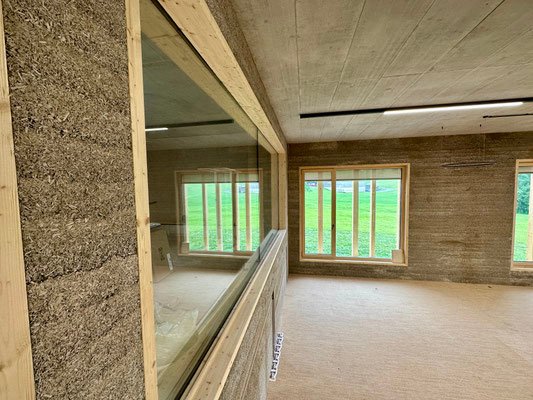
While the promise of mycelium is significant, there are challenges to widespread adoption. Mycelium-based products are still relatively new to the market, and building codes may not yet recognize them for structural applications. Most current uses are for insulation, interior finishes, or non-load-bearing elements.
Durability and moisture resistance are also important factors. Mycelium composites can be treated to improve water resistance, but they are generally best suited for dry, interior environments unless additional protection is applied. Continued research and development are addressing these hurdles, and as the technology matures, broader applications are likely to emerge.
Integrating Mycelium into Sustainable Design Strategies
For architects, builders, and designers committed to sustainability, integrating mycelium-based materials can help achieve green building certifications and reduce environmental impact. Mycelium fits well within holistic approaches that prioritize renewable resources, waste minimization, and healthy indoor environments.
Combining mycelium with other innovative materials—such as plastic lumber for outdoor projects or composite panels—can create hybrid solutions tailored to specific needs. For a comprehensive overview of sustainable options, the sustainable building materials guide from Union Developers offers valuable context and comparisons.
Future Outlook: Scaling Up Mycelium’s Role in Construction
As the demand for eco-friendly building solutions grows, so does investment in mycelium research and manufacturing. Startups and established companies are developing scalable processes to produce mycelium panels, bricks, and insulation at commercial volumes. With improvements in performance and regulatory acceptance, mycelium is poised to become a mainstream material for green construction.
Adopting mycelium-based products today not only supports innovation but also contributes to a more sustainable built environment. As more projects showcase the versatility and benefits of this material, its acceptance and use will continue to expand.
Frequently Asked Questions
Is mycelium safe for indoor use?
Yes, mycelium-based materials are non-toxic and do not emit harmful chemicals. They are safe for indoor environments and can even improve air quality by avoiding the off-gassing associated with some synthetic products.
How durable are mycelium building materials?
Mycelium composites are strong enough for insulation, acoustic panels, and non-structural elements. While not suitable for load-bearing walls without reinforcement, they offer good durability for interior applications. Treatments can enhance their resistance to moisture and pests.
Can mycelium materials be recycled or composted?
One of the main advantages of mycelium is its compostability. At the end of its useful life, mycelium products can be broken down in composting facilities, returning nutrients to the soil without leaving toxic residues.