Eco friendly composite materials are transforming the way architects, builders, and homeowners approach sustainable design. These innovative materials blend renewable or recycled resources with advanced manufacturing techniques, resulting in products that are not only durable and versatile but also significantly reduce environmental impact. As the demand for greener construction grows, understanding the benefits, applications, and future of these composites is essential for anyone interested in sustainable building.
From decking and cladding to insulation and structural components, these advanced materials are reshaping the built environment. They offer a practical path to lower carbon footprints, improved energy efficiency, and healthier indoor spaces. For those seeking to deepen their knowledge of sustainable construction, exploring related topics like carbon neutral building materials can provide further insight into achieving net zero goals.
What Are Eco-Conscious Composite Materials?
Composite materials are engineered by combining two or more distinct substances to create a product with enhanced properties. When these composites are designed with sustainability in mind, they typically use renewable fibers, recycled plastics, or bio-based resins. The result is a material that offers the strength and versatility of traditional composites, but with a much smaller environmental footprint.
Common examples include bamboo-plastic decking, recycled glass countertops, and natural fiber-reinforced panels. By leveraging waste streams and renewable resources, these products help reduce reliance on virgin materials and lower greenhouse gas emissions throughout their lifecycle.
Key Benefits of Sustainable Composite Solutions
Choosing eco friendly composite materials for construction and design projects brings a range of advantages:
- Resource Efficiency: Many composites use recycled or rapidly renewable raw materials, reducing pressure on forests and fossil resources.
- Durability: Advanced composites are engineered for long life, resisting rot, pests, and weathering better than many traditional materials.
- Low Maintenance: These materials often require less upkeep, saving time and reducing the need for harsh cleaning chemicals.
- Improved Indoor Air Quality: Many eco composites are low in volatile organic compounds (VOCs), supporting healthier living spaces.
- Design Flexibility: Composites can be molded, colored, and textured to suit a wide range of architectural styles and applications.
By integrating these solutions, designers and builders can create structures that are both high-performing and environmentally responsible.
Popular Types of Green Composite Materials
The market for sustainable composites is rapidly expanding, with new innovations emerging each year. Some of the most widely used options include:
- Bamboo Composites: Bamboo fibers are combined with recycled plastics or resins to form decking, flooring, and paneling products that are strong, lightweight, and rapidly renewable.
- Recycled Plastic Lumber: Made from post-consumer plastics, this material is commonly used for outdoor furniture, fencing, and playgrounds. It diverts waste from landfills and offers excellent weather resistance.
- Natural Fiber Reinforced Polymers: Flax, hemp, jute, and kenaf fibers are used to reinforce bio-based or recycled plastic matrices, resulting in lightweight panels and boards for interior and exterior use.
- Wood-Plastic Composites (WPC): These blend wood fibers with recycled plastics, offering a sustainable alternative to pressure-treated lumber for decking and cladding.
- Bio-Based Resins: Plant-derived resins, such as those made from soy or corn, are increasingly replacing petroleum-based binders in composite manufacturing.
Applications in Modern Architecture and Construction
Eco-minded composites are now found in a wide variety of building applications. Their adaptability makes them suitable for both structural and decorative uses:
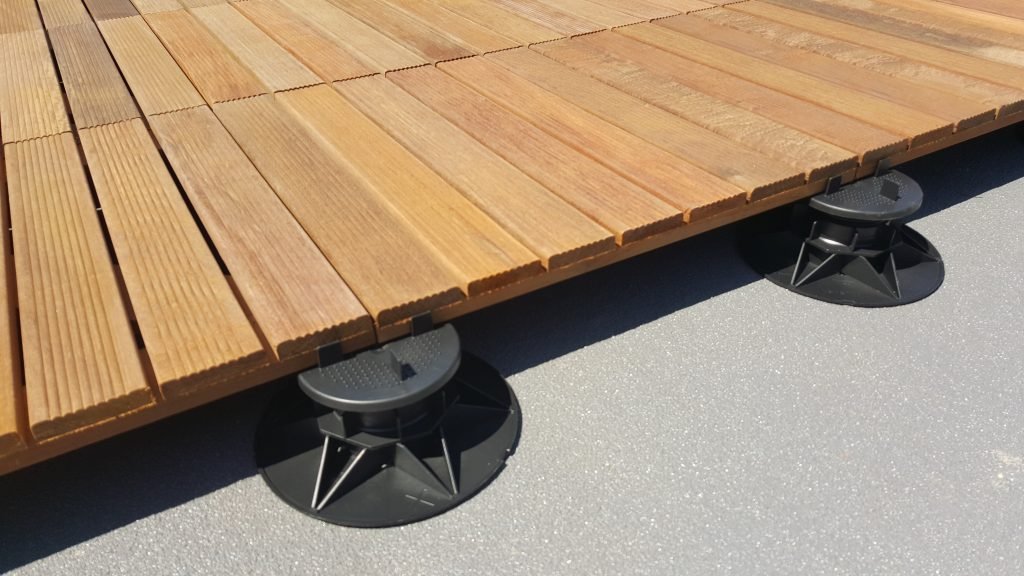
- Decking and Cladding: Products made from recycled plastics and wood fibers offer weather-resistant alternatives to tropical hardwoods.
- Flooring: Bamboo and cork composites provide renewable, attractive flooring options that are easy to install and maintain.
- Insulation: Natural fiber panels and recycled glass composites deliver excellent thermal and acoustic performance while minimizing environmental impact.
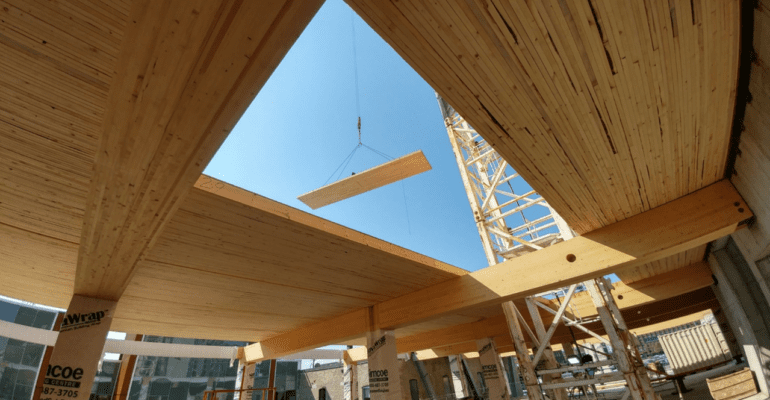
- Structural Elements: Mass timber and cross-laminated timber (CLT) panels, reinforced with bio-based resins, are increasingly used in mid-rise and high-rise construction.
- Interior Finishes: Recycled glass countertops, composite wall panels, and eco-friendly cabinetry are popular in both residential and commercial spaces.
For those interested in further reducing the environmental impact of their projects, exploring low impact construction materials can provide additional strategies for sustainable design.

Challenges and Considerations for Sustainable Composites
While the benefits of eco friendly composite materials are substantial, there are important factors to consider:
- End-of-Life Management: Some composites can be difficult to recycle due to the combination of materials. Manufacturers are working on solutions, but disposal remains a challenge for certain products.
- Performance Variability: Not all eco composites offer the same strength or durability as their conventional counterparts. Product selection should be based on intended use and verified performance data.
- Cost: Initial costs may be higher for some sustainable composites, though long-term savings from durability and low maintenance can offset this.
- Certification and Transparency: Look for third-party certifications (such as FSC, Cradle to Cradle, or Declare) to ensure products meet environmental and health standards.
For more on healthy and sustainable wall finishes, see the guide to natural plaster materials for breathable and beautiful interiors.
Future Trends in Green Composite Technology
Innovation in sustainable composites is accelerating, driven by advances in material science and growing market demand. Key trends include:
- Bio-Based Innovations: New resins and fibers derived from algae, agricultural waste, and other renewable sources are expanding the possibilities for high-performance, low-impact composites.
- Circular Design: Manufacturers are developing composites that can be more easily disassembled and recycled at the end of their useful life.
- Smart Materials: Integration of sensors and phase-change materials is enabling composites that can respond to environmental conditions, improving building performance.
- Mass Timber and Hybrid Systems: Engineered wood products, often combined with recycled or bio-based binders, are being used in ever-larger and more complex structures.
For a look at what’s coming next in the industry, explore sustainable building materials for 2025 and beyond.
How to Choose the Right Eco Composite for Your Project
Selecting the best sustainable composite depends on several factors:
- Application: Consider whether the material will be used for structural, exterior, or interior purposes.
- Environmental Impact: Assess the recycled content, renewability of raw materials, and manufacturing footprint.
- Performance: Evaluate durability, weather resistance, and maintenance requirements.
- Certifications: Look for third-party labels that verify environmental and health claims.
- End-of-Life: Prefer materials that can be recycled or safely disposed of at the end of their service life.
For those interested in natural and low-impact finishes, guides on clay plaster eco friendly uses and lime plaster benefits in construction offer practical advice for interior design projects.
FAQ: Eco-Conscious Composite Materials
What makes a composite material environmentally friendly?
A composite is considered eco-friendly when it uses renewable or recycled resources, minimizes toxic emissions during production, and is designed for durability and recyclability. These materials help reduce waste, conserve resources, and support healthier indoor and outdoor environments.
Are sustainable composites as durable as traditional materials?
Many modern green composites are engineered to match or exceed the performance of conventional products. For example, bamboo-plastic decking and recycled plastic lumber are highly resistant to moisture, pests, and UV exposure. However, it’s important to review product specifications and certifications to ensure suitability for your project.
Can eco composites be recycled at the end of their life?
Some can, depending on their composition. Products made from a single type of recycled plastic are generally easier to recycle than those combining multiple materials. Manufacturers are increasingly designing for circularity, but it’s wise to check end-of-life options before selecting a product.
Where can I find more information on sustainable building materials?
There are many resources available online, including guides on low impact construction materials and carbon neutral building materials. Industry organizations and certification bodies also publish product directories and case studies.