As the construction industry faces increasing pressure to reduce its environmental impact, the use of carbon neutral building materials has become central to achieving net zero targets. These innovative products are designed to minimize or offset the carbon emissions associated with their production, installation, and lifecycle. By choosing such materials, architects, builders, and homeowners can significantly lower the carbon footprint of new and renovated structures, paving the way for a more sustainable built environment.
Understanding which materials truly contribute to carbon neutrality—and how to integrate them effectively—can be complex. This article explores the principles behind low-carbon construction, highlights leading material options, and provides practical guidance for anyone seeking to build or renovate with sustainability in mind. For those interested in related innovations, exploring green wall construction systems can further enhance the eco-performance of your project.
What Makes a Building Material Carbon Neutral?
To be considered carbon neutral, a building material must either emit no net greenhouse gases during its lifecycle or offset its emissions through sequestration or renewable energy. This includes the extraction of raw materials, manufacturing, transportation, installation, use, and eventual disposal or recycling. Materials that absorb and store carbon—such as timber or hemp—can even provide a net positive effect by locking away atmospheric carbon for decades.
Key criteria for evaluating carbon neutrality in construction products include:
- Low embodied carbon: Minimal emissions during production and transport.
- Renewable sourcing: Harvested or produced from rapidly renewable resources.
- Recyclability: Ability to be reused or recycled at end-of-life.
- Carbon sequestration: Capacity to absorb and store carbon over time.
- Third-party certification: Verified by credible environmental standards or life cycle assessments.
Leading Carbon Neutral Building Materials for Sustainable Construction
Several building materials have emerged as frontrunners in the quest for net zero construction. Here are some of the most impactful options:
Bamboo: Fast-Growing and Renewable
Bamboo is a rapidly renewable resource that matures in just a few years and sequesters significant amounts of carbon as it grows. Its strength and versatility make it suitable for flooring, structural elements, and even wall panels. Bamboo production typically requires less energy and fewer chemicals than traditional hardwoods, further reducing its environmental impact.
Hempcrete and Hemp Insulation
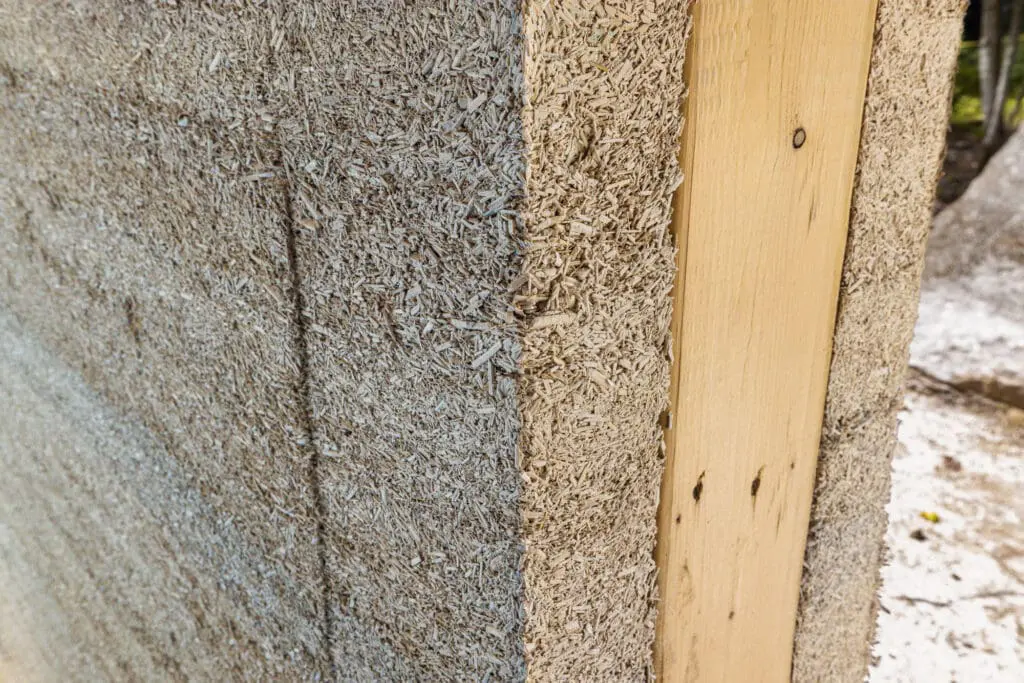
Hemp-based materials, such as hempcrete and hemp insulation, are gaining popularity for their carbon-storing properties. Hemp plants absorb large quantities of CO2 during growth, and the resulting products continue to lock away carbon throughout their use. Hempcrete, a mixture of hemp hurds and lime, offers excellent thermal performance and is fully biodegradable at end-of-life.
Recycled Steel and Aluminum
Metals like steel and aluminum are energy-intensive to produce, but when sourced from recycled content, their embodied carbon drops dramatically. Using recycled metals in framing, roofing, or cladding not only diverts waste from landfills but also supports a circular economy. Many manufacturers now offer Environmental Product Declarations (EPDs) to verify the carbon footprint of their products.
Low-Carbon Concrete Alternatives
Concrete is one of the largest contributors to global CO2 emissions due to cement production. However, new formulations—such as those incorporating fly ash, slag, or carbon capture technology—can reduce emissions by up to 80%. For example, using fly ash bricks instead of traditional clay bricks can significantly cut the carbon impact of masonry work.
Natural Fiber Insulation
Insulation made from sheep’s wool, cellulose, or recycled denim offers excellent thermal performance with minimal environmental impact. These materials are often biodegradable, non-toxic, and produced using renewable energy. Natural fiber insulation can also help regulate indoor humidity, improving occupant comfort and health.
Integrating Carbon Neutral Materials Into Your Project
Successfully incorporating low-carbon materials into a building project requires a holistic approach. Here are some practical steps:
- Conduct a life cycle assessment: Evaluate the total carbon footprint of all materials under consideration.
- Source locally: Choose materials produced close to the construction site to minimize transportation emissions.
- Prioritize certified products: Look for third-party certifications such as FSC (for wood), Cradle to Cradle, or EPDs.
- Combine with passive design: Use energy-efficient layouts and natural ventilation to reduce operational carbon.
- Plan for end-of-life: Select materials that can be easily recycled or composted when the building is eventually deconstructed.
For wall assemblies, consider options like eco friendly wall materials or compressed earth blocks construction to further reduce embodied emissions.
Benefits of Choosing Low-Carbon Construction Materials
Opting for carbon neutral building materials delivers a range of benefits beyond emissions reduction:
- Healthier indoor environments: Many eco-friendly materials are free from harmful chemicals and improve air quality.
- Long-term cost savings: Energy-efficient materials can lower heating and cooling bills over the building’s lifespan.
- Regulatory compliance: Many regions now require lower embodied carbon in new construction, making early adoption advantageous.
- Market value: Sustainable buildings often command higher resale values and attract eco-conscious buyers or tenants.
- Resilience: Natural and recycled materials can offer superior durability and adaptability to climate change.
For those interested in innovative masonry solutions, learning about interlocking bricks advantages can further support sustainable building goals.
Challenges and Considerations
While the advantages are clear, there are some challenges to widespread adoption of carbon neutral options:
- Availability: Not all regions have easy access to advanced sustainable materials.
- Cost: Upfront prices may be higher, though lifecycle savings often offset initial investments.
- Performance: Some eco-materials may require different installation techniques or maintenance routines.
- Verification: It’s important to rely on transparent, third-party data to confirm a product’s true carbon impact.
Ongoing research, such as studies published in peer-reviewed journals on sustainable construction, continues to improve the performance and accessibility of these materials.
Frequently Asked Questions
What are the most effective carbon neutral building materials available today?
Some of the most effective options include bamboo, hempcrete, recycled steel, low-carbon concrete, and natural fiber insulation. These materials combine low embodied carbon with renewable sourcing or carbon sequestration capabilities.
How do I verify if a material is truly carbon neutral?
Look for third-party certifications such as Environmental Product Declarations (EPDs), Cradle to Cradle, or FSC for wood products. Manufacturers should provide transparent data on the material’s lifecycle emissions and any offsetting measures.
Can carbon neutral materials be used in all types of buildings?
Yes, most sustainable materials can be adapted for residential, commercial, and industrial projects. However, it’s important to consider local availability, building codes, and the specific performance requirements of your project.