
Integrating nature into our built environments is more than a trend—it’s a forward-thinking approach to sustainability, wellness, and design. Green wall construction systems are at the forefront of this movement, offering a practical way to bring living plants into commercial and residential spaces. These systems not only enhance aesthetics but also contribute to improved air quality, energy efficiency, and occupant well-being.
Whether you’re a developer, architect, or homeowner, understanding the options and benefits of vertical gardens can help you make informed choices for your next project. In this guide, we’ll explore the fundamentals of these systems, their environmental impact, and how to select the right solution for your needs.
For those interested in eco-friendly building materials beyond living walls, you might also want to explore eco friendly bricks types for innovative and sustainable wall options.
What Are Green Wall Construction Systems?
Also known as living walls or vertical gardens, these systems are engineered structures that support plant growth on building facades or interior walls. They typically consist of a framework, growing medium, irrigation, and a diverse selection of plants. The result is a lush, vertical landscape that can be customized for both aesthetic and functional goals.
There are two main categories:
- Panel or Modular Systems: Pre-planted panels or trays are installed onto a support structure. These are ideal for quick installation and uniform plant coverage.
- Hydroponic or Felt Systems: Plants grow in a soil-less medium, often using synthetic felt or fabric, with nutrients delivered via integrated irrigation. These allow for creative plant arrangements and are common in commercial applications.
Each system type has its own set of advantages, from ease of maintenance to flexibility in design. Choosing the right one depends on your project’s scale, location, and desired plant palette.
Benefits of Vertical Greenery for Buildings
Incorporating living walls into your construction project offers a range of benefits that go beyond visual appeal. Here are some of the most significant advantages:
- Improved Air Quality: Plants act as natural air filters, removing pollutants and increasing oxygen levels indoors and outdoors.
- Thermal Regulation: Green facades provide insulation, reducing heat gain in summer and heat loss in winter, which can lower energy costs.
- Noise Reduction: Dense plantings absorb and deflect sound, making spaces quieter and more comfortable.
- Biodiversity Enhancement: Vertical gardens create habitats for pollinators and urban wildlife.
- Psychological Well-being: Access to greenery has been shown to reduce stress and improve mood among building occupants.
For those seeking to further reduce their environmental impact, consider exploring sustainable brick manufacturing for additional eco-conscious building options.
Types of Living Wall Systems for Modern Construction
There are several approaches to integrating vertical gardens into new or existing buildings. The choice depends on your project’s requirements, budget, and desired long-term maintenance level.
Modular Panel Systems
These are pre-grown panels or trays filled with plants and growing medium. They are mounted onto a supporting framework attached to the building. Modular systems are popular for their ease of installation and ability to create instant green coverage. They also allow for easy replacement of individual panels if needed.
Hydroponic Vertical Gardens
Hydroponic systems use a soil-free medium, such as felt or synthetic fabric, where plant roots are supplied with water and nutrients through automated irrigation. These systems are lightweight and can be installed on both interior and exterior surfaces. They offer flexibility in plant selection and arrangement, making them suitable for creative and large-scale designs.
Freestanding and Double-Sided Walls
For open spaces or as room dividers, freestanding green walls provide greenery on both sides. These are often used in lobbies, atriums, or outdoor courtyards to create living partitions that enhance privacy and ambiance.
For additional sustainable flooring ideas to complement your living wall, see our guide on recycled tile flooring options for eco-conscious interiors.
Key Components of a Successful Green Wall Installation
To ensure the longevity and performance of your vertical garden, attention must be paid to the following elements:
- Structural Support: The framework must be strong enough to bear the weight of plants, growing medium, and water. Proper anchoring to the building is essential.
- Growing Medium: Options include soil, coco coir, rockwool, or hydroponic felt. The medium should provide adequate support, moisture retention, and aeration for plant roots.
- Irrigation System: Automated drip or mist systems are commonly used to deliver water and nutrients efficiently. Proper drainage is also crucial to prevent waterlogging and root rot.
- Plant Selection: Choose species suited to the local climate, light conditions, and maintenance capabilities. Native and drought-tolerant plants are often preferred for sustainability.
- Maintenance Access: Design the system for easy access to plants and irrigation components for routine care and troubleshooting.
For more on natural materials in construction, explore natural stone construction uses for timeless and low-impact design solutions.
Choosing Sustainable Materials for Vertical Gardens
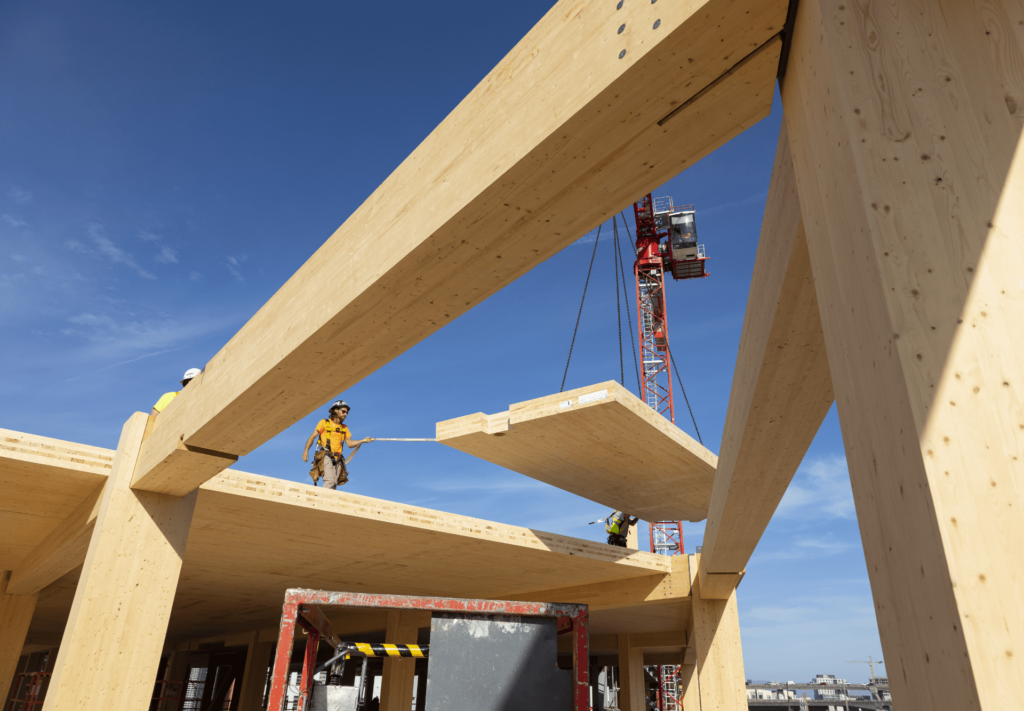
Material selection plays a vital role in the sustainability and durability of your living wall. Opt for recycled or rapidly renewable materials for the framework and growing medium. Some popular choices include:
- Recycled plastics for modular trays
- Bamboo or FSC-certified wood for structural elements
- Natural fibers like coconut coir for growing medium
For a deeper dive into eco-conscious material choices, see this overview of sustainable building materials for 2025 and beyond.
Pairing your vertical garden with other green building features, such as linoleum flooring eco friendly options, can further enhance the overall sustainability of your project.
Maintenance and Longevity of Living Wall Systems
Proper care is essential for keeping your vertical garden healthy and vibrant. Here are some key maintenance considerations:
- Regularly inspect irrigation systems for clogs or leaks.
- Monitor plant health and replace any that fail to thrive.
- Prune and fertilize as needed to encourage lush growth.
- Check structural components for signs of wear or corrosion.
Many modern systems are designed for low maintenance, with automated watering and easy access for plant care. Choosing the right species and materials will also reduce the need for frequent intervention.
FAQ
How do green wall construction systems improve indoor air quality?
Living walls filter airborne pollutants and increase oxygen levels by harnessing the natural processes of plants. This can lead to a healthier indoor environment, especially in urban areas with limited access to outdoor greenery.
Are vertical gardens suitable for all climates?
Most systems can be adapted to various climates by selecting appropriate plant species and adjusting irrigation methods. In extreme climates, indoor installations or the use of hardy native plants can ensure long-term success.
What is the typical lifespan of a green wall system?
With proper maintenance and quality materials, these systems can last 10 years or more. The longevity depends on factors such as structural integrity, irrigation efficiency, and regular plant care.
Can living walls be retrofitted onto existing buildings?
Yes, many modular and hydroponic systems are designed for retrofitting. Structural assessments are necessary to ensure the building can support the additional weight and irrigation requirements.
Embracing green wall construction systems is a practical step toward sustainable, healthy, and visually striking spaces. By choosing the right system, materials, and maintenance plan, you can create a living feature that benefits both people and the planet.