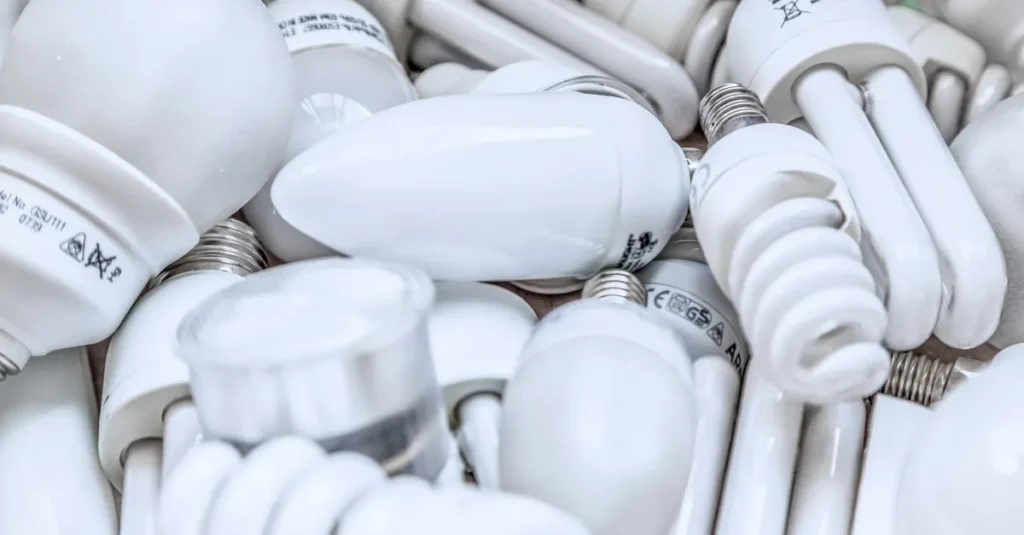
When it comes to keeping your home energy-efficient, insulation plays a crucial role. It not only helps maintain a comfortable indoor temperature but also significantly reduces energy costs by minimizing heat transfer. However, choosing the right insulation can be challenging due to the variety of types and specifications available. This guide will help you navigate through the best options for energy-efficient insulation, focusing on R-values, installation considerations, and suitability for different climates.
Insulation Reviews
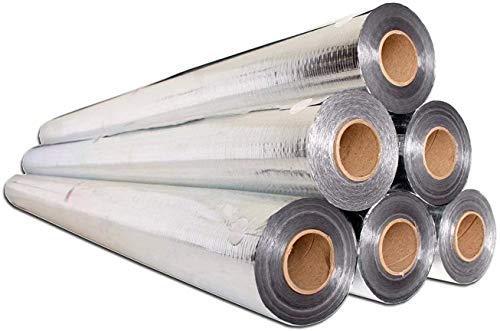
1 AES Radiant Barrier Insulation
Best For: Reflective Insulation
This insulation is perfect for those looking to reduce cooling costs with a highly reflective material that’s easy to install.
Why We Like It
The AES Radiant Barrier Insulation is known for its ability to significantly reduce cooling costs by reflecting radiant heat. Its lightweight and durable design makes it easy to handle and install, even for those new to DIY projects. This product is particularly beneficial in warmer climates where reducing heat gain is crucial. However, it might not provide enough insulation in colder regions where heat retention is more important.
- 1,000 square feet per roll
- 99.7% reflective value
- ASTM compliant
2 RYB HOME Blackout Curtains
Best For: Small Windows
These curtains are ideal for small windows, providing excellent light blocking and thermal insulation for energy efficiency.

Why We Like It
The RYB HOME Blackout Curtains are a great choice for those needing effective light and thermal control in small spaces. Their triple-weave fabric blocks up to 99% of light, making them perfect for bedrooms or RVs where privacy and darkness are essential. They also provide excellent thermal insulation, helping to maintain a comfortable indoor climate. However, they are specifically designed for smaller windows, which may limit their use in larger rooms.
- 42″ x 45″ dimensions
- Triple-weave fabric
- Machine washable
3 Sun Zero Cooper Curtain Panel
Best For: Noise Reduction
Perfect for those who need a quieter environment, these curtains offer excellent noise reduction along with energy efficiency.

Why We Like It
The Sun Zero Cooper Curtain Panel is a standout for its noise-reducing capabilities, making it ideal for bedrooms or home offices where quiet is essential. Its thermal insulation also helps in maintaining room temperature, contributing to energy savings. The grommet top design allows for easy installation on standard curtain rods. However, the limited color options might not suit all decor styles.
- 40″ x 84″ dimensions
- Thermal insulation
- Noise reduction
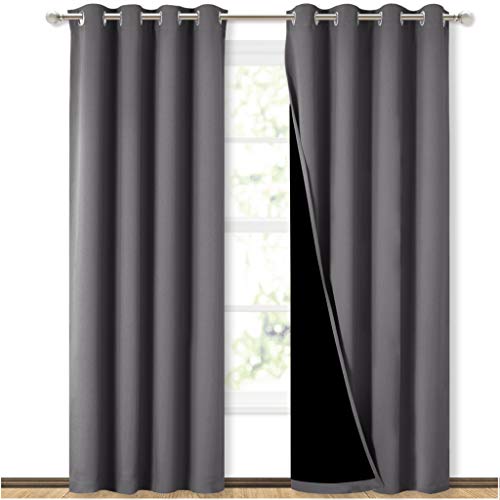
4 NICETOWN Blackout Drapes
Best For: Full Blackout
These drapes are perfect for those who need complete darkness and noise reduction, enhancing sleep quality and energy efficiency.
Why We Like It
NICETOWN Blackout Drapes are designed for those who need complete darkness and noise reduction, making them ideal for bedrooms and media rooms. Their thermal insulation properties help maintain a stable indoor temperature, contributing to energy savings. The drapes are easy to install with silver grommets, but they do require careful washing to maintain their quality.
- 52″ x 84″ dimensions per panel
- Complete blackout
- Machine washable
5 TWODRAPES Blackout Linen Curtains
Best For: Versatile Hanging
These curtains offer multiple hanging options and complete blackout, perfect for those who want flexibility and energy efficiency.

Why We Like It
TWODRAPES Blackout Linen Curtains are perfect for those who value flexibility in installation. With multiple hanging options, these curtains can adapt to various decor styles while providing complete blackout and thermal insulation. They are ideal for large windows in living rooms or bedrooms. The higher price point reflects their premium quality and versatility.
- 40″ x 102″ dimensions per panel
- Double layer blackout
- Includes hooks and rings
How to Choose the Right Insulation
Understanding R-Values and Their Importance
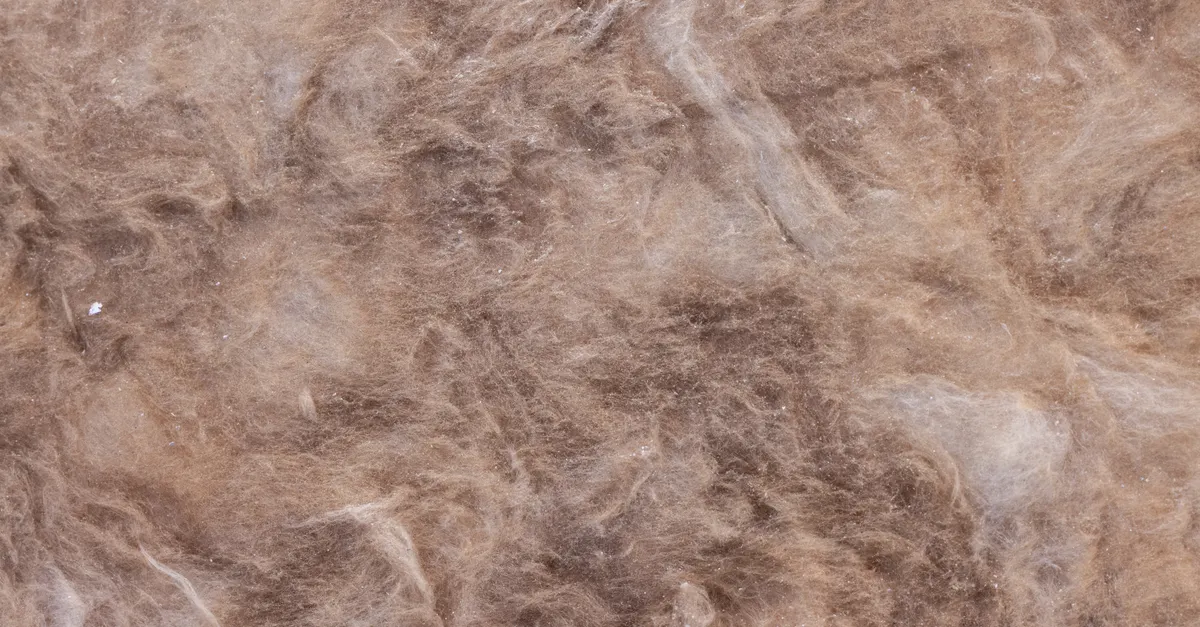
The R-value is a measure of insulation’s ability to resist heat flow. The higher the R-value, the better the insulation’s effectiveness. It’s crucial to choose insulation with an appropriate R-value for your climate and the specific area of your home you are insulating. For example, attics typically require higher R-values compared to walls or floors.
Types of Insulation: A Comparative Overview
There are several types of insulation, each with its own R-value and cost considerations. Common types include fiberglass, spray foam, rigid foam board, cellulose, and mineral wool. Fiberglass is often the most cost-effective, while spray foam offers high R-values and excellent air sealing. Rigid foam boards are ideal for exterior walls, and cellulose is a good eco-friendly option.
Installation Considerations and Skill Levels
Installing insulation can range from simple DIY projects to complex tasks requiring professional help. Fiberglass batts are relatively easy to install, while spray foam and rigid foam boards often require professional installation due to the need for specialized equipment and expertise. Consider your skill level and the complexity of the project before deciding whether to DIY or hire a professional.
Climate-Specific Insulation Recommendations
Your climate plays a significant role in choosing the right insulation. In colder climates, higher R-values are necessary to retain heat, while in warmer areas, reflective insulation can help reduce cooling costs. Always consider the specific climate zone you live in when selecting insulation materials.
Frequently Asked Questions
What are the most energy-efficient types of insulation?
Spray foam and rigid foam boards are among the most energy-efficient due to their high R-values and air-sealing properties.
How do R-values affect insulation performance?
R-values measure the insulation’s resistance to heat flow. Higher R-values indicate better insulating power, which is crucial for maintaining energy efficiency in different parts of your home.
Should I hire a professional for insulation installation?
It depends on the type of insulation and your comfort level with DIY projects. Simple installations like fiberglass batts can be done by most homeowners, but more complex materials like spray foam typically require professional installation.
Choosing the right insulation is essential for maximizing energy efficiency and comfort in your home. By understanding R-values, the types of insulation available, and the specific needs of your climate, you can make informed decisions that will benefit your home and reduce energy costs.