As sustainable construction becomes a priority for homeowners, architects, and builders, the demand for eco friendly bricks types has surged. These innovative building materials offer a way to reduce environmental impact, conserve resources, and create healthier living spaces. Whether you’re planning a new build or renovating an existing structure, understanding the latest green masonry options can help you make informed, responsible choices.
From recycled content to natural fibers, today’s environmentally conscious bricks are designed to minimize carbon emissions, improve energy efficiency, and support the shift toward greener cities. In this guide, we’ll explore the most popular and emerging sustainable brick solutions, their benefits, and how they compare to traditional masonry.
For those interested in sustainable interiors, exploring the cork flooring advantages can complement your green building project by adding comfort and eco-conscious style to your floors.
Why Choose Sustainable Brick Solutions?
Traditional fired clay bricks, while durable, require significant energy to produce and often involve resource-intensive processes. In contrast, environmentally friendly masonry options use renewable, recycled, or low-impact materials. They help reduce greenhouse gas emissions, lower energy bills, and often improve indoor air quality. These materials are also increasingly recognized for their role in green certifications and sustainable building standards.
Key Eco Friendly Bricks Types for Modern Construction
Let’s look at some of the most promising eco friendly bricks types making waves in the construction industry today:
Bamboo Bricks
Bamboo is a rapidly renewable resource, growing much faster than traditional timber. When processed into bricks or blocks, bamboo offers impressive strength, flexibility, and a unique natural aesthetic. These bricks are lightweight, easy to transport, and have a much lower embodied energy compared to fired clay or concrete alternatives. Bamboo masonry is especially popular in regions with abundant bamboo resources and is gaining traction in green building projects worldwide.
Hempcrete Blocks
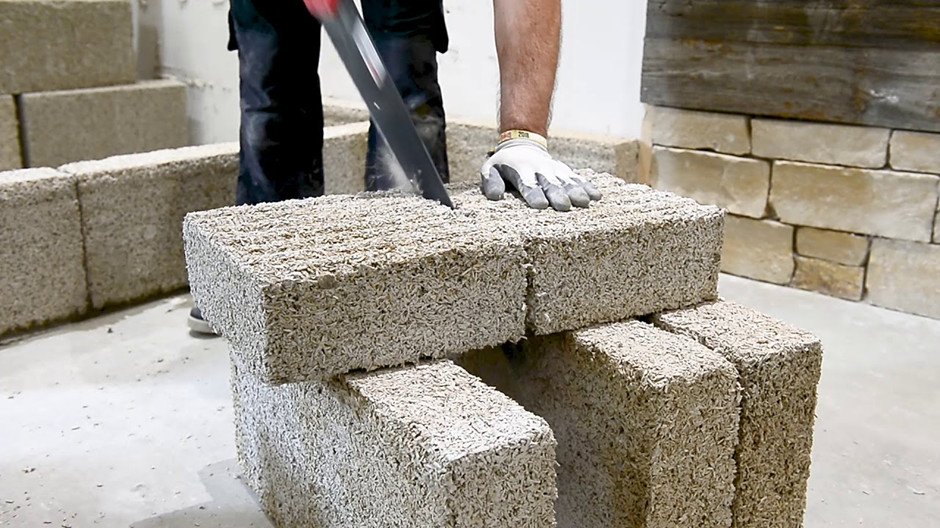
Hempcrete is a bio-composite material made from the woody core of the hemp plant mixed with a lime-based binder. The resulting blocks are lightweight, highly insulating, and naturally resistant to mold and pests. Hempcrete absorbs carbon dioxide as it cures, making it a carbon-negative material. Its breathability helps regulate indoor humidity, contributing to healthier interiors. Hempcrete blocks are increasingly used for walls, insulation, and even flooring in sustainable construction.
Recycled Plastic Bricks
Plastic waste is a major global challenge, but innovative companies are transforming discarded plastics into durable construction bricks. These bricks are lightweight, water-resistant, and can be engineered for strength. By repurposing plastic waste, these products help divert materials from landfills and reduce the need for virgin resources. Recycled plastic bricks are particularly useful in areas prone to flooding or where traditional materials are scarce.
Fly Ash Bricks
Fly ash, a byproduct of coal combustion, can be combined with cement and water to create strong, lightweight bricks. These bricks use industrial waste that would otherwise contribute to environmental pollution. Fly ash bricks have good thermal insulation, are less porous than traditional clay bricks, and require less energy to produce. Their use supports circular economy principles and reduces the carbon footprint of construction projects.
Compressed Earth Blocks (CEBs)
Compressed earth blocks are made by compacting a mixture of soil, sand, and a small amount of cement or lime. These blocks are produced using minimal energy and can often be sourced directly from the building site, reducing transportation emissions. CEBs offer excellent thermal mass, helping to regulate indoor temperatures and lower energy use for heating and cooling. They are a popular choice for eco-conscious builders seeking a natural, locally sourced material.
Comparing Green Masonry Options
| Type | Main Material | Key Benefits | Best Use Cases |
|---|---|---|---|
| Bamboo Bricks | Bamboo fibers | Rapidly renewable, lightweight, strong | Walls, decorative facades |
| Hempcrete Blocks | Hemp shiv & lime | Carbon-negative, insulating, breathable | Walls, insulation |
| Recycled Plastic Bricks | Post-consumer plastics | Water-resistant, diverts waste | Flood-prone areas, affordable housing |
| Fly Ash Bricks | Fly ash & cement | Lightweight, uses industrial waste | General construction |
| Compressed Earth Blocks | Soil, sand, stabilizer | Low embodied energy, thermal mass | Walls, rural buildings |
Benefits of Using Eco-Conscious Bricks
- Lower Carbon Footprint: Many green bricks use less energy in production and incorporate recycled or renewable materials.
- Improved Indoor Air Quality: Natural and breathable materials like hempcrete and earth blocks help regulate humidity and reduce toxins.
- Resource Conservation: Using waste products or fast-growing plants reduces the strain on finite resources.
- Thermal Efficiency: Many sustainable bricks offer excellent insulation, reducing heating and cooling needs.
- Support for Green Certifications: Incorporating these materials can help projects achieve LEED, BREEAM, or other sustainability certifications.
Challenges and Considerations
While the advantages are clear, there are some challenges to consider when selecting eco friendly bricks types for your project:
- Availability: Some innovative materials may not be widely available in all regions.
- Cost: Initial costs can be higher for certain green bricks, though long-term savings may offset this.
- Building Codes: Not all local codes recognize newer materials, so it’s important to check regulations before specifying them.
- Performance: Some eco bricks may have different load-bearing or weather resistance properties compared to traditional options.
For a deeper dive into the science behind sustainable construction materials, see this comprehensive research article on green building innovations.
Integrating Sustainable Bricks with Other Green Materials
Combining eco-conscious bricks with other sustainable building materials can amplify the environmental benefits of your project. For example, pairing green masonry with eco friendly flooring materials or bamboo flooring benefits creates a holistic approach to sustainability. Additionally, using solar reflective roofing materials or cool roof materials explained can further improve energy efficiency and comfort.
Frequently Asked Questions
What makes a brick eco-friendly?
Eco-friendly bricks are made from renewable, recycled, or low-impact materials. They require less energy to produce, emit fewer pollutants, and often offer better insulation or breathability compared to traditional bricks.
Are sustainable bricks as durable as conventional ones?
Many green bricks, such as fly ash and compressed earth blocks, offer comparable strength and durability to standard fired clay bricks. However, it’s important to consider the specific application and consult with suppliers to ensure the chosen material meets structural requirements.
Can eco bricks be used in all climates?
Most sustainable brick types can be adapted for various climates, but some—like hempcrete—perform best in temperate regions due to their breathability and insulation properties. Always check with manufacturers and local building codes for suitability in your area.
Conclusion
Choosing the right eco friendly bricks types is a crucial step toward building greener, more sustainable homes and commercial spaces. With options ranging from bamboo and hempcrete to recycled plastics and fly ash, there’s a solution for nearly every project and climate. By prioritizing these innovative materials, you support a healthier planet and future-proof your investment with durable, energy-efficient construction.