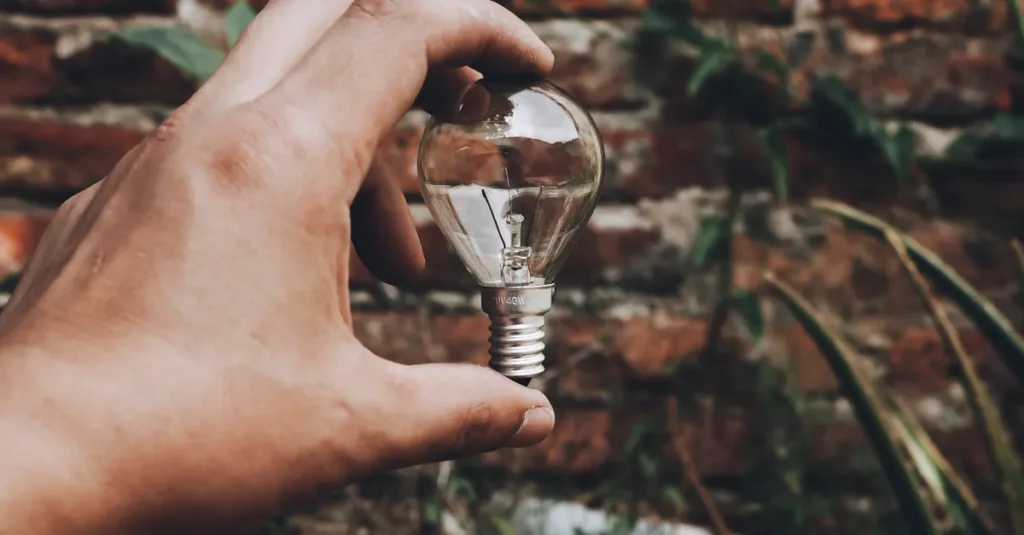
Choosing the right lighting for your outdoor spaces is about more than just aesthetics or safety—it’s a decision that can significantly impact the environment. As more homeowners look for ways to reduce their ecological footprint, sustainable outdoor lighting solutions have become a top priority. These options not only help conserve energy and lower utility bills, but also protect local wildlife and minimize pollution. This guide explores the most effective eco-friendly lighting choices, their environmental benefits, and practical steps for integrating them into your home landscape.
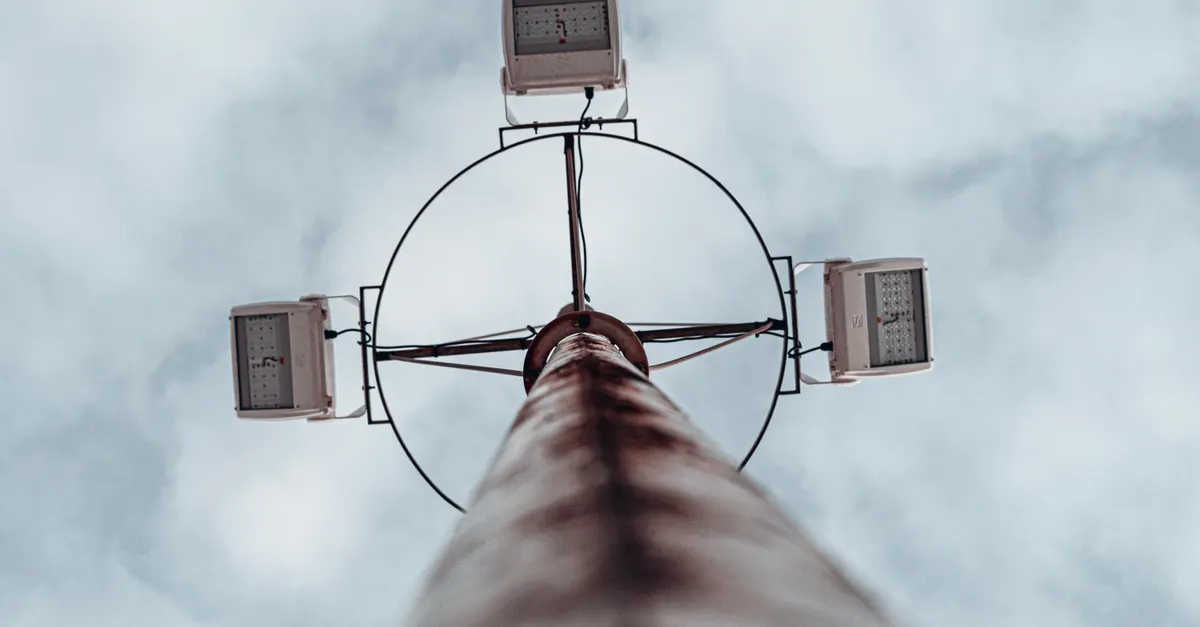
Understanding Eco-Friendly Outdoor Lighting
Sustainable outdoor lighting refers to fixtures and systems designed to minimize environmental impact while providing effective illumination. Unlike traditional lighting, which often relies on energy-intensive bulbs and can contribute to light pollution, eco-friendly alternatives focus on efficiency, responsible design, and the use of renewable resources. For environmentally conscious homeowners, these solutions offer a way to enjoy beautiful, functional outdoor spaces without compromising the health of the planet.
Exploring Types of Sustainable Outdoor Lighting Solutions
There are several categories of sustainable outdoor lighting solutions available today, each offering unique benefits for energy savings and environmental protection. Understanding the differences can help you choose the best fit for your home and landscape.
LED Lighting
LEDs (light-emitting diodes) have become the gold standard for energy-efficient lighting outdoors. They use up to 80% less energy than traditional incandescent bulbs and last significantly longer, reducing both energy consumption and waste. Many manufacturers, such as in-lite, have committed to sustainability by using LEDs and ensuring 100% recycling of their products. LEDs are available in a wide range of colors and intensities, making them suitable for pathways, patios, and accent lighting.
Amber LEDs for Wildlife Protection
Standard white or blue-toned lights can disrupt the natural behaviors of nocturnal animals. According to environmental experts, amber LEDs are recommended for outdoor use because their longer wavelengths are less likely to interfere with wildlife. These lights help maintain the natural light cycles that many species depend on, making them a smart choice for eco-conscious homeowners who want to minimize ecological disruption.
Solar-Powered Fixtures
Solar lighting harnesses renewable energy from the sun, eliminating the need for grid electricity. These fixtures store solar energy during the day and automatically illuminate at night, making them both cost-effective and environmentally friendly. Solar-powered path lights and wall sconces are easy to install and require minimal maintenance, making them ideal for gardens, walkways, and decks.
Dark Sky-Compliant Lighting
Dark sky compliance refers to lighting designed to reduce light pollution by directing illumination downward and minimizing glare. These fixtures help preserve the visibility of the night sky and protect nocturnal wildlife. Look for products labeled as “dark sky compliant” to ensure your outdoor lighting meets these standards.
Motion Sensors and Timers
Integrating motion sensors and timers into your outdoor lighting system further enhances sustainability. These devices ensure that lights are only on when needed, reducing unnecessary energy use and extending the lifespan of your bulbs. Many motion sensor lights are compatible with LED and solar technologies for maximum efficiency.
Environmental Benefits of Sustainable Lighting
Switching to sustainable outdoor lighting offers tangible benefits for both the environment and your community. Traditional outdoor lighting is responsible for producing approximately 15 million tons of CO2 each year, according to environmental research. By choosing energy-efficient options, homeowners can significantly reduce their carbon footprint.
- Lower Carbon Emissions: Energy-efficient lighting reduces the demand for electricity generated from fossil fuels, directly lowering greenhouse gas emissions.
- Wildlife Protection: Responsible lighting design, especially the use of amber LEDs and dark sky-compliant fixtures, helps maintain natural light cycles and reduces harm to nocturnal animals.
- Reduced Light Pollution: Properly shielded and directed lights prevent excess illumination from spilling into the sky or neighboring properties, preserving the beauty of the night and supporting local ecosystems.
How Outdoor Lighting Affects Wildlife and Ecosystems
One often-overlooked aspect of outdoor lighting is its impact on wildlife. Many animals, including birds, insects, and amphibians, rely on natural darkness for navigation, feeding, and reproduction. Artificial lighting can disrupt these behaviors, leading to habitat loss and population declines.
For example, bright white or blue-toned lights can disorient migrating birds and interfere with the breeding cycles of amphibians. Insects are especially vulnerable, as they are attracted to artificial lights, which can lead to exhaustion and increased predation. Using wildlife-friendly lighting—such as amber LEDs and shielded fixtures—helps mitigate these risks by minimizing disruption to natural patterns.
Cost Considerations and Long-Term Savings
While some sustainable outdoor lighting solutions may have a higher upfront cost, their long-term savings often outweigh the initial investment. LEDs and solar-powered fixtures require less frequent replacement and use significantly less energy, resulting in lower utility bills and maintenance costs over time.
- Pros:
- Lower energy bills due to high efficiency
- Reduced maintenance with long-lasting bulbs
- Potential rebates or incentives for energy-efficient upgrades
- Cons:
- Higher initial purchase price for some fixtures
- Solar lights depend on adequate sunlight for optimal performance
Practical Steps for Implementing Sustainable Lighting at Home
Transitioning to eco-friendly lighting doesn’t have to be overwhelming. Here are some practical steps to help you get started:
- Assess Your Needs: Identify which areas of your yard or garden require illumination for safety, security, or ambiance.
- Choose the Right Fixtures: Opt for LEDs, solar-powered lights, or dark sky-compliant products based on your specific needs and local wildlife considerations.
- Install Motion Sensors and Timers: These devices help ensure lights are only on when necessary, further reducing energy use.
- Position Lights Thoughtfully: Direct lights downward and use shielding to avoid unnecessary glare and light spill, protecting both neighbors and wildlife.
- Maintain Regularly: Clean fixtures and check for damage to ensure optimal performance and longevity.
For those looking to create a truly sustainable outdoor environment, consider pairing your lighting upgrades with other eco-conscious improvements, such as eco friendly decking materials for a cohesive and environmentally responsible outdoor living space.
Certifications and Standards to Look For
When shopping for sustainable lighting, look for certifications that indicate environmental responsibility. Key standards include:
- ENERGY STAR: Products with this label meet strict energy efficiency guidelines set by the U.S. Environmental Protection Agency.
- Dark Sky Certification: Fixtures certified by the International Dark-Sky Association are designed to minimize light pollution.
- Recyclability: Some manufacturers, like in-lite, commit to recycling all products, further reducing environmental impact.
Best Practices for Maintaining Eco-Friendly Lighting
Proper maintenance is essential for maximizing the lifespan and efficiency of your sustainable lighting system. Here are a few tips:
- Regularly clean lenses and solar panels to ensure maximum brightness and energy absorption.
- Replace bulbs with the same or improved energy-efficient models when needed.
- Check wiring and connections for wear, especially after severe weather.
- Update timers and sensors as your landscape or usage patterns change.

Looking Ahead: Trends in Sustainable Outdoor Lighting
The future of outdoor lighting is bright—and green. Advances in LED technology, smart controls, and solar efficiency continue to make sustainable outdoor lighting more accessible and effective. Homeowners can expect to see more options for wildlife-friendly fixtures, integrated smart systems that adapt to usage patterns, and increased availability of recycled and recyclable materials in lighting products. Staying informed about these trends will help you make choices that benefit both your home and the environment.
Frequently Asked Questions
What are the most eco-friendly outdoor lighting options?
The most sustainable choices include LED fixtures, solar-powered lights, and dark sky-compliant products. Amber LEDs are particularly recommended for minimizing disruption to wildlife.
How does sustainable outdoor lighting impact wildlife?
Eco-friendly lighting, especially when using amber LEDs and shielded fixtures, helps preserve natural light cycles and reduces harm to nocturnal animals. Minimizing light pollution supports healthier local ecosystems.
Are there standards or certifications for sustainable outdoor lighting?
Yes. ENERGY STAR and Dark Sky certifications indicate that products meet high standards for energy efficiency and reduced light pollution. Some manufacturers also highlight recyclability and responsible sourcing as part of their sustainability commitments.