As energy costs rise and climate concerns grow, more homeowners and builders are seeking ways to keep buildings cooler without overworking air conditioning systems. One of the most effective solutions is the use of cool roof materials—innovative products designed to reflect more sunlight and absorb less heat than traditional roofing. These advanced surfaces can significantly reduce indoor temperatures, cut energy bills, and contribute to a more sustainable future.
This article breaks down the science, benefits, and leading options for modern cool roofing. Whether you’re planning a new build or considering a retrofit, understanding the latest technologies and materials can help you make informed decisions for comfort and efficiency. For those interested in broader eco-friendly construction, you might also want to explore the green roofing materials options available for energy-efficient buildings.
How Modern Roofing Technology Reduces Heat
At the core of cool roof materials is their ability to reflect solar energy and emit absorbed heat. This is measured by two key properties:
- Solar Reflectance: The fraction of sunlight a material reflects. Higher values mean less heat is absorbed.
- Thermal Emittance: The ability of a material to release absorbed heat. High-emittance roofs cool off faster after sunset.
Traditional dark roofs can reach temperatures of 150°F (65°C) or more in the summer sun. In contrast, a well-designed cool roof can stay 50°F (28°C) cooler, directly reducing the need for air conditioning and improving indoor comfort. This not only saves money but also extends the lifespan of roofing materials by reducing thermal stress.
Types of Cool Roof Materials and Their Benefits
There are several categories of roofing products that offer superior heat management. Each comes with unique advantages, making them suitable for different climates, budgets, and architectural styles.
Reflective Coatings and Membranes
One of the most popular approaches involves applying a reflective coating or membrane to the roof surface. These coatings are typically white or light-colored and are formulated to maximize reflectivity and durability. Common types include:
- Acrylic coatings: Water-based, easy to apply, and cost-effective for flat or low-slope roofs.
- Silicone coatings: Highly resistant to weathering and ponding water, ideal for challenging climates.
- Single-ply membranes: Materials like TPO (thermoplastic polyolefin) and PVC (polyvinyl chloride) are factory-manufactured with high reflectance and are widely used in commercial applications.
Cool Shingles and Tiles
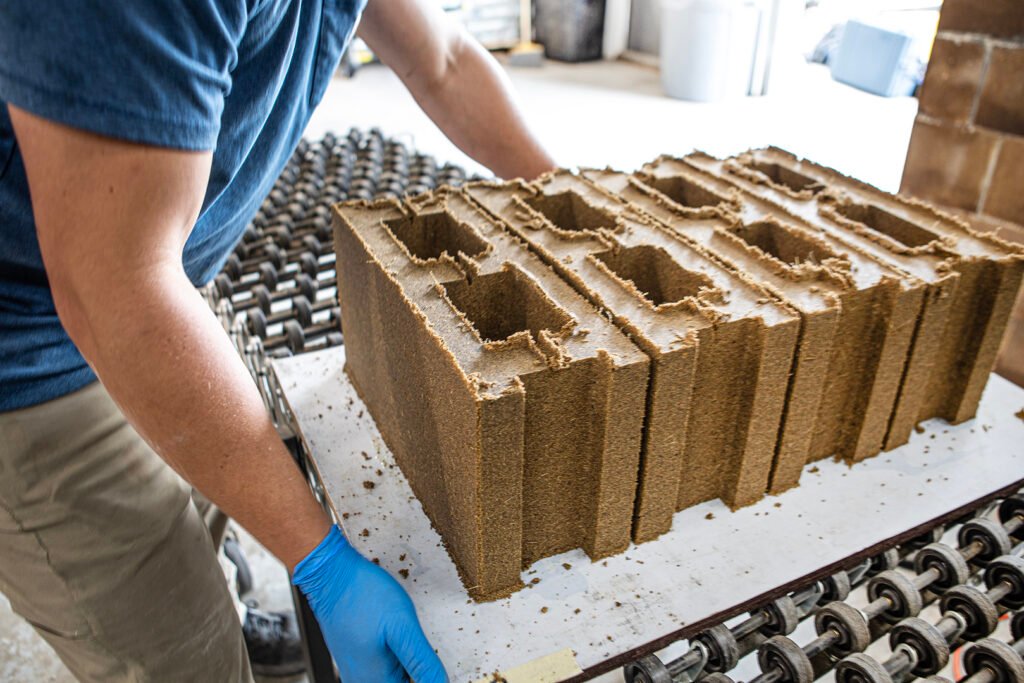
For sloped roofs, manufacturers now offer asphalt shingles and clay or concrete tiles engineered for higher reflectivity. These products use special granules or surface treatments to reflect more sunlight than conventional dark shingles. Some clay and concrete tiles are naturally light-colored, while others are coated for improved performance.
Homeowners interested in maximizing both insulation and biodiversity may also want to learn about living roof systems benefits, which combine vegetation with energy-saving features.
Metal Roofing Solutions
Metal roofs are inherently reflective, especially when coated with a light-colored or specially formulated finish. They are durable, recyclable, and can be designed to mimic traditional shingles, tiles, or standing seam panels. Metal roofing is especially effective in hot, sunny climates and can be paired with insulation for even greater efficiency.
Innovative and Sustainable Roofing Materials
Beyond traditional options, the market is seeing a surge in advanced and eco-friendly roofing materials. These products not only help control heat but also support broader sustainability goals.
- Recycled-content shingles: Some manufacturers use recycled plastics, rubber, or composite materials to create durable, reflective shingles.
- Vegetative (green) roofs: Layers of soil and plants provide natural insulation and cooling, while also supporting biodiversity. For more on this, see the living roof systems benefits article.
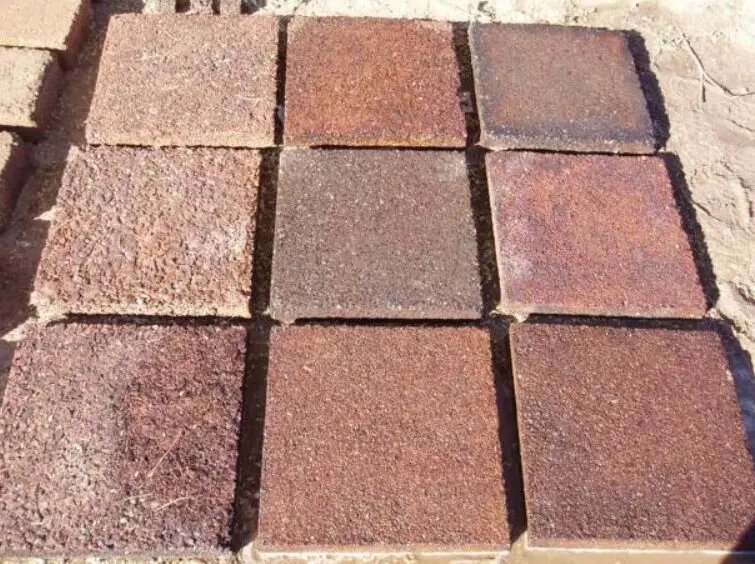
- Bio-based and low-impact options: Materials like bamboo, cork, and hemp are gaining traction for their low embodied energy and renewable sourcing. For instance, cork insulation properties offer an eco-friendly way to address thermal gaps.
For a comprehensive overview of sustainable construction materials, check out this eco-friendly building materials list that covers roofing, insulation, and more.
Key Considerations When Choosing a Cool Roof
Before selecting a roofing solution, it’s important to weigh several factors:
- Climate: Cool roofs are most effective in hot, sunny regions. In colder climates, they may reduce winter heating gains, so balance is key.
- Roof Slope and Structure: Some materials are better suited for flat roofs, while others work best on pitched surfaces.
- Local Codes and Incentives: Many areas offer rebates or require minimum reflectivity for new roofs. Check local regulations before starting your project.
- Longevity and Maintenance: Consider the expected lifespan and care requirements of each material.
Homeowners interested in retrofitting older homes for efficiency should also explore cellulose insulation eco friendly options, which can complement a cool roof system.
Installation and Maintenance Tips
Proper installation is crucial for maximizing the benefits of any cool roofing product. Here are a few best practices:
- Work with certified contractors familiar with energy-efficient roofing systems.
- Ensure all seams, edges, and penetrations are sealed to prevent leaks and heat loss.
- Schedule regular inspections to check for damage, dirt buildup, or fading, which can reduce reflectivity over time.
- Clean the roof periodically to maintain its reflective properties, especially in dusty or polluted environments.
Frequently Asked Questions
What are the main benefits of using cool roofing products?
Cool roofing helps lower indoor temperatures, reduces air conditioning costs, extends the life of roofing materials, and can decrease urban heat island effects. It also supports sustainability goals by reducing overall energy consumption.
Can I upgrade my existing roof to a cool roof?
Yes, many existing roofs can be retrofitted with reflective coatings or membranes. The suitability depends on the current roof’s condition and structure. Consult a roofing professional to determine the best approach for your property.
Are there eco-friendly insulation options that work well with cool roofs?
Absolutely. Materials like cellulose, cork, and hemp insulation are sustainable choices that pair effectively with cool roofing. For more details, see the articles on cellulose insulation eco friendly and hemp insulation uses.
Conclusion: Making the Smart Choice for Energy Savings
Modern cool roofing technologies offer a practical way to cut energy costs, improve comfort, and support environmental goals. By selecting the right materials and ensuring proper installation, homeowners and builders can enjoy long-term benefits and contribute to a more sustainable built environment. As innovation continues, expect even more options to emerge, making it easier than ever to create energy-smart homes and buildings.