As the construction industry shifts toward sustainability, understanding eco friendly construction material standards is more important than ever. These benchmarks help architects, builders, and homeowners choose materials that reduce environmental impact, conserve resources, and promote healthier living spaces. Whether you’re planning a new build or retrofitting an existing structure, being aware of these standards can guide you to make responsible and future-proof choices.
For those looking to source sustainable supplies, our guide on where to buy sustainable building materials offers practical tips on finding reputable vendors and selecting the right products for your project.
Why Sustainable Building Standards Matter
Construction is a major contributor to global carbon emissions and resource consumption. By following green building material guidelines, the industry can minimize waste, reduce pollution, and create healthier environments for occupants. These standards also encourage innovation, pushing manufacturers to develop products that are safer, more durable, and less harmful to the planet.
Adhering to these benchmarks isn’t just about environmental responsibility. Many regulations and certifications are now required for new developments, especially in urban areas. Meeting these requirements can also improve a building’s value and appeal to eco-conscious buyers or tenants.
Key International Standards for Eco Materials
Several organizations have developed frameworks to assess and certify sustainable construction products. Here are some of the most widely recognized:
- LEED (Leadership in Energy and Environmental Design): This globally recognized certification evaluates materials based on their environmental impact, energy efficiency, and indoor air quality.
- BREEAM (Building Research Establishment Environmental Assessment Method): Originating in the UK, BREEAM assesses the sustainability of building materials, focusing on lifecycle analysis and responsible sourcing.
- Cradle to Cradle Certified™: This standard examines a product’s entire lifecycle, from raw material extraction to end-of-life disposal or recycling, ensuring minimal environmental harm.
- ISO 14001: This international standard sets out criteria for environmental management systems, including how materials are sourced, manufactured, and disposed of.
Understanding these frameworks helps builders and consumers make informed decisions and ensure compliance with local and global regulations.
Common Criteria in Green Material Standards
While each certification has its own requirements, most focus on several core principles:
- Resource Efficiency: Materials should use renewable or recycled content and minimize waste during production and installation.
- Low Emissions: Products must emit minimal volatile organic compounds (VOCs) and other pollutants that can harm indoor air quality.
- Durability: Long-lasting materials reduce the need for frequent replacement, saving resources and energy over time.
- Responsible Sourcing: Preference is given to products harvested or manufactured with minimal environmental and social impact.
- End-of-Life Management: Materials should be recyclable, compostable, or safely disposable to prevent landfill buildup.
When selecting products, look for documentation or certifications that demonstrate compliance with these criteria.
Examples of Materials That Meet Green Standards
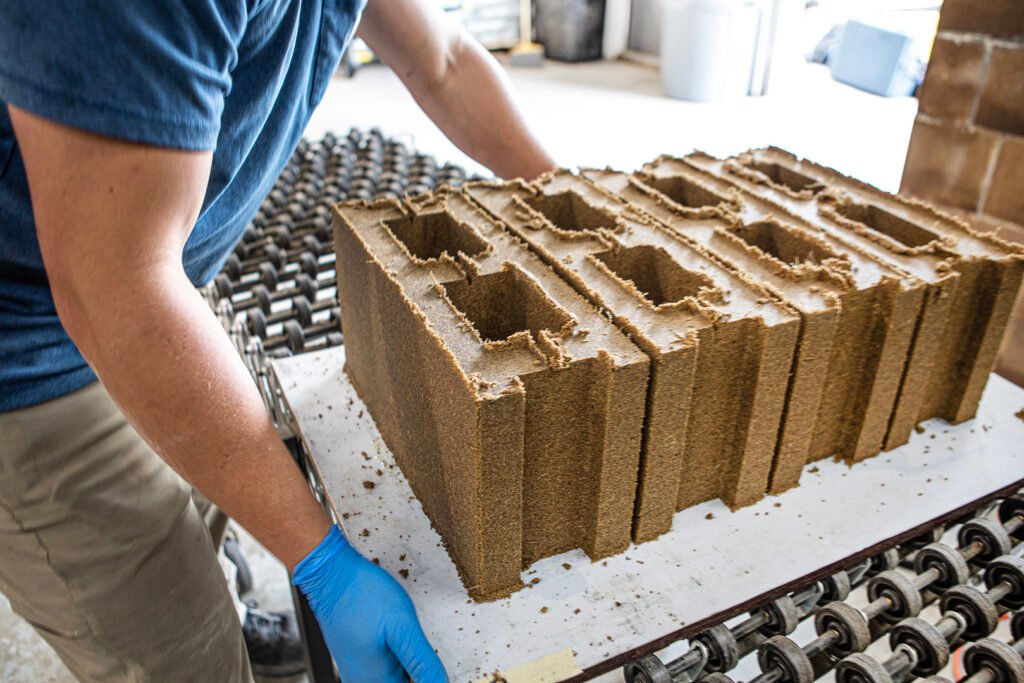
Many innovative products now meet or exceed eco friendly construction material standards. Here are some notable examples:
- Bamboo Flooring: Bamboo is a rapidly renewable resource, requiring less water and pesticides than traditional hardwoods. It’s durable, attractive, and often certified by organizations like FSC (Forest Stewardship Council).
- Recycled Steel: Using steel made from recycled content reduces the need for new mining and lowers energy consumption during production.
- Low-VOC Paints: These products emit fewer harmful chemicals, improving indoor air quality and meeting strict emission requirements.
- Insulation from Recycled Materials: Fiberglass and cellulose insulation made from recycled glass or paper help reduce landfill waste and energy use.
- Ferrock: An alternative to concrete, Ferrock is made from recycled steel dust and absorbs CO2 during curing, making it carbon-negative.
For a more comprehensive overview of sustainable options, check out this detailed list of eco-friendly building materials that highlights the benefits and applications of each product.
How to Identify Certified Sustainable Products
When shopping for construction supplies, look for labels and documentation that prove compliance with recognized standards. Common certifications include:
- FSC (Forest Stewardship Council): Ensures wood products are sourced from responsibly managed forests.
- GREENGUARD: Certifies products for low chemical emissions, supporting healthier indoor environments.
- Energy Star: Indicates products that meet energy efficiency guidelines set by the U.S. Environmental Protection Agency.
- Environmental Product Declarations (EPDs): Provide transparent information about a product’s environmental impact throughout its lifecycle.
Always request supporting documentation from suppliers and verify claims through official databases or certification bodies. For specialized needs, such as eco friendly construction material suppliers or weather resistant eco friendly materials, seek out vendors who can demonstrate compliance with the latest standards.
Challenges and Future Trends in Green Building Materials
While the adoption of eco friendly construction material standards is growing, challenges remain. Some sustainable products can be more expensive upfront, and not all regions have equal access to certified materials. Additionally, greenwashing—misleading claims about environmental benefits—can make it difficult to distinguish genuinely sustainable options from conventional ones.
However, the future looks promising. Advances in material science are producing new products with even lower environmental footprints, such as carbon-sequestering concrete and bio-based insulation. Regulatory frameworks are also evolving, with stricter requirements and incentives for sustainable construction practices.
Staying informed about these trends and standards ensures that your projects are not only compliant but also contribute positively to the environment and community.
FAQ About Sustainable Construction Material Standards
What are the main benefits of using certified green building materials?
Certified sustainable materials help reduce a building’s environmental impact, improve indoor air quality, and often result in lower long-term operating costs. They can also enhance property value and meet regulatory requirements for new developments.
How can I verify if a product meets eco-friendly standards?
Look for recognized certifications such as LEED, BREEAM, FSC, or GREENGUARD. Request Environmental Product Declarations (EPDs) or other documentation from suppliers, and cross-check claims with official certification bodies.
Are eco-friendly materials suitable for all climates and building types?
Many sustainable products are designed for a range of environments, but it’s important to choose materials that are appropriate for your specific climate and application. For example, fire resistant sustainable materials or earthquake resistant eco friendly materials may be necessary in certain regions.
By understanding and applying these standards, you can make informed choices that benefit both your project and the planet.