
As sustainable building practices become more mainstream, the demand for eco friendly construction material suppliers is rapidly increasing. Builders, architects, and homeowners are seeking reliable sources for materials that minimize environmental impact, support healthier living spaces, and align with green certification standards. Whether you’re starting a new project or retrofitting an existing structure, knowing where and how to source these materials is a crucial step toward a more sustainable future.
In this guide, we’ll explore what makes a supplier truly “eco friendly,” highlight the most popular green building materials, and provide practical tips for finding reputable sources. We’ll also touch on the climate resilient building materials that are shaping the future of construction, and how to evaluate suppliers for quality, transparency, and ethical practices.
Understanding What Makes a Supplier Sustainable
Not all suppliers advertising “green” or “eco” materials are created equal. To ensure you’re sourcing from genuinely eco friendly construction material suppliers, consider the following criteria:
- Material Sourcing: Are raw materials renewable, recycled, or responsibly harvested?
- Certifications: Look for third-party certifications such as FSC (Forest Stewardship Council), Cradle to Cradle, or GREENGUARD.
- Transparency: Reputable suppliers provide clear information about product origins, manufacturing processes, and environmental impact.
- Local Sourcing: Suppliers that offer locally sourced materials help reduce transportation emissions and support regional economies.
- Waste Reduction: Many leading suppliers have programs to minimize packaging and promote recycling or take-back initiatives.
Evaluating these aspects will help you distinguish between genuine sustainability and greenwashing, ensuring your project aligns with your environmental goals.
Popular Green Building Materials and Their Benefits
Choosing the right materials is a cornerstone of sustainable construction. Here are some of the most widely used eco-friendly options available from leading suppliers:
- Bamboo: Fast-growing, renewable, and highly durable, bamboo is ideal for flooring, cabinetry, and paneling.
- Recycled Steel: Offers strength and longevity while diverting waste from landfills.
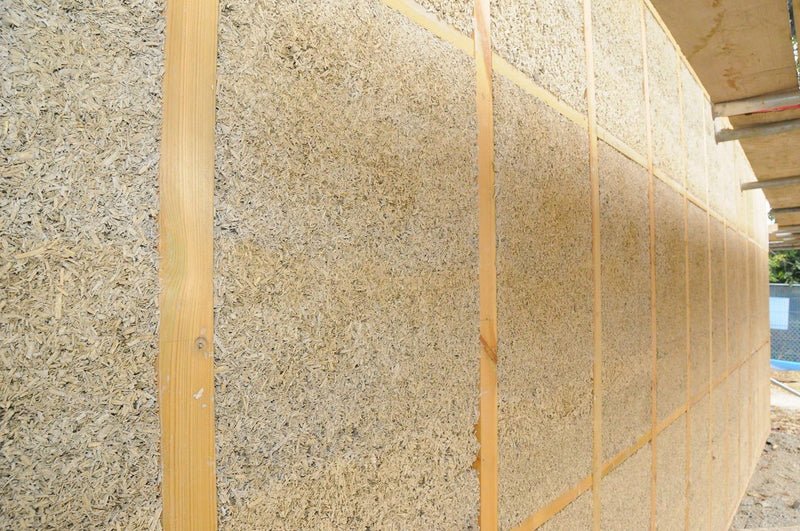
- Hempcrete: A lightweight, insulating material made from hemp fibers and lime, suitable for walls and insulation.
- Reclaimed Wood: Reduces demand for new lumber and adds unique character to interiors.
- Low-VOC Paints and Finishes: Improve indoor air quality by minimizing harmful emissions.
- Recycled Glass and Plastic: Used in countertops, tiles, and insulation products.
These materials not only reduce the environmental footprint of your project but can also contribute to energy efficiency, durability, and occupant health. For more on the durability of sustainable materials in construction, see our in-depth analysis.
How to Find Reliable Green Material Suppliers
Finding reputable sources for sustainable building products can be challenging, especially with the growing number of companies entering the market. Here are practical steps to help you identify trustworthy eco friendly construction material suppliers:
- Research Certifications: Check for recognized certifications and ask suppliers to provide documentation.
- Request Product Data Sheets: These documents should detail material composition, sourcing, and environmental impact.
- Read Reviews and Case Studies: Look for testimonials or project portfolios showcasing real-world applications.
- Visit Showrooms or Warehouses: Seeing materials firsthand can help assess quality and authenticity.
- Ask About Supply Chain Practices: Inquire about transportation, packaging, and waste management policies.
For a deeper look at the eco friendly construction industry trends driving supplier innovation, explore our recent coverage.
Top Sources for Sustainable Building Materials
There are several types of suppliers and platforms where you can source green construction products:
- Specialty Green Building Suppliers: These businesses focus exclusively on sustainable materials and often offer expert guidance.
- Major Home Improvement Retailers: Many now carry eco-certified products, though selection may vary by location.
- Online Marketplaces: Platforms like Amazon and dedicated green building sites provide access to a wide range of certified materials.
- Local Reuse Centers: Salvage yards and reuse centers are excellent sources for reclaimed wood, doors, and fixtures.
- Direct from Manufacturers: Some producers sell directly, which can improve transparency and reduce costs.
When evaluating suppliers, prioritize those who provide detailed product information and are transparent about their sourcing and manufacturing processes. For a comprehensive list of sustainable options, see this guide to sustainable building materials.
Evaluating Cost and Value When Sourcing Green Materials
One common concern is whether sustainable materials are more expensive than conventional options. While some eco-friendly products have a higher upfront cost, many offer long-term savings through improved energy efficiency, durability, and reduced maintenance. For a detailed breakdown, visit our article on the cost of eco friendly building materials.
When comparing suppliers, consider not just the sticker price but also factors like product lifespan, warranty, and potential tax incentives or rebates for using certified materials. Investing in quality materials from reputable sources can pay dividends in both performance and environmental impact.
Tips for Working with Green Material Suppliers
Building a strong relationship with your supplier can streamline your project and ensure you get the best products for your needs. Here are some best practices:
- Communicate Your Sustainability Goals: Let suppliers know your priorities so they can recommend suitable products.
- Order Samples: Testing materials before committing to a large order helps avoid costly mistakes.
- Plan Ahead: Some eco-friendly materials have longer lead times due to limited production or high demand.
- Ask About After-Sales Support: Good suppliers offer guidance on installation, maintenance, and warranty claims.
For tips on maximizing the lifespan of your green materials, see our guide to maintenance of green building materials.
Frequently Asked Questions
What certifications should I look for when choosing a green material supplier?
Look for certifications such as FSC for wood products, Cradle to Cradle, GREENGUARD, and Energy Star. These indicate that the materials meet recognized environmental and health standards.
Are eco-friendly building materials always more expensive?
Not necessarily. While some sustainable products have a higher initial cost, they often provide long-term savings through energy efficiency and durability. Comparing total lifecycle costs is important when evaluating value.
How can I verify if a supplier is truly sustainable?
Request documentation on sourcing, manufacturing, and certifications. Reputable suppliers are transparent and willing to provide detailed information. Reading reviews and case studies can also help assess credibility.
Can I source green building materials locally?
Yes, many regions have suppliers specializing in reclaimed wood, recycled materials, and other sustainable products. Local sourcing reduces transportation emissions and supports the community.
As the construction industry continues to evolve, sourcing from eco friendly construction material suppliers is an effective way to reduce your project’s environmental impact and support a healthier built environment. By following the guidance above and working with transparent, reputable suppliers, you can make informed choices that benefit both your project and the planet.