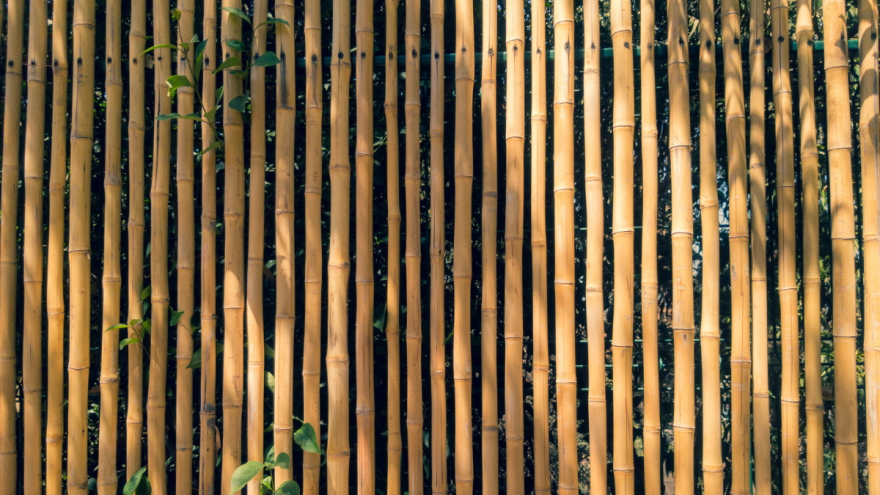
Choosing green building materials is a smart step toward sustainability, but ensuring their long-term performance requires thoughtful care. Proper maintenance of green building materials not only preserves their environmental benefits but also extends their lifespan, reduces costs, and keeps your spaces healthy and attractive. Whether you’re a homeowner, property manager, or builder, understanding how to care for eco-friendly materials is essential for getting the most out of your investment.
This article covers practical strategies for maintaining sustainable materials, from bamboo flooring to recycled insulation. We’ll also highlight common challenges, offer product-specific advice, and connect you with additional resources for sustainable construction and design. For those interested in the latest innovations, you can explore the green building material innovation shaping the future of eco-friendly construction.
Why Sustainable Materials Require Specific Care
Eco-friendly products are designed to minimize environmental impact, but they often differ from conventional materials in composition and performance. For example, bamboo, cork, reclaimed wood, and recycled composites may react differently to moisture, temperature, and cleaning agents. Understanding these unique properties is the first step in developing an effective maintenance plan.
- Natural fibers like bamboo or cork can be sensitive to humidity and require regular sealing.
- Recycled materials may need gentle cleaning to avoid surface damage.
- Low-VOC finishes and adhesives can be less resistant to harsh chemicals, so choosing the right cleaning products is crucial.
By tailoring your approach, you help preserve both the integrity and the sustainability of your building materials.
Best Practices for the Maintenance of Green Building Materials
Keeping eco-friendly surfaces and structures in top shape involves a mix of routine care and preventive measures. Here are proven strategies to help you maintain a healthy, sustainable environment:
-
Regular Cleaning with Gentle Products
Use pH-neutral, biodegradable cleaners that won’t degrade natural fibers or finishes. Avoid bleach, ammonia, and abrasive tools, which can strip protective coatings and cause premature wear. -
Control Moisture and Humidity
Many sustainable materials, such as bamboo and reclaimed wood, are sensitive to excess moisture. Use dehumidifiers in damp climates, fix leaks promptly, and ensure proper ventilation to prevent mold and warping. -
Protect Surfaces from Physical Damage
Place mats at entryways to reduce tracked-in dirt and grit. Use furniture pads to prevent scratches on flooring. For exterior cladding, periodic inspections can catch issues like cracks or loose panels early. -
Reapply Sealants and Finishes
Natural materials often require periodic resealing to maintain water resistance and luster. Follow manufacturer guidelines for frequency and product type. -
Monitor for Pests
Some green materials, especially those with natural fibers, can attract insects. Use non-toxic pest deterrents and inspect regularly for signs of infestation.
Material-Specific Maintenance Tips
Each sustainable product has its own care requirements. Here’s how to keep some of the most popular green materials performing at their best:
Bamboo Flooring and Surfaces
- Clean with a damp (not wet) mop and avoid standing water.
- Use only cleaners recommended for bamboo or hardwood.
- Reapply a low-VOC sealant every few years to maintain durability.
Recycled Insulation (e.g., Fiberglass, Denim)
- Inspect for moisture intrusion and mold growth, especially after storms or leaks.
- Seal gaps and cracks in walls to prevent air and moisture infiltration.
- Replace damaged insulation promptly to maintain indoor air quality and energy efficiency.
Eco-Friendly Exterior Cladding
- Wash surfaces with mild soap and water to remove dirt and pollutants.
- Check for loose panels, cracks, or signs of weathering at least twice a year.
- Touch up finishes or paints with low-VOC products as needed.
For more on sustainable facade options, see our article on sustainable facade materials for modern green building design.
Common Challenges and How to Overcome Them
While eco-friendly materials offer many advantages, they can present unique maintenance challenges. Here are some common issues and solutions:
- Staining and Discoloration: Natural products may be more prone to stains from spills or sunlight. Use area rugs, UV-protective finishes, and clean up spills promptly.
- Wear and Tear: High-traffic areas may show signs of wear faster. Rotate rugs and furniture, and refinish surfaces as needed.
- Moisture Damage: Prevent water intrusion by maintaining seals around windows, doors, and exterior cladding. For more on exterior protection, see our guide to eco friendly exterior cladding.
- Compatibility with Cleaners: Always test cleaning products on a small, inconspicuous area before full use, especially on recycled or natural surfaces.
Staying proactive with inspections and quick repairs helps avoid costly replacements and keeps your building’s environmental footprint low.
Benefits of Proper Upkeep for Sustainable Materials
Investing time in the maintenance of green building materials pays off in several ways:
- Extended Lifespan: Well-maintained materials last longer, reducing the need for replacements and conserving resources.
- Healthier Indoor Environments: Using non-toxic cleaners and preventing mold growth supports better air quality.
- Cost Savings: Preventive care minimizes expensive repairs and maintains energy efficiency.
- Preserved Aesthetics: Regular upkeep keeps surfaces looking fresh and appealing.
For those interested in what’s next for eco-friendly construction, the future of sustainable construction materials promises even more durable and low-maintenance options.
Resources for Further Learning
Staying informed about new products and best practices is key to successful maintenance. For a deeper dive into the science and innovation behind eco-friendly products, visit this comprehensive resource on sustainable and eco-friendly building materials.
Additionally, consider exploring ventilated systems for improved building performance in our article on ventilated facade eco friendly systems.
Frequently Asked Questions
How often should I reseal bamboo or cork flooring?
Most bamboo and cork floors benefit from resealing every 2–4 years, depending on foot traffic and exposure to moisture. Always follow the manufacturer’s recommendations for the best results.
What cleaning products are safe for green building materials?
Use pH-neutral, biodegradable cleaners that are free from harsh chemicals like bleach or ammonia. These products help maintain the integrity of natural and recycled surfaces without introducing toxins into your home.
Are eco-friendly materials more difficult to maintain than traditional options?
While some sustainable materials require specific care, most are no more difficult to maintain than conventional products. The key is understanding their unique properties and following recommended maintenance routines.
Can I use regular paint or sealant on sustainable cladding?
It’s best to use low-VOC or natural-based paints and sealants designed for eco-friendly materials. These products preserve the environmental benefits and ensure compatibility with the substrate.
Where can I learn more about the latest trends in green building?
For insights into emerging technologies and materials, check out our article on green building material innovation.