The construction industry is undergoing a significant transformation as the demand for sustainable construction materials continues to rise. Environmental concerns, stricter regulations, and a growing awareness of the impact of traditional building practices are driving this change. As we look ahead, the evolution of eco-friendly materials is set to redefine how buildings are designed, constructed, and maintained.
Innovations in material science, circular economy principles, and renewable resources are shaping the next generation of building products. These advancements not only reduce the carbon footprint of construction but also offer improved performance, durability, and energy efficiency. For those interested in optimizing their building projects for sustainability and energy savings, exploring energy saving building envelope materials can provide valuable insights into holistic approaches for greener construction.
Key Drivers Shaping the Evolution of Green Building Materials
Several factors are accelerating the shift toward eco-friendly construction products:
- Regulatory Pressure: Governments worldwide are implementing stricter building codes and incentives to encourage the use of low-impact materials.
- Consumer Demand: Homeowners and commercial developers are increasingly prioritizing sustainability and health in their purchasing decisions.
- Technological Innovation: Advances in material science are enabling the creation of products that are both environmentally friendly and high-performing.
- Resource Scarcity: Depleting natural resources are prompting the industry to seek alternatives that are renewable or recycled.
These drivers are not only influencing the adoption of new materials but also encouraging the re-evaluation of existing ones, such as timber, concrete, and insulation products.
Emerging Trends in the Future of Sustainable Construction Materials
The coming years will see several notable trends in the development and use of sustainable building products. Here are some of the most significant:
Bio-Based and Renewable Materials
Materials derived from plants and other renewable sources are gaining traction. Bamboo, hempcrete, and cross-laminated timber (CLT) are examples of bio-based products that offer strength, durability, and a much lower environmental impact compared to traditional options.
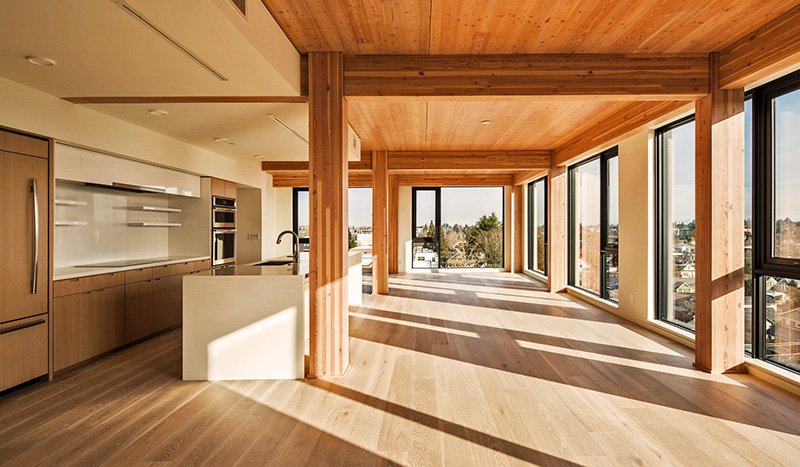
Bamboo, for example, matures quickly and can be harvested sustainably, making it an ideal alternative to hardwoods. CLT, made from layers of timber bonded together, offers a renewable substitute for steel and concrete in large-scale construction.
Recycled and Circular Economy Materials
Recycling waste into new products is a core principle of the circular economy. Construction materials made from recycled glass, plastic, and metal are becoming more prevalent. These products help divert waste from landfills and reduce the need for virgin resources.
Innovative companies are also exploring ways to reclaim and repurpose demolition debris, turning old bricks, concrete, and wood into new building blocks. This approach not only conserves resources but also reduces the embodied carbon of new structures.
Low-Carbon Concrete and Cement Alternatives
Concrete is one of the most widely used building materials, but it is also a significant source of carbon emissions. The future will see a rise in low-carbon concrete mixes that incorporate industrial byproducts like fly ash and slag, as well as alternative binders such as geopolymers.
These innovations can dramatically reduce the carbon footprint of construction projects while maintaining the strength and durability required for modern buildings. For those seeking to further enhance energy efficiency, exploring thermal break window materials can complement the use of low-impact structural products.
Innovative Natural Insulation and Envelope Solutions
Insulation is critical for energy efficiency and indoor comfort. The next generation of sustainable insulation materials includes products made from sheep’s wool, cellulose, and recycled denim. These options provide excellent thermal performance while minimizing environmental harm.
Hempcrete, a composite made from hemp fibers and lime, is gaining popularity for its insulating properties and carbon-sequestering abilities. It is lightweight, fire-resistant, and naturally regulates humidity, making it suitable for a variety of climates.

For those interested in envelope solutions that maximize energy savings, reviewing green window frame materials can provide further ideas for sustainable upgrades.
Smart and Adaptive Building Products
Technological advancements are leading to the development of smart materials that can adapt to changing environmental conditions. Examples include self-healing concrete, phase-change materials for thermal regulation, and coatings that improve air quality by breaking down pollutants.
These products not only enhance the sustainability of buildings but also contribute to occupant health and comfort. As these technologies mature, they will become increasingly accessible to builders and homeowners alike.
Challenges and Opportunities Ahead
While the outlook for future sustainable construction materials is promising, several challenges remain:
- Cost and Availability: Many innovative materials are still more expensive or less widely available than conventional options.
- Performance Verification: Ensuring that new products meet safety and durability standards is essential for widespread adoption.
- Industry Education: Builders, architects, and consumers need access to reliable information about the benefits and limitations of emerging materials.
Despite these hurdles, the momentum behind sustainable construction is undeniable. As research and development continue, costs are expected to decrease, and performance data will become more robust. For those seeking alternatives to traditional window materials, exploring uPVC alternatives eco friendly can offer additional pathways to greener construction.
Research and Collaboration for a Greener Built Environment
Collaboration between industry, academia, and government is crucial for advancing the adoption of sustainable materials. Recent studies, such as those published in peer-reviewed journals on sustainable construction innovation, highlight the importance of interdisciplinary research and pilot projects.
By sharing knowledge and best practices, stakeholders can accelerate the transition to a more sustainable built environment. This collaborative approach will ensure that the benefits of new materials are realized at scale, reducing the environmental impact of construction for generations to come.
Frequently Asked Questions
What are the most promising sustainable building materials for the future?
Some of the most promising options include bamboo, cross-laminated timber, hempcrete, recycled steel, and low-carbon concrete. These materials offer a combination of renewability, strength, and reduced environmental impact compared to traditional choices.
How do sustainable construction materials benefit building owners?
Eco-friendly materials can lower energy costs, improve indoor air quality, and increase property value. They also help building owners meet regulatory requirements and demonstrate a commitment to environmental responsibility.
Are sustainable materials more expensive than conventional ones?
While some innovative products may have higher upfront costs, prices are decreasing as demand grows and production scales up. Over time, the energy savings and durability of these materials can offset initial expenses, making them a smart investment.