Reducing energy consumption in buildings is a top priority for architects, builders, and homeowners alike. The materials chosen for the building envelope—the physical barrier between the interior and exterior—play a crucial role in determining how much energy is needed for heating, cooling, and overall comfort. By selecting energy saving building envelope materials, it’s possible to significantly lower utility bills, enhance indoor comfort, and reduce environmental impact.
Modern construction offers a wide range of options, from advanced insulation to high-performance cladding and sustainable window frames. These solutions not only improve efficiency but also contribute to healthier, more resilient structures. For those interested in further enhancing their home’s sustainability, exploring green window frame materials can be a valuable next step.
Understanding the Building Envelope and Its Impact
The building envelope consists of all the elements that separate the conditioned (heated or cooled) interior from the outside environment. This includes walls, roofs, windows, doors, and floors. The primary function is to control heat flow, moisture, air infiltration, and light. When the envelope is constructed with energy efficient materials, it acts as a shield, minimizing unwanted heat loss in winter and heat gain in summer.
Key components of an effective envelope include:
- Insulation: Prevents heat transfer and maintains stable indoor temperatures.
- Air and vapor barriers: Reduce drafts and moisture intrusion.
- High-performance windows and doors: Limit energy loss through glass and frames.
- Exterior cladding: Offers weather resistance and additional insulation.
Types of Energy Efficient Envelope Materials
Choosing the right materials is essential for maximizing energy savings. Below are some of the most effective options used in today’s sustainable construction:
Advanced Insulation Solutions
Insulation is the backbone of any efficient building envelope. Modern products go beyond traditional fiberglass batts, offering higher R-values and improved performance. Examples include:
- Spray foam insulation: Expands to fill gaps, creating an airtight seal.
- Rigid foam boards: Provide continuous insulation across surfaces, reducing thermal bridging.
- Mineral wool: Offers excellent fire resistance and sound absorption.
- Eco-friendly alternatives: Such as cellulose (recycled paper) and sheep’s wool, which are both sustainable and effective.
Proper installation is just as important as material choice. Gaps or compression can drastically reduce effectiveness, so attention to detail is key.
Sustainable Wall and Roof Systems
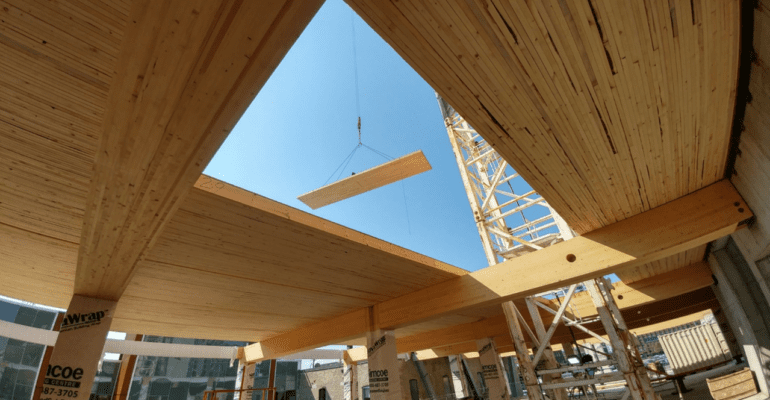
Walls and roofs are major contributors to a building’s thermal performance. Innovative products such as insulated concrete forms (ICFs), structural insulated panels (SIPs), and mass timber panels provide both strength and high insulation values. These systems are designed to minimize thermal bridging and air leakage, resulting in lower energy use.
For those seeking environmentally responsible options, sustainable building materials for the future include rapidly renewable resources like bamboo, cork, and responsibly sourced timber. These not only reduce embodied carbon but also offer excellent durability and insulation.
High-Performance Windows and Glazing
Windows are often the weakest point in the envelope when it comes to energy loss. Advances in glazing technology have led to products with multiple panes, low-emissivity (Low-E) coatings, and inert gas fills that dramatically improve performance. Pairing these with green window frame materials further enhances efficiency and sustainability.
Proper orientation and shading are also important. South-facing windows can provide passive solar gain in winter, while overhangs or shades help reduce overheating in summer.
Additional Strategies for a High-Performance Envelope
Beyond material selection, several strategies can further boost the efficiency of the building envelope:
- Continuous insulation: Installing insulation across all structural members to eliminate gaps and cold spots.
- Sealing air leaks: Using caulks, foams, and gaskets to stop drafts around windows, doors, and penetrations.
- Moisture management: Incorporating vapor barriers and rainscreens to prevent mold and structural damage.
- Reflective roofing: Light-colored or specially coated roofs reflect sunlight, reducing cooling loads.
These measures work together with energy saving building envelope materials to create a holistic approach to efficiency.
Benefits of Using Modern Envelope Materials
Investing in advanced envelope solutions yields a range of benefits:
- Lower energy bills: Improved insulation and airtightness reduce heating and cooling needs.
- Enhanced comfort: Stable indoor temperatures and reduced drafts create a more pleasant living environment.
- Better indoor air quality: Proper moisture and air control help prevent mold and allergens.
- Increased property value: Energy-efficient homes are more attractive to buyers and often command higher prices.
- Environmental responsibility: Using sustainable and recycled materials lowers the building’s carbon footprint.
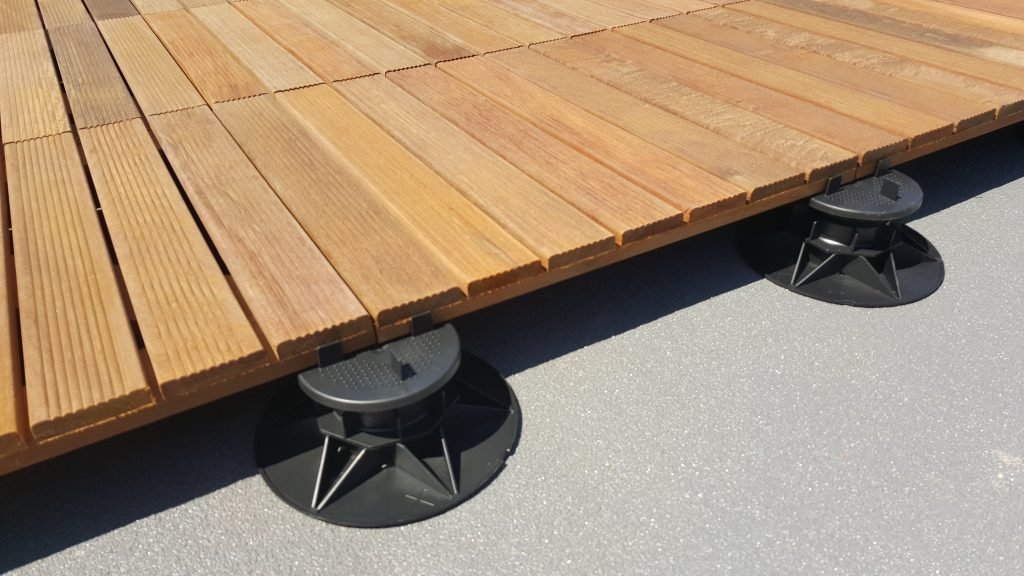
For outdoor spaces, incorporating eco friendly decking materials can further extend efficiency and sustainability beyond the building envelope.
Integrating Envelope Materials with Other Green Building Practices
Optimal efficiency is achieved when envelope upgrades are combined with other sustainable strategies. For example, pairing high-performance insulation with natural fiber reinforced composites for structural elements, or using bio composite construction materials for interior finishes, creates a comprehensive approach to green building. These combinations help maximize energy savings and reduce environmental impact throughout the structure.
Additionally, choosing recycled or low-impact products, such as recycled composite decking benefits, supports a circular economy and minimizes waste.
FAQ: Energy Efficient Building Envelopes
What are the most effective insulation materials for energy savings?
Spray foam, rigid foam boards, mineral wool, and eco-friendly options like cellulose and sheep’s wool are among the top choices. Each offers high R-values and specific advantages for different applications.
How do high-performance windows contribute to efficiency?
Modern windows with multiple panes, Low-E coatings, and gas fills significantly reduce heat transfer. When combined with sustainable frames, they minimize energy loss and improve comfort.
Can envelope upgrades be added to existing buildings?
Yes, many improvements—such as additional insulation, air sealing, and upgraded windows—can be retrofitted to existing structures. These upgrades often yield quick returns through lower energy bills and enhanced comfort.
Are sustainable envelope materials more expensive?
While some advanced products may have higher upfront costs, the long-term savings on energy bills and maintenance often offset the initial investment. Additionally, many sustainable materials are becoming more affordable as demand increases.
Conclusion
Choosing the right energy saving building envelope materials is essential for achieving total efficiency in any building project. By focusing on advanced insulation, high-performance windows, sustainable wall systems, and complementary green building practices, it’s possible to create comfortable, cost-effective, and environmentally responsible spaces. As technology advances and sustainable options become more accessible, investing in a high-performance envelope remains one of the most impactful decisions for long-term efficiency and value.