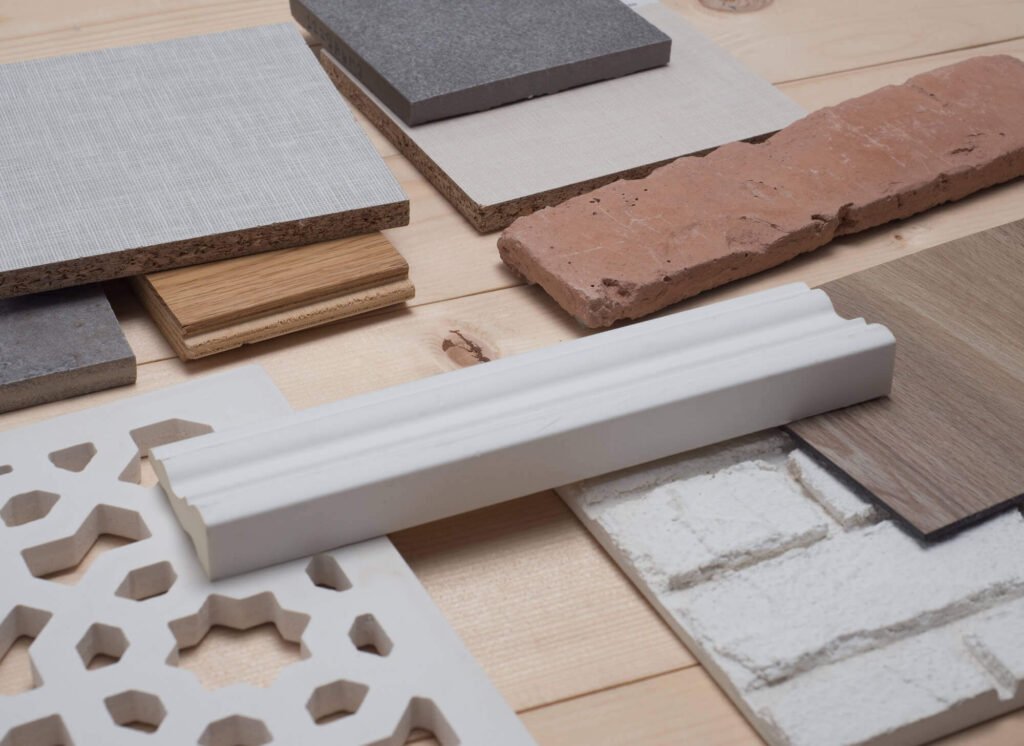
Natural fiber reinforced composites are transforming the landscape of sustainable construction and manufacturing. By combining renewable plant-based fibers with polymer matrices, these advanced materials offer a compelling balance of strength, durability, and reduced environmental impact. As industries seek alternatives to traditional composites and metals, these bio-based solutions are gaining traction for their lightweight properties and eco-friendly credentials.
This article explores the fundamentals of these innovative composites, their key advantages, and practical applications across construction, automotive, and consumer goods. For those interested in broader sustainable building strategies, you may also find value in learning about bio composite construction materials and their role in modern engineering.
Understanding Plant-Based Composite Materials
At their core, natural fiber reinforced composites are engineered by embedding plant-derived fibers—such as flax, hemp, jute, sisal, or bamboo—into a polymer matrix. The matrix can be synthetic (like epoxy or polyester resins) or bio-based (such as polylactic acid). This combination leverages the mechanical properties of both components, resulting in materials that are strong, lightweight, and more sustainable than traditional options.
The use of agricultural fibers is not new, but recent advances in processing and compatibility with modern resins have dramatically improved the performance and versatility of these composites. Their growing popularity is also supported by the push for eco-friendly construction practices and the need to reduce reliance on non-renewable resources.
Key Benefits of Bio-Based Composite Solutions
Choosing natural fiber composites over conventional materials offers several important advantages:
- Lightweight Strength: Plant fibers have a high strength-to-weight ratio, making these composites ideal for applications where reducing mass is critical, such as automotive panels or building cladding.
- Environmental Sustainability: The use of renewable fibers helps lower the carbon footprint of finished products. Many fibers are sourced from agricultural byproducts or fast-growing crops, supporting circular economy principles.
- Biodegradability: When paired with bio-based resins, these composites can be designed to break down at the end of their life cycle, reducing landfill waste compared to conventional plastics or fiberglass.
- Thermal and Acoustic Insulation: Natural fibers provide inherent insulation properties, making them suitable for energy-efficient building materials.
- Cost-Effectiveness: In many regions, plant fibers are abundant and affordable, reducing raw material costs for manufacturers.
For homeowners and builders, these benefits translate into more sustainable, healthier living environments and potential long-term savings.
Popular Fiber Types and Matrix Materials
The performance of these composites depends heavily on the choice of fiber and matrix. Here are some of the most common fibers used:
- Flax: Known for its high tensile strength and stiffness, flax is widely used in automotive and sports equipment.
- Hemp: Offers a good balance of strength, flexibility, and environmental benefits. Hemp fibers are used in panels, insulation, and even bioplastics.
- Jute: Affordable and easy to process, jute is common in packaging, furniture, and construction boards.
- Sisal: With excellent abrasion resistance, sisal fibers are used in ropes, mats, and composite reinforcements.
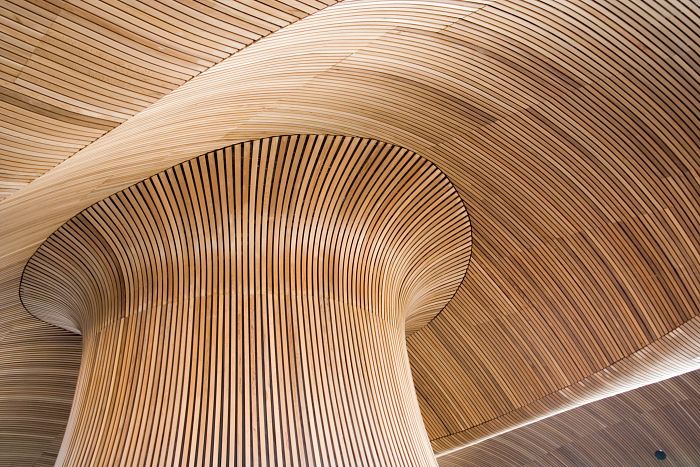
- Bamboo: Fast-growing and strong, bamboo is increasingly popular in flooring, structural panels, and decorative elements.
Matrix materials can be petroleum-based (like epoxy or polyester) or derived from renewable sources (such as polylactic acid or other biopolymers). The choice depends on the desired balance of mechanical properties, cost, and biodegradability.
Applications in Construction and Beyond
The versatility of natural fiber reinforced composites has led to their adoption in a wide range of industries. Some notable uses include:
- Building Materials: Panels, cladding, insulation boards, and even structural elements are being produced with plant-based composites. These materials contribute to green building certifications and improved indoor air quality.
- Automotive Components: Door panels, dashboards, and trunk liners made with natural fibers help reduce vehicle weight and improve fuel efficiency.
- Furniture and Interior Design: Lightweight, durable, and visually appealing, these composites are used in chairs, tables, and cabinetry.
- Consumer Goods: Sports equipment, luggage, and electronics casings benefit from the strength and sustainability of these materials.
For those interested in other sustainable construction innovations, you might also explore the recycled composite decking benefits that offer durability and low maintenance for outdoor spaces.

Challenges and Considerations
While the advantages are significant, there are some challenges to address when working with plant-based composites:
- Moisture Sensitivity: Natural fibers can absorb water, which may affect mechanical properties or lead to degradation if not properly treated or protected.
- Consistency: Variability in fiber quality and composition can impact the uniformity of finished products. Advances in processing and quality control are helping to mitigate these issues.
- Compatibility: Ensuring strong adhesion between fibers and the matrix is critical for optimal performance. Surface treatments and coupling agents are often used to improve bonding.
- Fire Resistance: Some plant fibers are more flammable than synthetic alternatives, so additional fire-retardant treatments may be necessary for certain applications.
Despite these hurdles, ongoing research and development are rapidly improving the reliability and performance of these eco-friendly materials.
Future Trends in Sustainable Composite Technology
The market for natural fiber reinforced composites is expected to grow as more industries prioritize sustainability and resource efficiency. Key trends include:
- Development of Fully Bio-Based Composites: Innovations in bio-resins and fiber treatments are making it possible to create products that are both high-performing and fully biodegradable.
- Integration with Circular Economy Models: Using agricultural waste and recycled fibers supports closed-loop manufacturing and reduces environmental impact.
- Expansion into New Sectors: Beyond construction and automotive, sectors like packaging, electronics, and even aerospace are exploring the potential of these advanced materials.
For a deeper dive into related innovations, consider reading about agricultural waste building materials and how they contribute to circular construction.
Frequently Asked Questions
What are the main advantages of using plant-based composites in construction?
These materials offer a combination of lightweight strength, reduced environmental impact, and improved insulation properties. They help lower the carbon footprint of buildings and can contribute to healthier indoor environments.
Are natural fiber composites as durable as traditional materials?
When properly engineered and protected, plant fiber composites can match or even exceed the durability of some conventional materials, especially in non-structural applications. Advances in resin technology and fiber treatments continue to improve their longevity and performance.
How do these composites support eco-friendly building practices?
By utilizing renewable resources and reducing reliance on fossil fuels, these composites align with green building standards and certifications. They also support waste reduction and can be designed for end-of-life recyclability or biodegradation.
Conclusion
Natural fiber reinforced composites are redefining what’s possible in sustainable construction and product design. Their unique blend of strength, lightness, and environmental responsibility makes them an attractive choice for forward-thinking builders, manufacturers, and consumers. As technology advances and adoption grows, these materials are poised to play a central role in the future of eco-friendly innovation.