Choosing the right fencing for your outdoor space is about more than just privacy or curb appeal. Today, more homeowners are seeking sustainable fence materials options that minimize environmental impact while still delivering durability and style. With a growing range of eco-friendly choices, you can create a boundary that aligns with your green values and supports a healthier planet.
From rapidly renewable resources like bamboo to recycled composites and innovative bio-based materials, the market offers a variety of solutions for those committed to sustainability. This guide explores the most promising alternatives, their benefits, and practical tips for selecting the best fit for your landscape.
For those interested in exploring other sustainable building solutions, you may also find value in learning about bio composite construction materials and their role in eco-conscious design.
Why Choose Eco-Conscious Fencing?
Opting for environmentally friendly fencing materials offers several advantages beyond reducing your carbon footprint. These solutions often utilize renewable resources, recycled content, or low-impact manufacturing processes. As a result, they help conserve natural resources, reduce landfill waste, and support healthier ecosystems.
Many sustainable fence materials options are also designed for longevity and low maintenance, which means fewer replacements and less frequent use of harsh chemicals for upkeep. This not only saves you time and money but also ensures your yard remains a safe and toxin-free space for family, pets, and wildlife.
Bamboo: A Rapidly Renewable Favorite
Bamboo stands out as one of the most popular green fencing choices. It grows quickly—sometimes up to three feet per day—making it a highly renewable resource. Bamboo fences are lightweight, strong, and naturally resistant to pests and moisture when properly treated.
Installation is straightforward, and the natural look of bamboo complements a variety of landscape styles. However, it’s important to source bamboo from reputable suppliers who practice responsible harvesting and avoid chemical treatments that can undermine its eco-friendly benefits.
Recycled Composite Fencing: Durable and Low Maintenance
Composite fencing made from recycled plastics and wood fibers is gaining traction among eco-minded homeowners. These products divert waste from landfills and require minimal upkeep compared to traditional wood. They resist rot, insects, and fading, making them ideal for those seeking a long-lasting solution.
If you’re curious about the advantages of composite materials, check out the recycled composite decking benefits for more insights into their durability and sustainability.
When selecting composite fencing, look for brands that use high percentages of post-consumer recycled content and avoid harmful additives. This ensures your fence is as green as possible from production to installation.
Living Fences: Green Walls for Privacy and Biodiversity
Living fences, such as hedges or vertical gardens, offer a unique approach to eco-friendly boundaries. By planting dense shrubs, trees, or climbing plants along your property line, you create a natural barrier that absorbs carbon dioxide, provides habitat for wildlife, and enhances soil health.
Popular species for living fences include privet, boxwood, arborvitae, and native flowering shrubs. While these options require time to mature and periodic trimming, they deliver unmatched environmental benefits and a lush, organic appearance.
Innovative Bio-Based and Agricultural Waste Materials
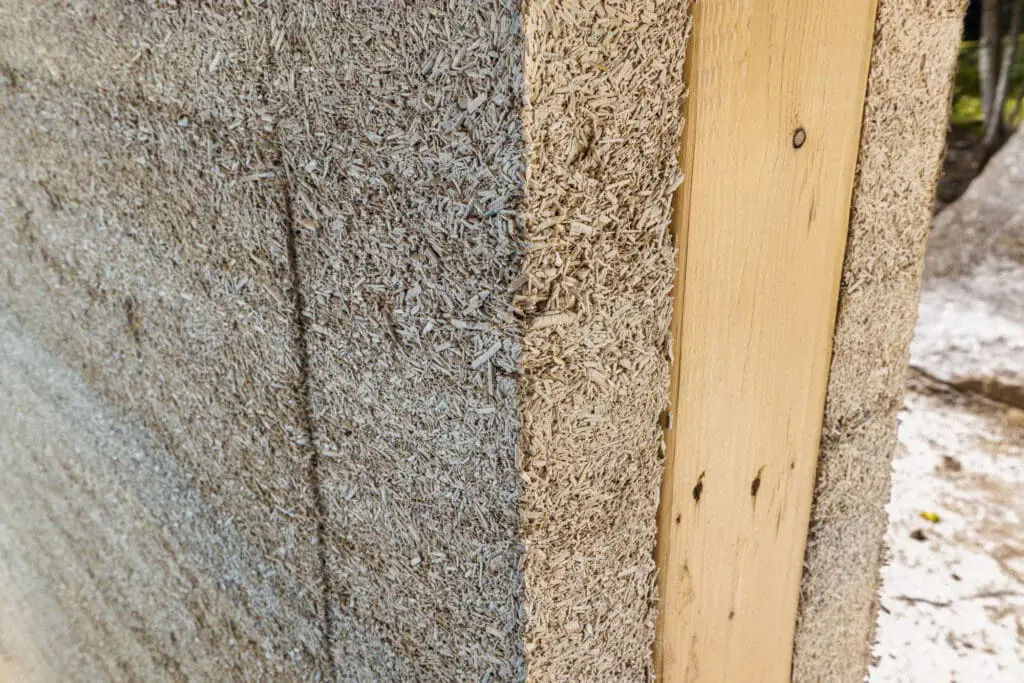
Recent advances in green construction have introduced new sustainable fence materials options derived from agricultural waste and bio-based composites. These products often utilize byproducts like rice husks, straw, or hemp fibers, transforming what would otherwise be discarded into durable building materials.
For example, using agricultural waste building materials in fencing can support circular construction practices and reduce reliance on virgin resources. Many of these solutions are still emerging but show great promise for the future of eco-friendly landscaping.
Research published in ScienceDirect highlights the environmental advantages of bio-based construction materials, including reduced greenhouse gas emissions and improved resource efficiency.
Metal and Stone: Responsible Sourcing Matters
While metal and stone are not always the first materials that come to mind for eco-friendly fencing, they can be sustainable when sourced and installed responsibly. Recycled steel or aluminum fences offer strength and recyclability at the end of their lifespan. Natural stone, when locally quarried, minimizes transportation emissions and provides a long-lasting, maintenance-free boundary.
To maximize sustainability, choose suppliers committed to ethical sourcing and environmental stewardship. Pairing metal or stone with plantings can also soften their appearance and enhance biodiversity in your yard.
Tips for Selecting the Best Green Fence for Your Yard
- Assess your site conditions: Consider sun exposure, soil type, and climate to choose materials that will thrive and last.
- Prioritize local materials: Sourcing locally reduces transportation emissions and supports your regional economy.
- Check certifications: Look for FSC-certified wood, recycled content labels, or third-party sustainability certifications.
- Plan for maintenance: Some options, like living fences, require more care, while composites and metals are largely hands-off.
- Think long-term: Investing in durable, low-maintenance materials reduces replacement needs and waste over time.
Comparing Popular Eco-Friendly Fencing Materials
| Material | Renewability | Maintenance | Lifespan | Unique Benefits |
|---|---|---|---|---|
| Bamboo | Highly renewable | Low to moderate | 10–15 years | Fast-growing, natural look |
| Recycled Composite | Uses recycled content | Very low | 20+ years | Durable, rot-resistant |
| Living Fence | Fully renewable | Moderate to high | Varies by species | Wildlife habitat, air purification |
| Bio-Based Composites | Renewable/agricultural waste | Low to moderate | 10–20 years | Circular economy, innovative |
| Recycled Metal | Recyclable | Very low | 30+ years | Strong, modern appearance |
Frequently Asked Questions
What makes a fencing material truly sustainable?
A truly sustainable fencing material is one that is renewable, responsibly sourced, and has a low environmental impact throughout its lifecycle. This includes production, transportation, installation, and eventual disposal or recycling. Materials that use recycled content or agricultural byproducts, such as those discussed in eco friendly foundation materials, are excellent examples.
Are recycled composite fences safe for pets and children?
Yes, most recycled composite fences are designed to be non-toxic and free from harmful chemicals. They are also splinter-free, making them a safe choice for families with pets and young children. Always verify with the manufacturer that no hazardous additives are used in the product.
How do living fences compare to traditional wood or metal fences?
Living fences offer environmental benefits such as carbon sequestration, habitat creation, and natural beauty. However, they require more time to establish and ongoing maintenance like pruning and watering. Traditional wood or metal fences provide immediate privacy and structure but may not offer the same ecological advantages unless sourced sustainably.
By considering these sustainable fence materials options, you can create a boundary that not only defines your space but also reflects your commitment to a greener, healthier environment. Whether you choose bamboo, recycled composites, living plants, or innovative bio-based materials, your eco-friendly yard will stand as a testament to responsible design and thoughtful stewardship.