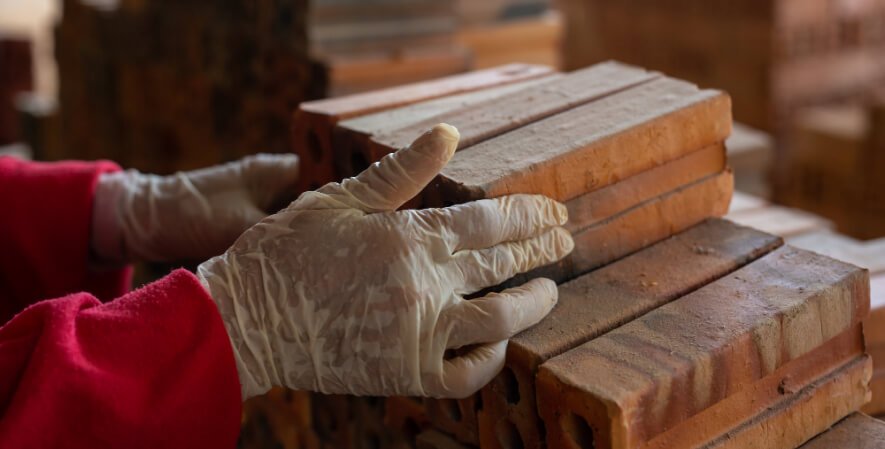
The building industry is undergoing a transformation as sustainability and resource efficiency become top priorities. One of the most promising developments is the use of agricultural waste building materials in construction. By converting crop residues and other agricultural byproducts into useful materials, the sector is moving closer to a truly circular economy, where waste is minimized and resources are kept in use for as long as possible.
These innovative materials not only reduce the environmental impact of construction but also offer new opportunities for farmers, manufacturers, and builders. This article explores the types, benefits, and challenges of using agricultural byproducts in building, and how they contribute to circular construction practices.
For those interested in related sustainable solutions, you may want to learn more about slag cement construction uses and how industrial byproducts are being repurposed in modern concrete mixes.
What Are Agricultural Waste Building Materials?
Agricultural waste building materials are products made from the byproducts of farming and food production. Instead of burning, landfilling, or otherwise disposing of these residues, they are processed and transformed into usable construction materials. Common sources include rice husks, wheat straw, coconut coir, bagasse (sugarcane residue), and even corn stalks.
These materials can be used in a variety of applications, such as insulation, panels, bricks, boards, and even structural components. Their adoption supports the principles of circular construction by keeping valuable resources in use and reducing the need for virgin raw materials.
Types of Building Materials Made from Agricultural Waste
The range of products available from agricultural byproducts is expanding rapidly. Here are some of the most notable examples:
- Straw Bale Construction: Straw bales, typically made from wheat, rice, or barley straw, are used as insulating blocks within wall systems. They offer excellent thermal performance and are biodegradable.
- Rice Husk Ash Concrete: Rice husks, when burned, produce an ash rich in silica. This ash can be used as a supplementary cementitious material in concrete, improving strength and reducing the carbon footprint.
- Bagasse Boards: The fibrous residue left after extracting juice from sugarcane (bagasse) can be pressed into boards for wall panels, ceilings, and furniture.
- Coconut Coir Panels: Coconut husk fibers are strong and durable, making them suitable for lightweight panels and insulation.
- Mycelium Composites: While not strictly agricultural waste, mycelium (fungal roots) can be grown on agricultural byproducts to create biodegradable bricks and panels.
These materials are often combined with natural binders or resins to enhance their properties and durability.
Benefits of Using Agricultural Byproducts in Construction
There are several compelling reasons to use agricultural waste building materials in the built environment:
- Reduced Environmental Impact: Utilizing agricultural residues diverts waste from landfills and open burning, lowering greenhouse gas emissions and pollution.
- Lower Carbon Footprint: Many of these materials require less energy to produce compared to traditional options like concrete or steel, resulting in a smaller carbon footprint.
- Resource Efficiency: By making use of what would otherwise be discarded, these materials support a more efficient and circular use of resources.
- Economic Opportunities: Farmers and rural communities can benefit from new revenue streams by supplying agricultural byproducts to manufacturers.
- Improved Indoor Air Quality: Many natural materials are low in volatile organic compounds (VOCs), contributing to healthier indoor environments.
Incorporating these products into construction projects aligns with green building certifications and can help meet sustainability goals.
Challenges and Considerations
Despite their advantages, there are some challenges to wider adoption of agricultural byproduct-based materials:
- Consistency and Quality: Agricultural residues can vary in composition depending on crop type, season, and location, which may affect product performance.
- Durability: Some materials may be more susceptible to moisture, pests, or decay if not properly treated or protected.
- Building Codes and Standards: Many regions lack clear standards or codes for these innovative materials, making approval and certification more complex.
- Supply Chain Logistics: Collecting, transporting, and processing agricultural waste at scale requires coordinated infrastructure and investment.
Ongoing research and pilot projects are helping to address these issues, making it easier for architects and builders to specify these materials with confidence.
How Agricultural Waste Supports Circular Construction
The concept of circular construction is built on the idea of designing out waste, keeping materials in use, and regenerating natural systems. Agricultural waste building materials fit perfectly into this model by:
- Closing the loop between agriculture and construction, turning waste into valuable resources.
- Reducing reliance on non-renewable materials and minimizing extraction of new raw materials.
- Encouraging design for disassembly and reuse, as many of these materials are biodegradable or recyclable at end-of-life.
For builders interested in further reducing the environmental impact of concrete, exploring low cement concrete alternatives and sustainable concrete mix design can complement the use of agricultural byproduct-based materials.
Examples of Projects and Applications
Several real-world projects have demonstrated the potential of using agricultural residues in construction:
- Residential homes built with straw bale walls, offering excellent insulation and low embodied energy.
- Commercial buildings using rice husk ash concrete for slabs and structural elements.
- Schools and community centers constructed with bagasse boards and coconut coir panels for interior finishes.
- Innovative startups creating mycelium-based bricks grown on agricultural waste for modular construction.
These projects highlight the versatility and performance of these materials in a range of climates and building types.
Comparing Agricultural Waste Materials to Other Green Options
While agricultural byproduct-based materials are gaining traction, they are part of a broader movement toward sustainable construction. Other options include recycled steel, reclaimed wood, and industrial byproduct-based products such as industrial waste building materials and geopolymer concrete benefits. Each material has its own strengths and best-use scenarios, but agricultural waste options stand out for their renewability and potential for carbon sequestration.
For a comprehensive overview of eco-friendly options, see this list of sustainable building materials that covers both agricultural and non-agricultural alternatives.
Frequently Asked Questions
Are agricultural waste building materials safe and durable?
When properly processed and treated, materials made from agricultural residues can be both safe and durable. Many products undergo rigorous testing to meet building codes and standards. However, it is important to consider moisture protection and pest resistance during design and installation.
How do these materials compare in cost to traditional options?
The cost of agricultural byproduct-based materials varies depending on local availability, processing technology, and scale of production. In some regions, they can be more affordable due to the abundance of raw materials. As production scales up and supply chains mature, costs are expected to become even more competitive.
Can these materials be used in all types of construction?
Many agricultural waste-based products are suitable for residential, commercial, and institutional buildings. Their use in structural applications may be limited by local codes and engineering requirements, but they are widely used for insulation, panels, and non-load-bearing elements.
Conclusion
The adoption of agricultural waste building materials is a significant step toward a more sustainable and circular construction industry. By turning farm byproducts into valuable resources, the sector can reduce its environmental impact, support rural economies, and create healthier buildings. As research and innovation continue, these materials are poised to play an even greater role in the future of green building.