Earth based construction techniques are gaining renewed attention as the world seeks sustainable, healthy, and cost-effective ways to build. These methods, rooted in centuries-old traditions, use natural materials like soil, clay, straw, and timber to create structures that are energy-efficient and environmentally friendly. As modern builders and homeowners look for alternatives to conventional construction, exploring these time-tested approaches offers both ecological and practical benefits.
From adobe and rammed earth to cob and compressed earth blocks, these natural building methods are being adapted with new technologies and design sensibilities. They not only reduce the carbon footprint of construction but also promote healthier indoor environments. For those interested in innovative yet traditional solutions, learning about these approaches is a step toward more responsible building practices.
For those interested in advanced sustainable mixes, exploring sustainable concrete mix design can complement natural building strategies and further reduce environmental impact.
Why Choose Natural Building Methods?
Opting for earth based construction techniques offers a range of advantages. These methods use locally available resources, which minimizes transportation emissions and supports regional economies. Earth-based materials are often non-toxic, improving indoor air quality and reducing health risks associated with synthetic building products.
Additionally, structures built with earth and other natural materials tend to have excellent thermal mass, helping to regulate indoor temperatures and reduce energy consumption. Maintenance and repair are typically straightforward, as materials can often be sourced or produced on-site. These factors make earth-based methods both environmentally and economically attractive for new builds and renovations alike.
Key Types of Earth Construction
Several distinct techniques fall under the umbrella of natural building. Each has unique characteristics, strengths, and best-use scenarios. Below are some of the most prominent:
Adobe: Sun-Dried Simplicity
Adobe construction uses bricks formed from a mixture of clay, sand, water, and organic materials like straw. These bricks are sun-dried rather than kiln-fired, making the process energy-efficient. Adobe walls are thick, providing excellent insulation and thermal mass. This method is especially popular in arid and semi-arid regions, where the climate supports the drying process and the finished buildings remain comfortable year-round.
Rammed Earth: Compressed Strength
Rammed earth involves compacting a damp mixture of soil, sand, gravel, and sometimes stabilizers (like lime or cement) into forms to create solid walls. The result is a dense, durable structure with a distinctive layered appearance. Rammed earth is valued for its longevity, fire resistance, and ability to moderate indoor temperatures. Modern adaptations may use mechanical tampers and engineered stabilizers to enhance strength and weather resistance.
Cob: Sculpted by Hand
Cob is a hand-formed mixture of clay, sand, straw, and water. Builders shape the material directly into walls, allowing for organic curves and creative designs. Cob homes are known for their beauty, flexibility, and low environmental impact. The thick walls provide insulation and thermal mass, while the use of natural plasters helps maintain breathability and moisture balance.
Compressed Earth Blocks (CEB): Modern Precision
Compressed earth blocks are made by pressing a mixture of soil and stabilizers into uniform blocks using a mechanical press. This technique combines the sustainability of earthen materials with the efficiency of modular construction. CEBs can be produced on-site, reducing transportation costs and emissions. They are suitable for load-bearing walls and can be finished with natural or conventional plasters.
Integrating Timber and Other Natural Materials
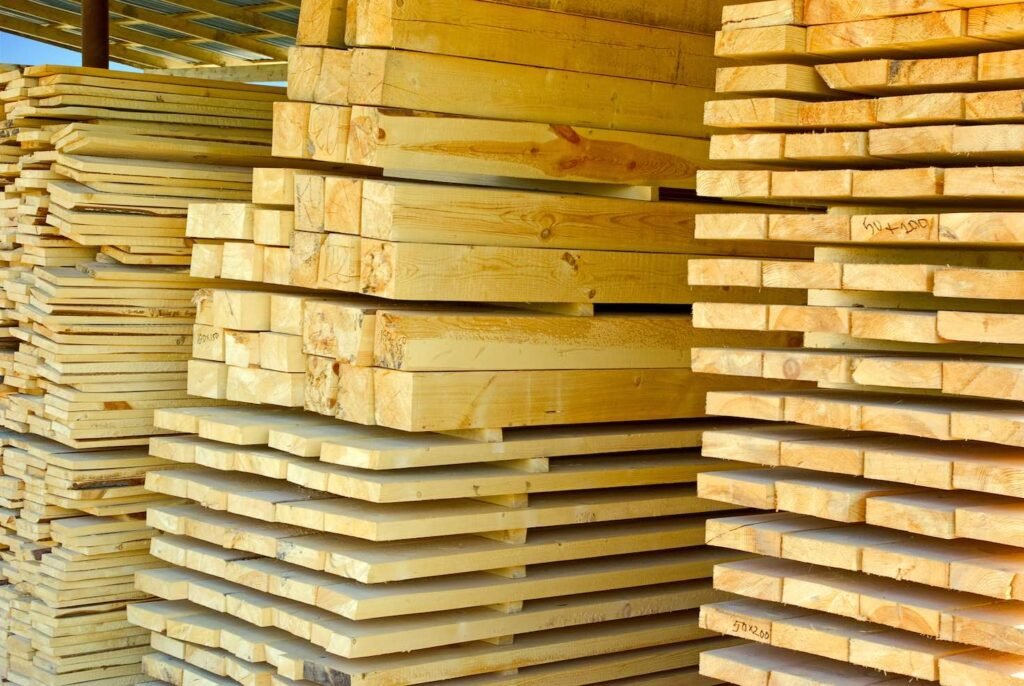
While soil-based methods are central to natural building, timber and plant-based materials also play a vital role. Timber frames can provide structural support for earthen walls, while bamboo, straw, and reeds are often used for insulation, roofing, or reinforcement. Using responsibly sourced wood and plant products further enhances the sustainability profile of a building project.
For builders interested in reducing cement usage, exploring low cement concrete alternatives can complement earth-based strategies and lower the overall carbon footprint of a project.
Modern Innovations in Earth Construction
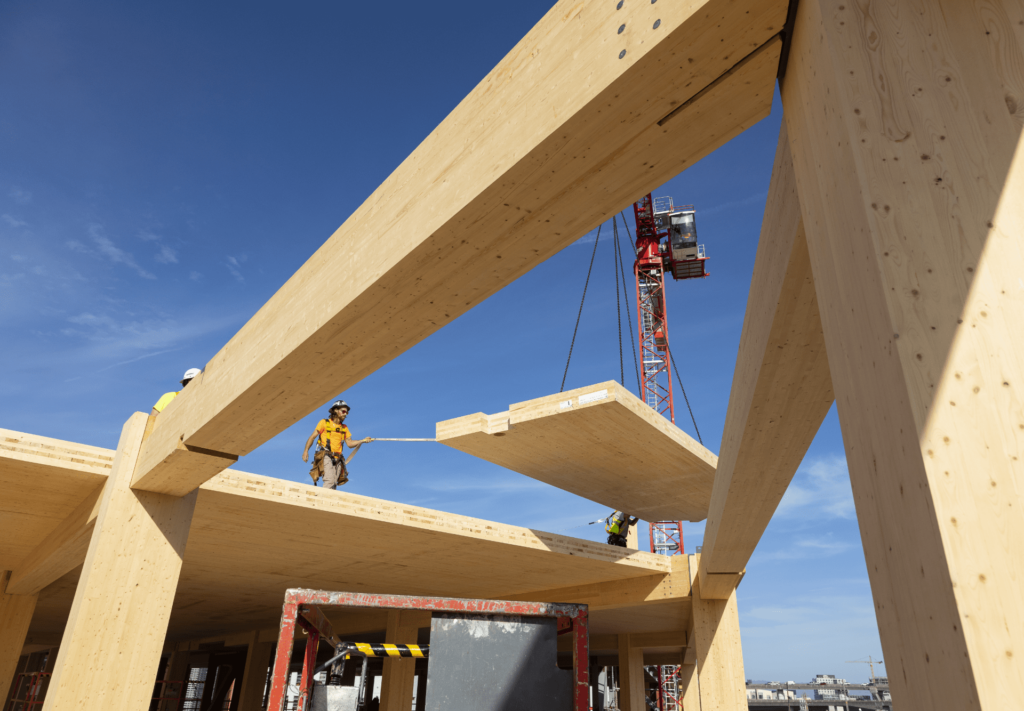
Contemporary builders are combining earth based construction techniques with modern engineering and design tools. Stabilizers such as lime or small amounts of cement can improve strength and weather resistance. Prefabricated panels, modular blocks, and advanced moisture barriers allow for greater flexibility and faster construction times. These innovations make it possible to use earth-based methods in a wider range of climates and building types.
Additionally, integrating recycled materials—such as reclaimed wood or industrial byproducts—can further reduce environmental impact. For example, incorporating industrial waste building materials into natural construction can create hybrid solutions that are both sustainable and durable.
Environmental and Health Benefits
Natural building methods offer significant ecological advantages. By using abundant, renewable, or recycled materials, these techniques reduce the demand for energy-intensive products like concrete and steel. Structures made from earth and plant-based materials are often biodegradable at the end of their lifespan, minimizing landfill waste.
From a health perspective, earth-based walls regulate humidity, filter indoor air, and avoid off-gassing of harmful chemicals. This creates comfortable, healthy living spaces that support occupant well-being. For those aiming to build or renovate with a focus on sustainability, these methods are a compelling option.
Challenges and Considerations
Despite their many benefits, earth-based methods do present some challenges. Proper site selection, soil testing, and design are crucial to ensure structural integrity and longevity. In some regions, building codes may not fully accommodate natural techniques, requiring additional engineering or advocacy. Moisture management is another key concern, as improper detailing can lead to erosion or mold.
However, with careful planning and the right expertise, these obstacles can be overcome. Many modern projects successfully blend traditional wisdom with contemporary standards to create safe, durable, and beautiful buildings.
Resources and Further Reading
For those interested in learning more, there are numerous books, workshops, and online resources dedicated to natural building. Organizations and communities around the world share knowledge and support for those looking to adopt these methods. Exploring future trends in sustainable building materials can also provide inspiration for integrating earth-based approaches with other green technologies.
Builders and designers may also want to investigate the benefits of geopolymer concrete as a complementary technology for high-strength, low-carbon construction.
Frequently Asked Questions
Are earth-based homes durable in wet climates?
With proper design, detailing, and maintenance, earth-based homes can perform well in wet regions. Techniques such as wide roof overhangs, raised foundations, and the use of stabilizers help protect against moisture. However, site-specific planning and expert consultation are essential to ensure long-term durability.
How do earth construction methods compare to conventional building in terms of cost?
Initial costs for earth-based construction can be similar to or lower than conventional methods, especially when local materials and labor are used. Long-term savings often come from reduced energy bills and lower maintenance requirements. However, costs can vary depending on location, design complexity, and code requirements.
Can earth-based techniques be used for modern, multi-story buildings?
While traditionally used for single-story homes, modern engineering has enabled the use of earth-based materials in multi-story and commercial structures. Techniques such as compressed earth blocks and rammed earth, combined with reinforced frames, allow for greater height and structural complexity.