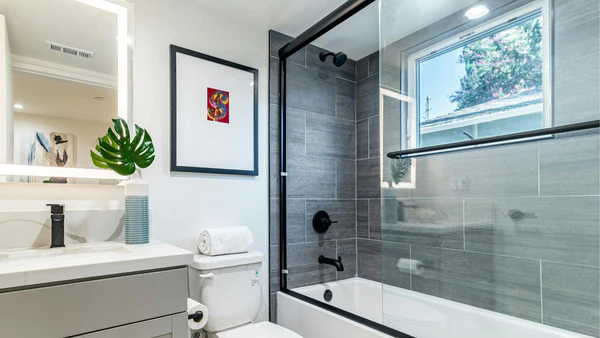
Choosing the right shower tile patterns can dramatically transform the look and feel of your bathroom. Whether you’re planning a full renovation or a simple refresh, the layout and style of your tiles play a crucial role in setting the tone for your space. From classic arrangements to bold, modern designs, the possibilities are nearly endless. This guide explores a variety of tile layouts, tips for selecting the best pattern for your needs, and practical advice to help you achieve a bathroom that’s both beautiful and functional.
Before diving into popular tile arrangements, it’s important to consider how your choice will impact not only the aesthetics but also the maintenance and longevity of your bathroom. For more on keeping your new space in top condition, check out these bathroom renovation maintenance tips to protect your investment.
Why Tile Layout Matters in Showers
The arrangement of tiles in your shower isn’t just about looks—it affects how spacious, clean, and inviting your bathroom feels. Strategic use of tile patterns for showers can make a small space appear larger, highlight architectural features, or create a calming retreat. The right pattern can also minimize grout lines, making cleaning easier and reducing the risk of mold buildup.
For those working with limited space, using creative layouts can maximize every inch. If you’re interested in optimizing your bathroom’s footprint, you might also find value in these tips for maximizing small bathroom space with smart design choices.
Popular Shower Tile Arrangements
Let’s explore some of the most popular and effective ways to arrange tiles in the shower area. Each pattern offers unique visual effects and works best with certain tile shapes and sizes.
Classic Subway Layout
The traditional brick or subway layout is a timeless choice, featuring rectangular tiles offset by half their length. This arrangement is versatile, easy to install, and works well in both modern and vintage-inspired bathrooms. The staggered lines create a sense of movement and can help elongate the walls, making the shower feel more spacious.
Herringbone and Chevron Styles
For those seeking a more dynamic visual impact, herringbone and chevron layouts are excellent options. Herringbone involves placing rectangular tiles at right angles to create a zigzag pattern, while chevron uses angled cuts to form a continuous V shape. Both arrangements add movement and sophistication, especially when paired with contrasting grout colors.
Vertical Stacking for Modern Appeal
Stacking tiles vertically, rather than horizontally, is a trend that brings a contemporary feel to the shower. This pattern draws the eye upward, making ceilings appear higher and the space more open. It’s particularly effective with narrow, elongated tiles and can be combined with bold color choices for a striking effect.
Geometric and Mosaic Options
Beyond classic layouts, geometric and mosaic patterns offer endless creative possibilities. Hexagonal tiles, penny rounds, and intricate mosaics can serve as a focal point or add subtle texture to the shower area. These designs often work well as accent walls or niches, providing visual interest without overwhelming the space.
Large Format Tiles for a Seamless Look
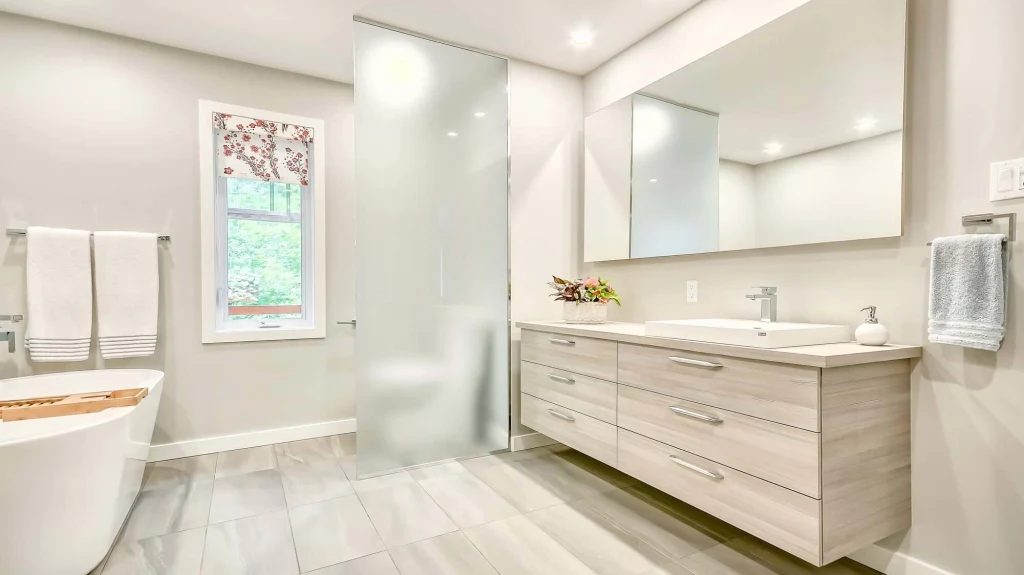
Using oversized tiles in the shower can create a seamless, spa-like environment. Fewer grout lines mean less maintenance and a cleaner appearance. Large tiles are ideal for minimalist designs and can make even compact showers feel more expansive. When selecting this option, ensure your walls are properly prepared to support the weight and size of the tiles.
Tips for Selecting the Best Pattern
- Consider the size of your shower: Smaller spaces benefit from lighter colors and patterns that elongate the room, while larger showers can handle bolder designs.
- Think about maintenance: Intricate mosaics may require more cleaning, while larger tiles with fewer grout lines are easier to keep spotless.
- Coordinate with existing fixtures: Match your tile layout to the style of your vanity, lighting, and hardware for a cohesive look.
- Sample before committing: Lay out sample tiles in your space to see how the pattern interacts with light and other elements.
For those planning a full remodel, accurate measurements are essential. Refer to this guide on measuring bathroom space correctly to ensure your tile order is spot on and avoid costly mistakes.
Common Mistakes to Avoid
Even the most beautiful tile can fall flat if installed incorrectly. Here are some pitfalls to watch out for:
- Ignoring waterproofing: Always ensure proper waterproofing behind your tiles to prevent long-term damage.
- Poor planning of grout lines: Misaligned grout lines can disrupt the flow of your pattern and make the space look unfinished.
- Overcomplicating the design: Sometimes, less is more. Too many patterns or colors can make the shower feel cluttered.
- Skipping professional help for complex layouts: Intricate patterns like herringbone or mosaics often require expert installation for best results.
For more advice on avoiding renovation pitfalls, see this comprehensive list of common bathroom renovation mistakes.
Budgeting and Material Planning
Before finalizing your tile selection, it’s wise to estimate your material needs and budget. Using a bathroom renovation material calculator can help you avoid over-ordering or running short mid-project. Factor in extra tiles for cuts and future repairs, especially if you choose a pattern that requires precise alignment.
Frequently Asked Questions
What is the most popular shower tile pattern right now?
Currently, herringbone and vertical stacked layouts are trending due to their modern appeal and ability to make spaces feel larger. Classic subway arrangements remain a favorite for their timeless look and versatility.
How do I choose the right tile size for my shower?
Consider the size of your shower and the effect you want to achieve. Large format tiles can make a small shower feel more open, while smaller tiles or mosaics are great for adding texture and slip resistance to floors or accent areas.
Can I mix different tile patterns in one shower?
Yes, combining patterns—such as a bold accent wall with a simple floor—can add interest and depth. Just be sure to maintain a cohesive color palette and avoid overcrowding the space with too many competing designs.
Final Thoughts
Exploring various shower tile patterns opens up a world of design possibilities for your bathroom. Whether you prefer classic, geometric, or contemporary styles, the right layout can elevate your daily routine and add lasting value to your home. For more inspiration and hands-on ideas, consider these diy bathroom decor projects you can complete in a weekend.