Choosing the right surface for your bathroom is a decision that affects not only the look and feel of the space but also its durability, safety, and long-term value. With so many materials available, a bathroom flooring comparison is essential for homeowners planning a remodel or upgrade. Each option—tile, vinyl, laminate, natural stone, and engineered wood—offers unique advantages and drawbacks. Understanding these differences can help you select the best fit for your needs, style, and budget.
Before diving into the details, remember that the bathroom is a high-moisture environment. Prioritizing water resistance, slip safety, and ease of maintenance will ensure your investment stands the test of time. For those looking to protect their renovation, consider reviewing bathroom renovation maintenance tips to keep your new floor looking its best for years to come.
Key Factors in Bathroom Flooring Comparison
When evaluating bathroom flooring, several criteria should guide your decision. Here are the most important:
- Water Resistance: The ability to withstand moisture without warping, staining, or growing mold.
- Durability: Resistance to scratches, dents, and wear from foot traffic and dropped items.
- Slip Resistance: Safety is crucial, especially in wet environments.
- Maintenance: How easy the floor is to clean and maintain over time.
- Cost: Both initial installation and long-term upkeep expenses.
- Style and Comfort: The look, feel, and warmth underfoot.
Let’s break down the most popular materials and see how they stack up in these categories.
Tile: The Classic Choice for Bathrooms
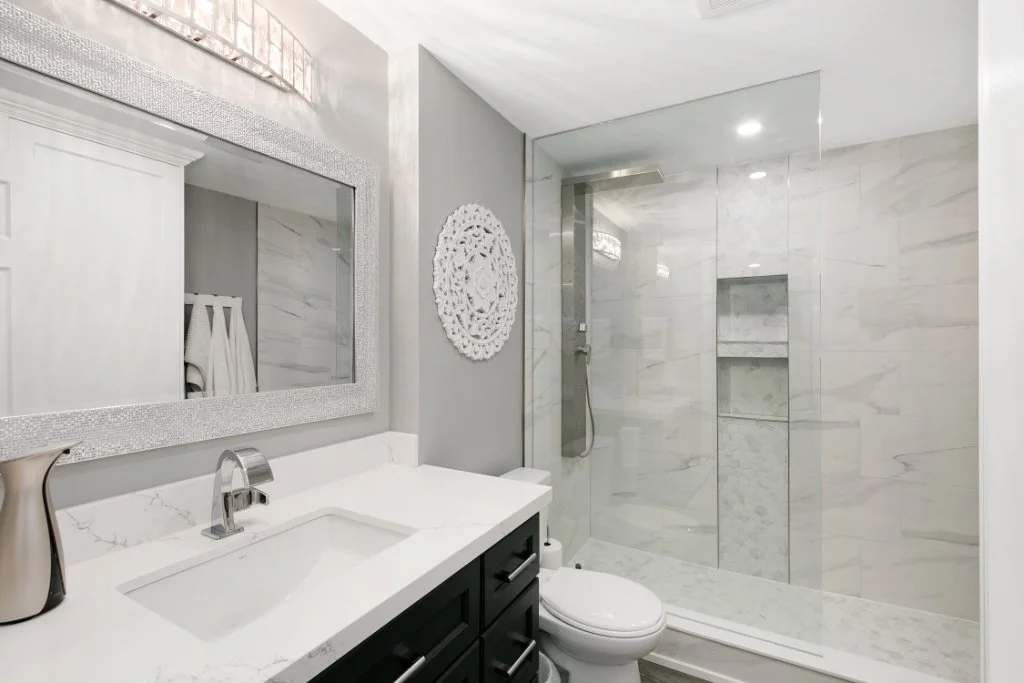
Ceramic and porcelain tiles remain the most popular option for bathroom floors. Their water resistance and design versatility make them a staple in both modern and traditional spaces.
- Pros: Highly water-resistant, available in countless colors and patterns, and easy to clean. Porcelain is denser and less porous than ceramic, making it even more suitable for wet areas.
- Cons: Can be cold and hard underfoot, which may be uncomfortable without radiant heating. Grout lines require regular cleaning to prevent staining and mildew.
- Cost: Ranges from affordable to premium, depending on the tile selected and installation complexity.
For those maximizing small spaces, tile’s reflective surface can help make a bathroom feel larger. Explore more ideas in maximizing small bathroom space for additional inspiration.
Vinyl Flooring: Affordable and Water-Resistant
Vinyl has evolved from basic sheet goods to luxury vinyl planks (LVP) and tiles (LVT) that convincingly mimic wood and stone. It’s a top contender in any bathroom flooring comparison thanks to its practicality and price point.
- Pros: Completely waterproof, soft and warm underfoot, and available in a wide range of styles. Installation is often DIY-friendly.
- Cons: Lower-end products may look less realistic and can be prone to dents or scratches. Seams in planks or tiles must be sealed to prevent water intrusion.
- Cost: Generally more budget-friendly than tile or stone, with luxury versions costing more but still less than natural materials.
Vinyl is especially appealing for families and busy households where spills and splashes are common. Its low maintenance requirements make it a practical choice for many.
Natural Stone: Luxury and Longevity
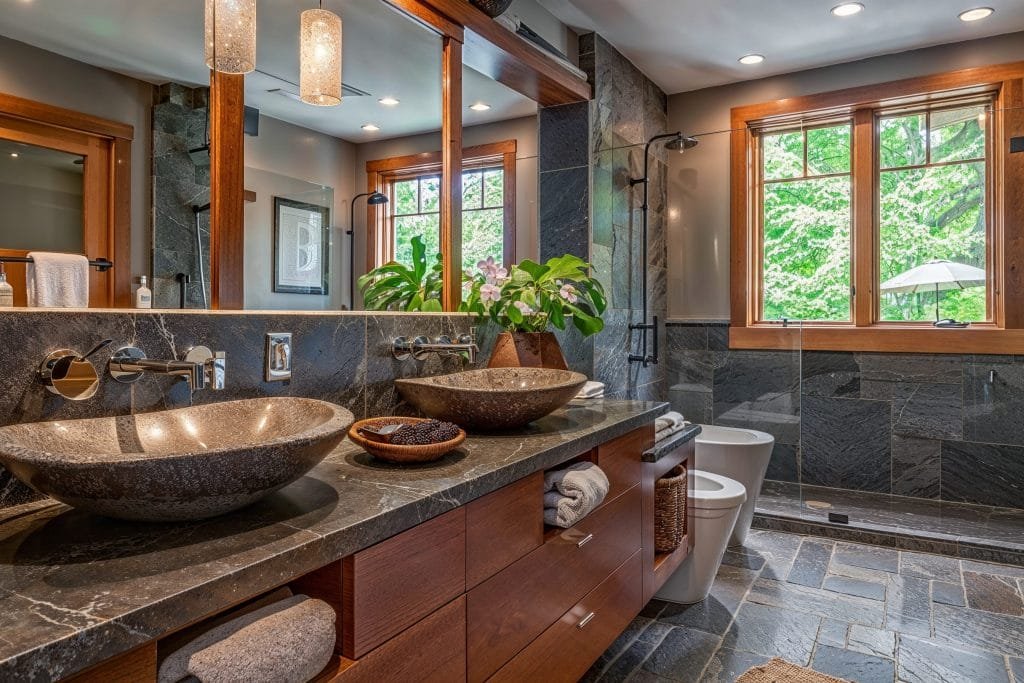
For those seeking a high-end look, natural stone such as marble, slate, or travertine brings unmatched elegance and durability. However, it comes with unique considerations.
- Pros: Extremely durable, unique patterns, and adds value to your home. Stone stays cool, which is pleasant in warm climates.
- Cons: Porous stones require sealing to prevent water damage and staining. Can be slippery when wet and cold underfoot. Installation is labor-intensive and costly.
- Cost: Among the most expensive options, both in material and installation.
If you’re considering stone, accurate measurements are crucial to avoid costly mistakes. Learn more about measuring bathroom space correctly before you order materials.
Engineered Wood and Laminate: Warmth with Caution
Wood-look floors are highly sought after for their warmth and beauty, but traditional hardwood is not recommended in wet areas. Engineered wood and water-resistant laminate offer a compromise, but with caveats.
- Pros: Attractive appearance, warmer underfoot than tile or stone, and can add value to your home. Engineered products are more stable in humid conditions than solid wood.
- Cons: Still vulnerable to water damage if moisture seeps into seams or edges. Not as durable as tile or vinyl in a bathroom setting.
- Cost: Mid-range, with engineered wood generally costing more than laminate.
If you love the look of wood, choose products specifically rated for bathroom use and ensure all seams are tightly sealed. Regular maintenance is key to preventing water intrusion.
Comparing Costs and Installation
Budget is a major factor in any renovation. Here’s a quick overview of typical price ranges for popular bathroom flooring materials (prices per square foot):
| Material | Average Cost | Installation Difficulty |
|---|---|---|
| Porcelain/Ceramic Tile | $2 – $15 | Moderate to Difficult |
| Luxury Vinyl Plank/Tile | $2 – $7 | Easy to Moderate |
| Natural Stone | $7 – $20+ | Difficult |
| Engineered Wood | $4 – $10 | Moderate |
| Laminate | $1 – $5 | Easy |
Keep in mind that labor costs can vary by region and complexity. For accurate estimates, use a bathroom renovation material calculator to plan your budget.
Maintenance and Longevity
Some surfaces require more care than others. Tile and vinyl are generally low maintenance, needing only regular sweeping and mopping. Stone must be sealed periodically, and grout lines in tile need attention to prevent mildew. Engineered wood and laminate should be kept dry and cleaned with products recommended by the manufacturer.
For tips on avoiding common pitfalls, see these bathroom remodeling mistakes to avoid before starting your project.
Which Bathroom Floor Is Best for You?
There’s no single winner in the bathroom flooring comparison. The right choice depends on your priorities:
- For maximum water resistance and easy care: Luxury vinyl or porcelain tile.
- For luxury and resale value: Natural stone.
- For warmth and comfort: Engineered wood or laminate (with caution).
- For budget-friendly renovations: Standard vinyl or laminate.
Consider your household’s needs, style preferences, and willingness to maintain the floor over time. No matter your choice, proper installation and regular upkeep will extend the life of your investment.
Frequently Asked Questions
What is the most waterproof bathroom flooring?
Porcelain tile and luxury vinyl flooring are both highly waterproof, making them top choices for bathrooms. Vinyl is especially effective in areas prone to standing water, while porcelain offers durability and a wide range of design options.
Can I use hardwood in my bathroom?
Solid hardwood is not recommended due to moisture issues. Engineered wood or water-resistant laminate can be used if installed carefully and maintained, but they are still more vulnerable to water damage than tile or vinyl.
How do I prevent slipping on bathroom floors?
Choose materials with textured surfaces or slip-resistant finishes. Many tiles are rated for slip resistance, and vinyl can be selected with anti-slip properties. Always use bath mats in high-risk areas for added safety.