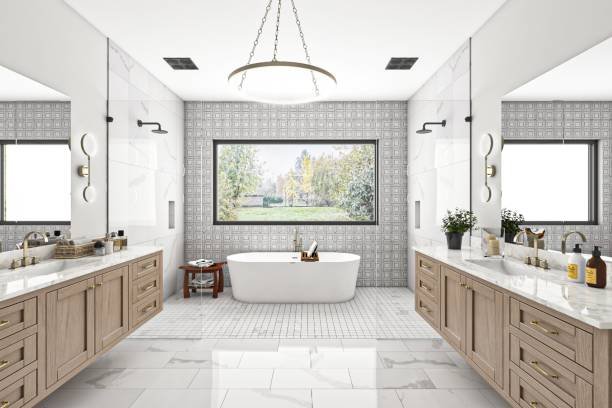
Creating a bathroom that is both functional and comfortable for wheelchair users requires careful consideration of every design element, especially the flooring. The right surface not only enhances mobility but also ensures safety, durability, and ease of maintenance. For anyone planning a renovation or building an accessible space, understanding the unique requirements of bathroom flooring for wheelchair accessibility is essential.
The ideal flooring should provide a smooth, stable surface for rolling, resist moisture, and minimize the risk of slips and falls. With a variety of materials and installation methods available, making the right choice can seem overwhelming. This article breaks down the most important factors, recommended materials, and practical tips to help you select the best option for your needs.
For a broader overview of flooring choices and how to evaluate them, you may want to consult our bathroom flooring buyer’s guide, which covers the essentials for homeowners.
Key Considerations for Accessible Bathroom Floors
When selecting surfaces for a wheelchair-friendly bathroom, several factors should guide your decision. The floor must support frequent rolling, resist water damage, and offer a non-slip finish. Here are the main points to keep in mind:
- Slip Resistance: Wet environments increase the risk of falls. Choose materials with textured or matte finishes to improve traction.
- Level Transitions: Thresholds and seams should be flush to prevent wheels from catching or causing discomfort.
- Durability: The floor should withstand repeated rolling, impacts, and cleaning without warping or wearing down quickly.
- Waterproofing: Bathrooms are high-moisture spaces. Opt for surfaces that repel water and resist mold or mildew.
- Maintenance: Easy-to-clean materials help maintain hygiene and reduce upkeep time.
Top Flooring Materials for Wheelchair-Friendly Bathrooms
Not all flooring types are suitable for accessible bathrooms. Below are some of the most recommended options, each with its own strengths and considerations for wheelchair-accessible bathroom flooring.
Luxury Vinyl Plank and Tile
Luxury vinyl flooring is a popular choice for accessible bathrooms due to its smooth surface, water resistance, and comfort underfoot. Planks and tiles are available in a range of styles, including wood and stone looks, and can be installed with minimal seams. The slight cushioning also helps reduce fatigue for anyone standing or transferring from a wheelchair.
Porcelain and Ceramic Tile
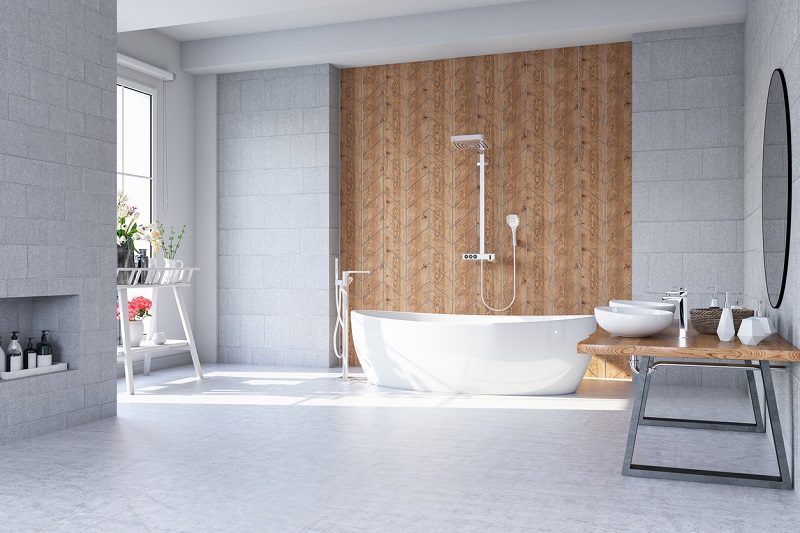
Tiles are a classic bathroom choice, offering excellent water resistance and a wide variety of design options. For wheelchair accessibility, opt for larger tiles with minimal grout lines to create a smoother rolling surface. Textured or slip-resistant finishes are crucial for safety. Proper installation is key—ensure tiles are level to avoid lippage, which can be a tripping hazard or impede wheelchair movement. For more on this, see our guide on how to avoid lippage in tile installation.
Sheet Vinyl
Sheet vinyl offers a seamless, waterproof surface that is easy to clean and maintain. Its lack of seams makes it ideal for rolling and reduces the risk of water infiltration. Modern sheet vinyl comes in a variety of patterns and can mimic the look of tile or wood, combining aesthetics with practicality.
Rubber Flooring
Rubber is naturally slip-resistant and provides a soft, forgiving surface that can cushion falls. It’s also water-resistant and easy to maintain, making it a solid choice for accessible bathrooms. However, it may not suit every design style and can sometimes be more expensive than vinyl or tile.
Important Installation Tips for Accessible Bathroom Floors
The installation process is just as important as the material itself. Here are some best practices to ensure your new floor meets accessibility needs:
- Flush Transitions: Ensure the floor is level with adjacent rooms and shower areas to allow smooth wheelchair movement.
- Professional Installation: Especially for tile and sheet vinyl, professional installers can help avoid uneven surfaces and ensure proper waterproofing.
- Grout and Seams: Use minimal grout lines and seal all seams to prevent water penetration and make cleaning easier.
- Underlayment: Consider a moisture-resistant underlayment for added protection and comfort.
Design and Style Considerations
Accessibility doesn’t mean sacrificing style. Today’s flooring options offer a range of colors, patterns, and textures to complement any bathroom design. Mixing tile styles on the floor can add visual interest while maintaining functionality; for inspiration, see our article on mixing tile styles on bathroom floor.
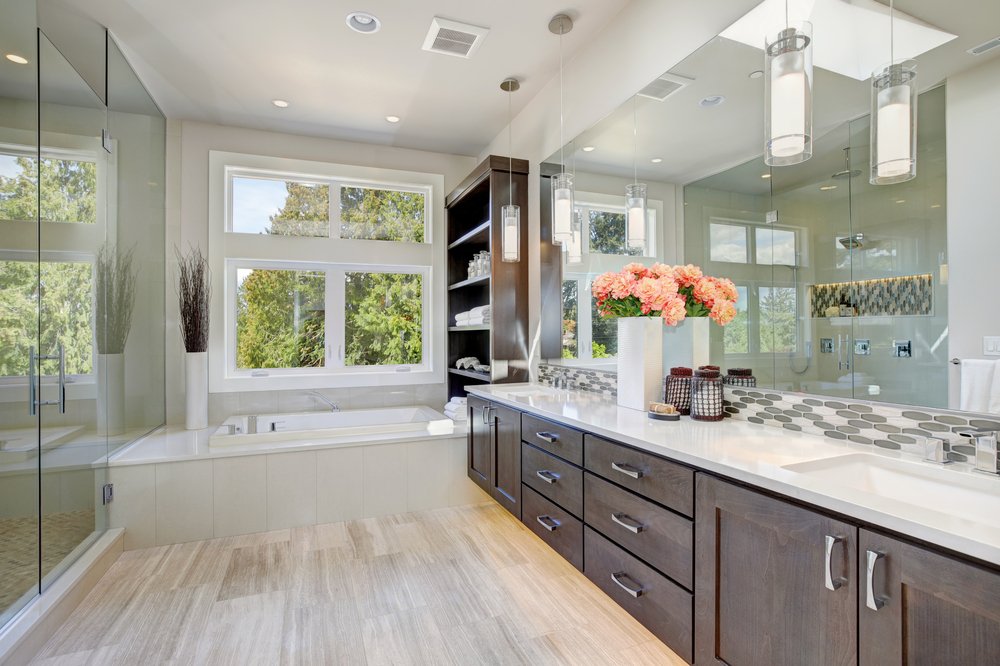
When choosing colors, lighter tones can make the space feel larger and brighter, which is especially helpful in smaller bathrooms. For more tips on maximizing small spaces, check out this comprehensive guide to transforming tiny bathrooms.
Cost and Maintenance Factors
Budget is always a consideration. Vinyl and sheet vinyl are generally more affordable, while porcelain tile and rubber can be pricier. For those seeking budget-friendly solutions, our article on most affordable bathroom flooring provides a detailed comparison of costs and value.
Maintenance should also factor into your decision. Smooth, non-porous surfaces are easier to clean and less likely to harbor bacteria or mold. Regular cleaning with mild, non-abrasive products will help keep the floor in good condition and extend its lifespan.
Frequently Asked Questions
What is the safest flooring for wheelchair users in bathrooms?
The safest surfaces are those that combine slip resistance, water resistance, and a smooth, level finish. Luxury vinyl, textured porcelain tile, and rubber flooring are all excellent choices for minimizing the risk of slips and ensuring easy movement.
How can I ensure the floor is level and accessible?
Choose materials that can be installed with minimal seams and use professional installers to guarantee a flush, even surface. Pay special attention to transitions between rooms and shower areas to avoid bumps or lips that could impede a wheelchair.
Are there stylish options for accessible bathroom floors?
Absolutely. Today’s vinyl, tile, and rubber flooring come in a wide range of colors, patterns, and textures. You can mix and match styles or opt for classic looks that blend seamlessly with your overall bathroom design.
Do I need to use special tiles for an accessible bathroom?
While you don’t need specialty tiles, it’s important to select products with slip-resistant finishes and larger formats to reduce grout lines. Proper installation is key to ensuring the surface remains safe and easy to navigate.
Conclusion
Selecting the right bathroom flooring for wheelchair accessibility is a crucial step in creating a safe and comfortable environment. By focusing on slip resistance, level transitions, durability, and style, you can design a space that meets both practical and aesthetic needs. For more guidance on choosing the right tile size, visit our article on how to choose bathroom tile size. With careful planning and the right materials, your accessible bathroom can be both beautiful and functional for years to come.