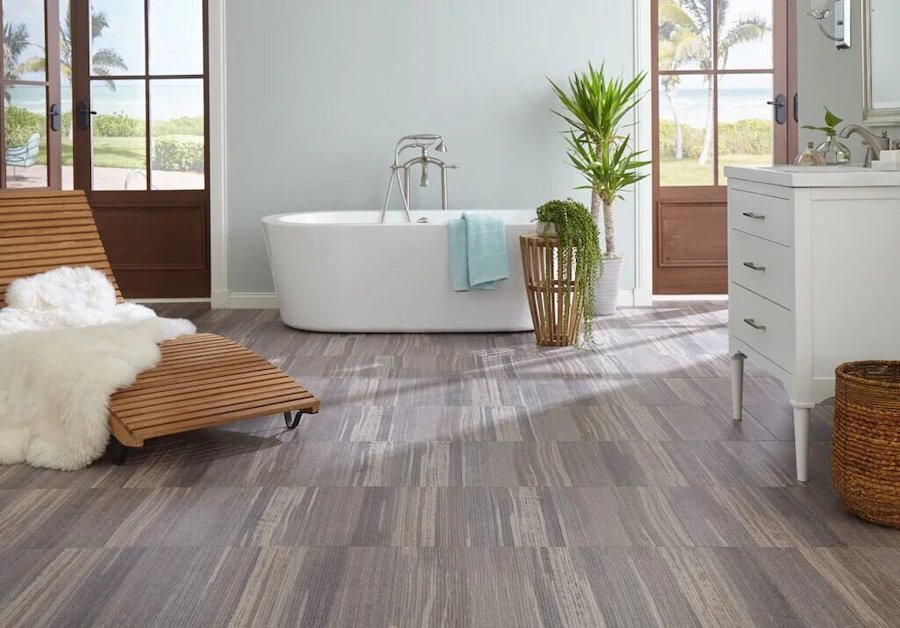
The herringbone tile bathroom floor is a timeless design choice that brings both elegance and visual interest to any bathroom. This classic pattern, characterized by its distinctive V-shaped arrangement, can transform a simple space into a sophisticated retreat. Whether you’re renovating a master bath or updating a powder room, understanding the nuances of herringbone layouts, material options, and installation tips can help you achieve a stunning result.
In this article, we’ll explore the essentials of herringbone tile layouts for bathroom flooring, discuss the benefits and challenges, and highlight practical tips for homeowners and renovators. If you’re considering other flooring options or want to compare styles, the Bathroom flooring buyer’s guide offers additional insights to help you make an informed decision.
Why Choose a Herringbone Pattern for Your Bathroom Floor?
The herringbone layout is more than just a trend; it’s a design staple that has stood the test of time. Here’s why many homeowners and designers gravitate toward this pattern:
- Visual Movement: The V-shaped arrangement draws the eye across the floor, making even small bathrooms appear more dynamic and spacious.
- Versatility: Herringbone works with a variety of tile materials, from ceramic and porcelain to marble and wood-look vinyl.
- Timeless Appeal: This pattern complements both modern and traditional interiors, ensuring your bathroom remains stylish for years to come.
- Value Addition: A well-installed herringbone floor can increase the perceived value of your home, making it a smart investment for future resale.
Popular Materials for Herringbone Tile Bathroom Floors
Selecting the right material is essential for durability and aesthetics. Here are some top choices for creating a herringbone effect in your bathroom:
- Ceramic and Porcelain: These tiles are water-resistant, easy to clean, and available in a wide range of colors and finishes.
- Natural Stone: Marble, travertine, and slate add luxury and unique veining to your floor, though they require more maintenance.
- Wood-Look Tiles: Porcelain or vinyl planks that mimic wood grain offer warmth and texture without the risk of water damage.
- Glass Tiles: For a contemporary look, glass tiles can be arranged in a herringbone pattern to reflect light and add brightness.
If you’re interested in affordable alternatives, check out the most affordable bathroom flooring options for inspiration.
Design Variations and Layout Ideas
The classic herringbone is just the beginning. Consider these creative twists to make your bathroom floor stand out:
- Double Herringbone: Pair two tiles together before laying them in the V-shape for a bolder, chunkier look.
- Diagonal Herringbone: Rotate the pattern 45 degrees to run diagonally across the room, which can make narrow spaces feel wider.
- Contrasting Grout: Use a grout color that pops against your tile to emphasize the zigzag pattern.
- Mixed Materials: Combine different tile finishes or colors for a custom, mosaic-inspired effect.
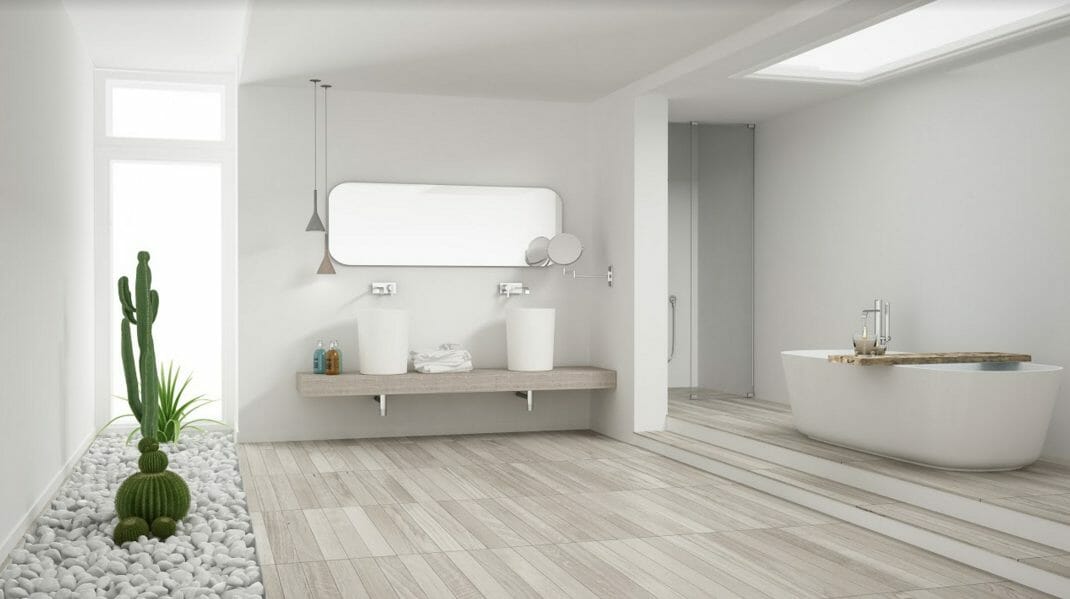
Installation Tips for Herringbone Tile Bathroom Floors
Laying tiles in a herringbone arrangement requires precision and patience. Here are some practical tips to ensure a professional finish:
- Plan Your Layout: Dry-lay your tiles to visualize the pattern and determine the best starting point, usually the center of the room or a focal wall.
- Use Tile Spacers: Consistent spacing is crucial for maintaining the integrity of the V-shaped design.
- Cut Tiles Carefully: The pattern will require angled cuts at the edges. A quality tile cutter or wet saw makes this process smoother.
- Check for Lippage: Uneven tiles can disrupt the look and feel underfoot. For guidance, see advice on how to avoid lippage in tile installation.
- Choose the Right Grout: Select a grout that complements your tile and is suitable for wet environments.
If you’re mixing tile types or sizes, review tips for mixing tile styles on bathroom floor to ensure a harmonious result.
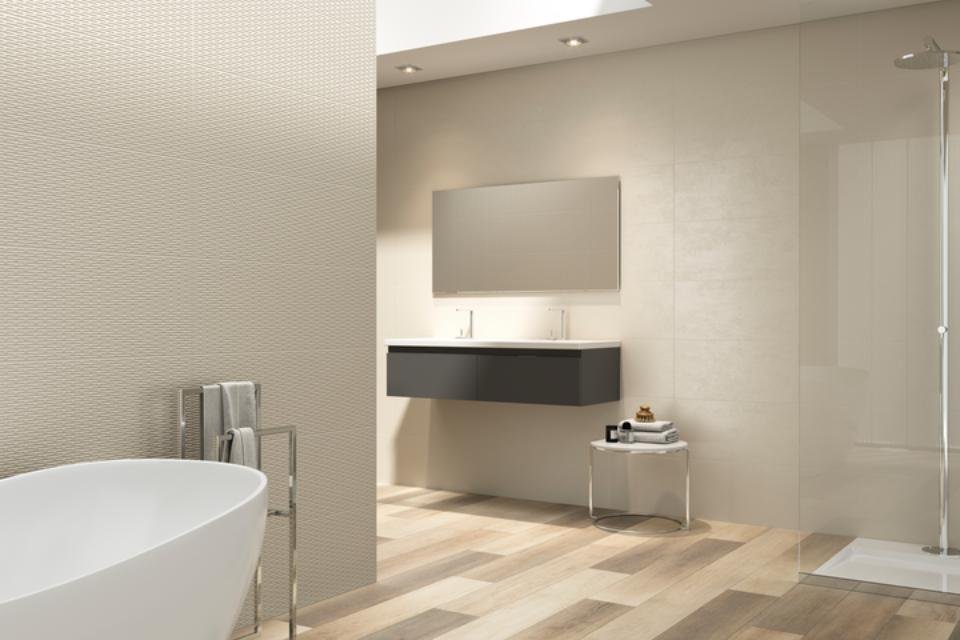
Choosing Tile Size and Color for Herringbone Layouts
The size and color of your tiles can dramatically affect the overall look of your bathroom floor. Here’s how to make the right choices:
- Tile Size: Smaller tiles create a more intricate pattern, while larger planks offer a bold, modern statement. For guidance, see how to choose bathroom tile size.
- Color Scheme: Light-colored tiles can open up a compact bathroom, while darker shades add drama and depth. Consider matching your floor with wall tiles or vanity finishes for a cohesive look.
- Finish: Matte tiles provide slip resistance, which is especially important in wet areas. Glossy finishes reflect light but may be more slippery.
Maintenance and Care for Herringbone Tile Floors
Keeping your herringbone bathroom floor looking its best is straightforward with the right approach:
- Regular Cleaning: Sweep or vacuum to remove debris, then mop with a mild cleaner suitable for your tile material.
- Seal Grout Lines: Especially for natural stone, sealing helps prevent staining and water infiltration.
- Address Spills Promptly: Wipe up water and other spills to avoid slips and maintain the integrity of your floor.
- Inspect for Damage: Periodically check for cracked tiles or grout and repair as needed to prevent further issues.
For more creative ideas and inspiration, explore unique bathroom floor ideas from design experts.
Frequently Asked Questions
Is a herringbone tile layout suitable for small bathrooms?
Yes, the herringbone pattern can make small bathrooms appear larger by creating visual movement and drawing the eye across the floor. Choosing lighter tiles and a diagonal layout can enhance this effect.
How difficult is it to install a herringbone tile floor?
While the pattern requires precise planning and cutting, experienced DIYers can tackle the project with patience and the right tools. For best results, consider hiring a professional installer, especially for intricate layouts or natural stone tiles.
What type of grout works best with herringbone bathroom floors?
Use a grout that is water-resistant and designed for bathroom use. Epoxy grout is a popular choice for its durability and stain resistance. The color can be matched to your tiles for a seamless look or contrasted to highlight the pattern.
Can I mix different tile styles in a herringbone pattern?
Absolutely. Mixing finishes, colors, or materials can create a unique and personalized floor. Just ensure the tiles are of similar thickness and size for a smooth installation.