Choosing the right flooring for your bathroom is crucial for both functionality and aesthetics. With numerous options available, it can be overwhelming to decide which material best suits your needs. This guide aims to help you navigate the various choices, considering factors such as durability, water resistance, and style.
Before diving into specific materials, it’s essential to consider the unique challenges of bathroom environments. Moisture, temperature fluctuations, and frequent cleaning are all factors that can impact your flooring choice. For more detailed cleaning tips, you might find our bathroom floor cleaning tips useful.
Popular Flooring Options
When selecting bathroom flooring, it’s important to weigh the pros and cons of each material. Here are some popular options:
Ceramic and Porcelain Tiles
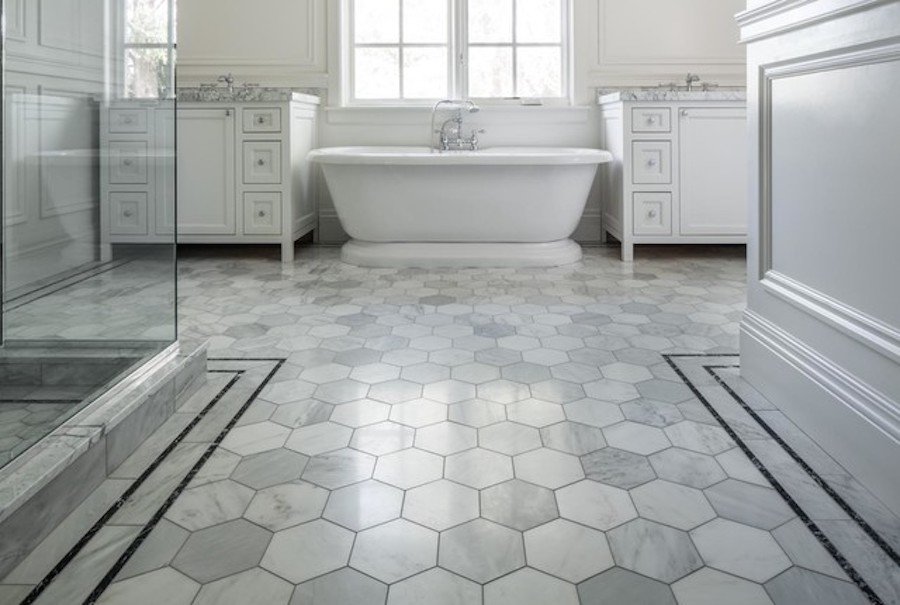
Ceramic and porcelain tiles are a classic choice for bathrooms due to their water resistance and durability. They are available in a wide range of colors and designs, allowing for customization to match any decor. However, they can be cold underfoot, so consider pairing them with underfloor heating for added comfort.
Vinyl Flooring
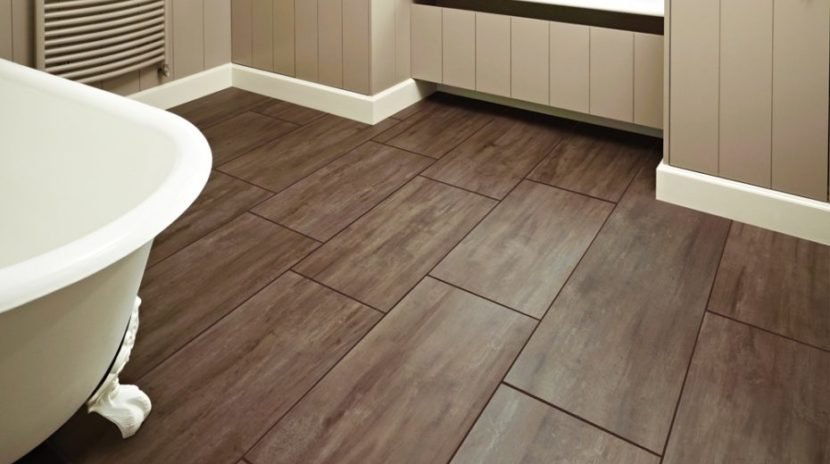
Vinyl is a versatile and budget-friendly option that offers excellent water resistance. Available in sheets, tiles, or planks, vinyl can mimic the look of more expensive materials like wood or stone. It’s also softer and warmer underfoot compared to tiles.
Natural Stone
Natural stone, such as marble or granite, offers a luxurious and timeless look. While beautiful, stone can be expensive and requires regular maintenance to prevent staining and damage from moisture. It’s also important to ensure the stone is properly sealed.
Considerations for Bathroom Flooring
When selecting flooring, consider the following factors to ensure you make the best choice for your bathroom:
- Water Resistance: Choose materials that can withstand moisture and prevent water damage.
- Durability: Opt for flooring that can handle heavy foot traffic and resist wear and tear.
- Safety: Consider anti-slip floor treatments to prevent accidents, especially in homes with children or elderly residents.
- Style: Select a design that complements your bathroom’s overall aesthetic.
Installation and Maintenance
Proper installation and maintenance are key to ensuring your bathroom flooring lasts. Professional installation is recommended for most materials to ensure a perfect fit and finish. Regular cleaning and maintenance will help preserve the appearance and functionality of your floors. For specific cleaning advice, check out our guide on the best mop for tile floors in bathrooms.
Additionally, maintaining grout lines is crucial for tiled floors. You can learn more about this in our article on maintaining grout lines on bathroom floors.
FAQs
What is the most durable bathroom flooring?
Ceramic and porcelain tiles are among the most durable options for bathroom flooring. They are resistant to water and wear, making them ideal for high-traffic areas.
Can I use wood flooring in my bathroom?
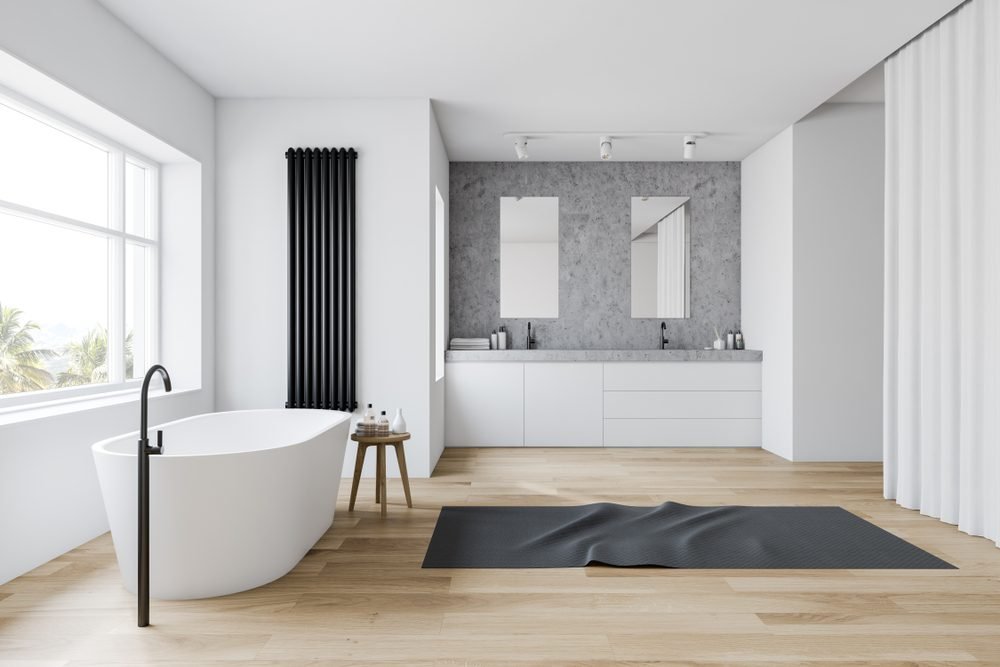
While traditional wood flooring is not recommended due to moisture issues, engineered wood or vinyl planks that mimic wood can be suitable alternatives.
How can I make my bathroom floor less slippery?
Consider using textured tiles or applying anti-slip treatments to reduce the risk of slipping.
For more information on bathroom flooring options, visit this comprehensive resource.