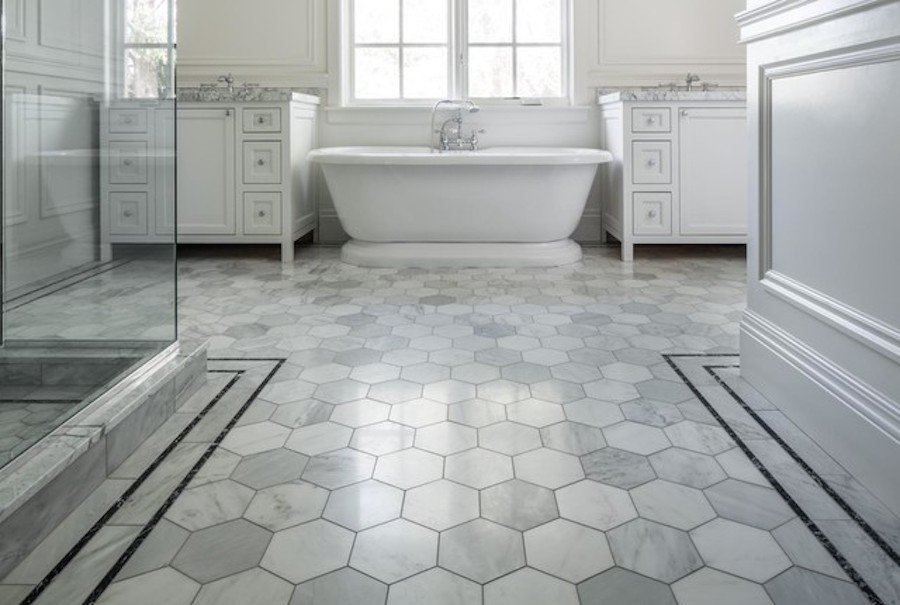
Choosing the right surface for your bathroom is more than just a style decision—it’s a matter of durability, safety, and long-term satisfaction. Many people overlook crucial details when selecting or installing floors in their bathrooms, leading to costly repairs or disappointing results. Understanding the most common bathroom flooring mistakes homeowners make can help you avoid pitfalls and ensure your renovation stands the test of time.
Whether you’re planning a full remodel or simply updating the look, it’s important to consider factors like moisture resistance, slip safety, and material compatibility. For a comprehensive overview of what to look for when shopping, the bathroom flooring buyer’s guide offers detailed advice on materials, installation, and maintenance.
Overlooking Moisture and Water Resistance
One of the most frequent bathroom flooring mistakes is underestimating the impact of water exposure. Bathrooms are high-moisture environments, and not all materials can withstand constant humidity or occasional splashes. Using wood, laminate, or carpet in these spaces can lead to warping, mold, and deterioration.
Instead, opt for surfaces specifically designed for wet areas. Porcelain and ceramic tiles, luxury vinyl, and certain types of natural stone are all excellent choices. Always check the manufacturer’s recommendations and look for products rated for bathroom use.
Poor Planning for Slip Resistance
Safety should be a top priority, especially in spaces prone to wet floors. Glossy tiles or polished stone may look appealing but can become dangerously slippery when wet. This is a common oversight that can lead to accidents.
To minimize risk, select flooring with a textured or matte finish and check the slip-resistance rating. Many manufacturers provide this information, making it easier to compare options. For more on mixing different tile types for both style and function, see the guide on mixing tile styles on bathroom floor.
Ignoring Subfloor Preparation
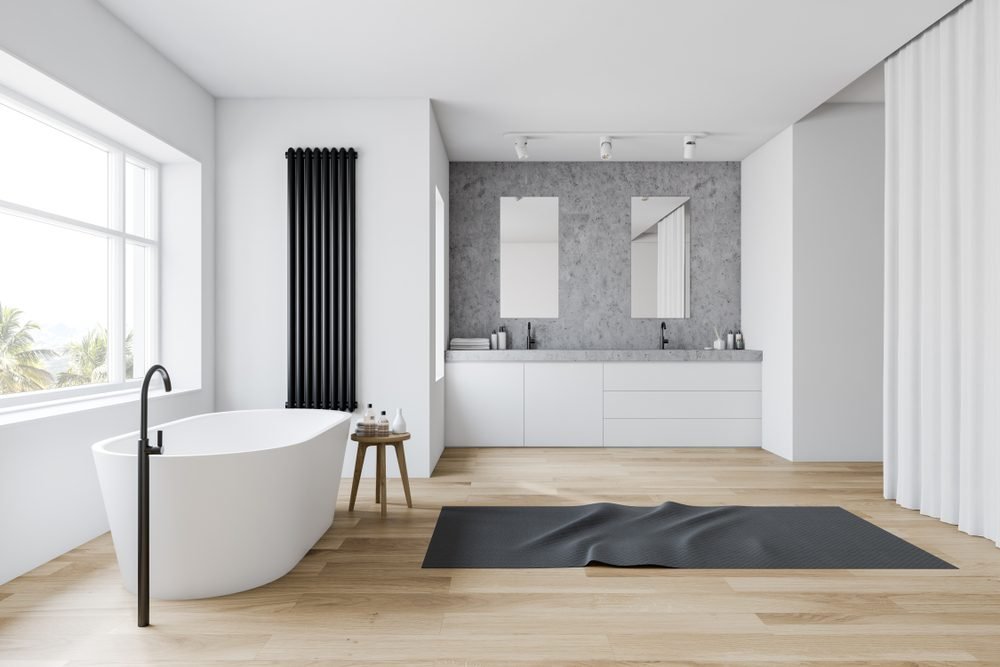
Even the best flooring can fail if installed over an uneven or unprepared subfloor. Skipping this step can result in tiles cracking, vinyl peeling, or water seeping underneath. Before laying any new surface, ensure the subfloor is dry, level, and free of debris.
For tile installations, using the right underlayment and following best practices is crucial. Learn more about preventing uneven tiles in the article on how to avoid lippage in tile installation.
Choosing the Wrong Size or Style of Tile
Selecting tiles that are too large or too small for the space can disrupt the visual balance and make cleaning more difficult. Large-format tiles may require extra care to prevent lippage, while tiny mosaics can mean more grout lines to maintain.
Consider the size of your bathroom and the overall look you want to achieve. For guidance, check out tips on how to choose bathroom tile size for your space.
Using Inappropriate Materials for Budget Reasons
Trying to save money by choosing low-cost, non-waterproof materials is a mistake that often leads to higher expenses down the road. While budget is important, prioritize surfaces that are designed for wet environments. There are affordable options that don’t compromise on quality—see the roundup of the most affordable bathroom flooring for ideas.
Improper Installation Techniques
DIY projects can be rewarding, but improper installation is a frequent source of problems. Common errors include using the wrong adhesive, skipping waterproof membranes, or failing to leave expansion gaps. These mistakes can cause tiles to crack or vinyl to lift, especially in a humid bathroom.
If you’re not confident in your skills, consider hiring a professional. If you do tackle the job yourself, follow manufacturer instructions closely and use the right tools and materials.
Neglecting Regular Maintenance
Even the most durable floors need ongoing care. Failing to clean up water promptly, letting grout lines deteriorate, or using harsh chemicals can shorten the lifespan of your bathroom surface. Establish a routine for cleaning and inspect for signs of wear or damage.
For inspiration and ideas on modern, practical surfaces, check out bathroom flooring inspiration from Karndean.
Frequently Asked Questions
What type of flooring is best for a bathroom?
The best options are those designed to handle moisture, such as porcelain or ceramic tile, luxury vinyl, and certain natural stones. These materials are water-resistant, durable, and available in a variety of styles.
How can I prevent slipping on my bathroom floor?
Choose surfaces with a textured or matte finish and check for a high slip-resistance rating. Adding bath mats in key areas can also help reduce the risk of falls.
Can I install hardwood in my bathroom?
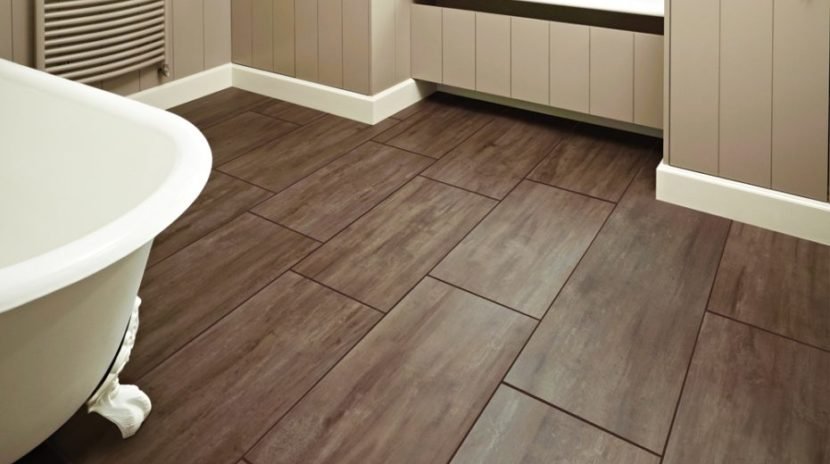
Traditional hardwood is not recommended for bathrooms due to its sensitivity to moisture. If you want a wood look, consider waterproof vinyl planks or tiles that mimic wood grain.
Conclusion
Avoiding the most common bathroom flooring mistakes homeowners make can save you time, money, and frustration. By prioritizing moisture resistance, safety, and proper installation, you’ll create a space that’s both beautiful and practical. Take the time to research your options, prepare your subfloor, and invest in quality materials for long-lasting results.