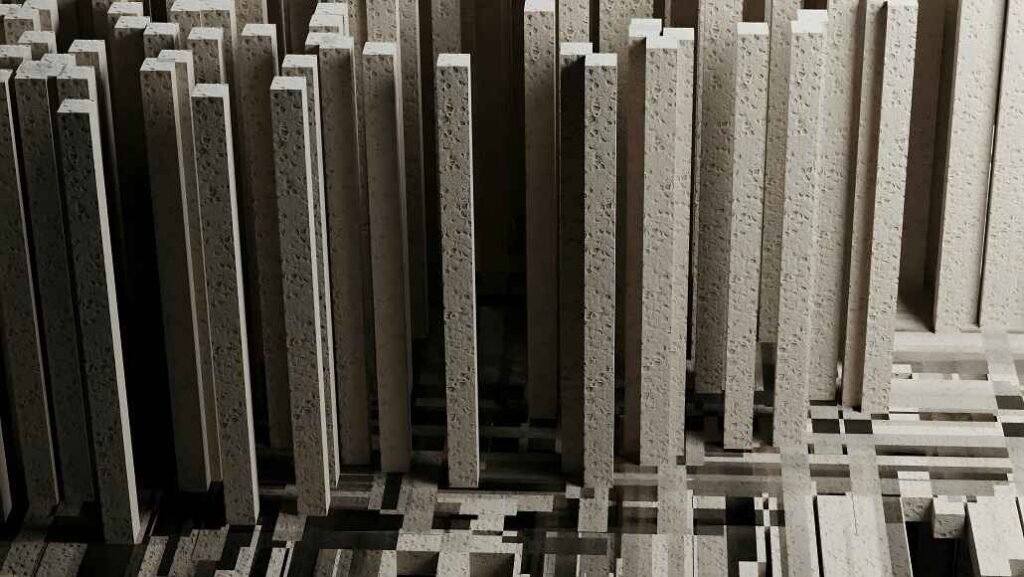
The construction sector is undergoing a transformation as it seeks more sustainable ways to build. One of the most promising developments is the use of industrial waste building materials, which turn byproducts like slag into valuable resources for modern structures. This approach not only reduces landfill waste but also conserves raw materials and lowers the environmental impact of building projects.
Slag, a byproduct from steel and metal manufacturing, is just one example of how industrial leftovers can be repurposed. By integrating such materials into concrete, bricks, and other building products, the industry is moving toward a circular economy. This shift is essential for reducing the carbon footprint of construction and supporting global sustainability goals.
For those interested in broader sustainable infrastructure solutions, our article on eco friendly bridge construction materials explores additional ways to minimize environmental impact in large-scale projects.
The Rise of Sustainable Construction with Industrial Byproducts
The use of industrial waste building materials has gained momentum as environmental regulations tighten and public awareness grows. Traditional construction relies heavily on virgin resources such as limestone, sand, and clay. However, these materials are finite and their extraction often damages ecosystems.
By contrast, industrial byproducts—like blast furnace slag, fly ash, and silica fume—are produced in huge quantities. Historically, much of this waste ended up in landfills. Today, innovative processing techniques allow these materials to be safely and efficiently incorporated into concrete, masonry, and even insulation products.
This shift not only diverts waste from disposal sites but also reduces the need for energy-intensive raw material extraction. The result is a more resource-efficient construction process that aligns with green building standards.
How Slag and Other Byproducts Are Used in Modern Building Materials
Slag is one of the most widely used industrial byproducts in construction. When processed, it can replace a significant portion of Portland cement in concrete mixes. This substitution improves the durability and strength of concrete while lowering its embodied carbon.
Other examples of repurposed industrial waste include:
- Fly ash: Sourced from coal-fired power plants, fly ash is commonly used as a supplementary cementitious material in concrete, enhancing workability and long-term strength.
- Silica fume: A byproduct of silicon metal production, silica fume increases the density and durability of concrete, making it ideal for bridges and marine structures.
- Recycled aggregates: Crushed concrete and masonry from demolition sites can be reused as aggregate in new concrete or road base layers.
These materials not only meet performance standards but also contribute to certifications like LEED and BREEAM, which reward the use of recycled and low-impact products.
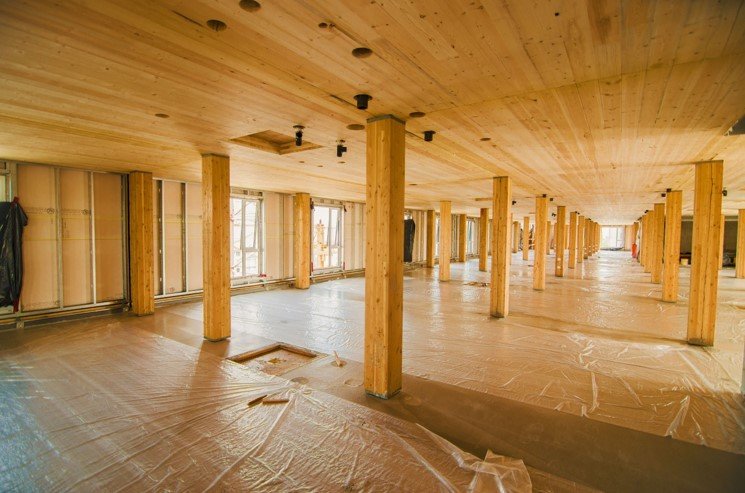
Advantages of Using Industrial Waste in Construction
Embracing industrial waste building materials offers several key benefits:
- Environmental impact reduction: Using waste byproducts reduces landfill use and cuts greenhouse gas emissions associated with raw material extraction and processing.
- Resource conservation: Repurposing industrial waste helps preserve natural resources for future generations.
- Improved material performance: Many byproducts enhance the properties of building materials, such as increasing concrete’s strength or resistance to chemicals.
- Cost savings: Sourcing waste materials can be more economical than using virgin resources, especially as disposal costs rise.
These advantages make recycled and upcycled materials an attractive option for both public and private sector projects.
Challenges and Considerations for Adoption
Despite the clear benefits, there are challenges to widespread adoption of waste-derived building materials. Quality control is paramount, as variability in byproduct composition can affect performance. Standards and certifications are evolving to address these concerns, ensuring that recycled-content products are safe and reliable.
Another consideration is public perception. Some stakeholders may be hesitant to use materials perceived as “waste.” Education and transparent reporting on the performance and safety of these products are essential for building confidence.
Finally, logistics and supply chain management play a role. Not all regions have easy access to suitable industrial byproducts, and transportation can offset some of the environmental gains if not managed efficiently.
Innovative Examples and Future Trends
The future of sustainable construction lies in continued innovation. Researchers and manufacturers are developing new ways to incorporate waste streams into high-performance building products. For instance, some companies are blending slag and fly ash with recycled plastics to create composite materials for cladding and decking.
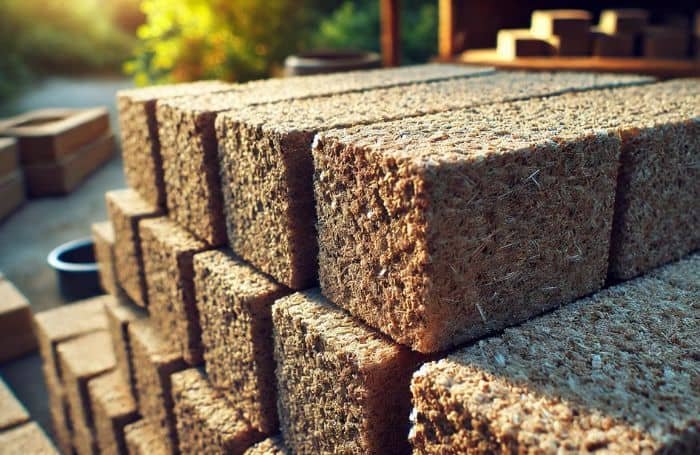
There is also growing interest in combining industrial waste building materials with bio-based resources, such as hempcrete and mass timber, to further reduce carbon emissions. These hybrid materials can offer unique combinations of strength, insulation, and sustainability.
For more on advanced materials for urban spaces, see our guide to green infrastructure materials, which covers smart solutions for city environments.
Government policies and green building certifications are expected to drive further adoption. As standards evolve, more projects will specify recycled-content products, making waste-derived materials a mainstream choice.
How to Source and Specify Waste-Based Materials
Builders and designers interested in using these materials should start by consulting suppliers with a proven track record in recycled-content products. Look for certifications such as Environmental Product Declarations (EPDs) and compliance with international standards.
It’s also important to consider the entire lifecycle of the material—from sourcing and transportation to installation and eventual reuse or recycling. This holistic approach ensures that the environmental benefits are maximized.
For those seeking more information on sustainable options, the comprehensive overview of sustainable building materials from industry experts provides valuable insights into current trends and best practices.
Finally, integrating permeable surfaces and recycled asphalt can further enhance the sustainability of infrastructure. Our article on permeable paving materials benefits explains how these solutions support better stormwater management.
FAQ: Industrial Byproducts in Construction
What are the most common types of industrial waste used in building materials?
The most widely used byproducts include blast furnace slag, fly ash, silica fume, and recycled aggregates from demolition waste. These materials are processed to meet construction standards and can replace or supplement traditional raw materials in concrete, bricks, and insulation.
Are structures built with waste-derived materials as durable as those made with traditional materials?
Yes, when properly processed and specified, waste-derived materials often match or exceed the performance of conventional products. For example, slag and fly ash can improve concrete’s strength and durability, making them suitable for demanding applications like bridges and marine structures.
How can I ensure the materials I use are safe and environmentally friendly?
Choose suppliers that provide documentation such as Environmental Product Declarations and certifications from recognized bodies. It’s also wise to review case studies and seek out projects with proven performance records. For additional guidance, explore resources like eco friendly road construction materials for best practices in sustainable sourcing.