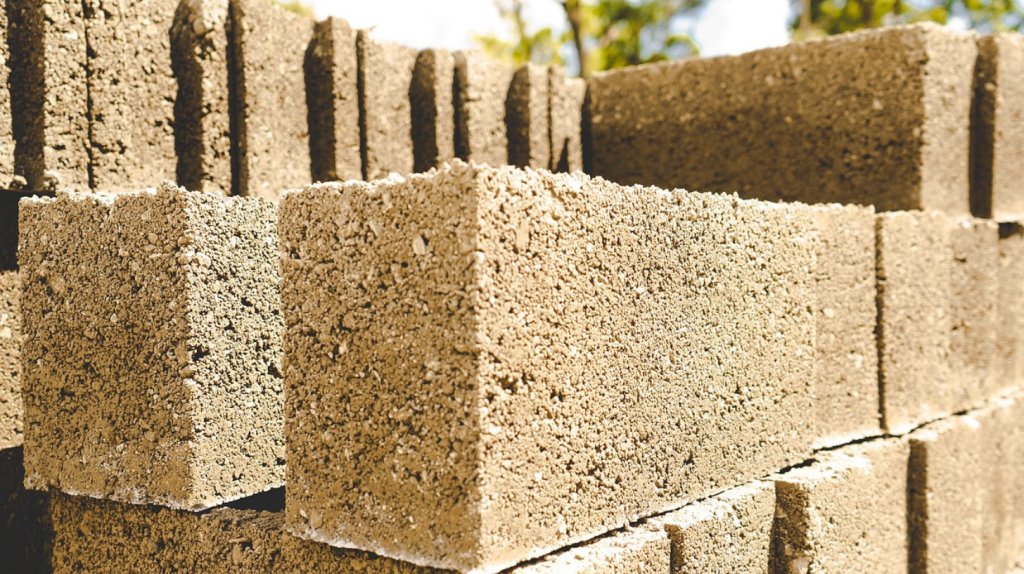
As cities grow, the demand for sustainable solutions in construction and urban planning has never been higher. Green infrastructure materials are at the forefront of this movement, offering eco-friendly alternatives that help reduce environmental impact, improve urban resilience, and create healthier spaces for communities. These materials go beyond traditional building supplies by prioritizing renewable resources, energy efficiency, and long-term durability.
Whether you’re a city planner, architect, builder, or simply interested in sustainable living, understanding the wide range of innovative products available today is essential. From natural composites to recycled products, the choices are expanding rapidly, enabling smarter decisions for both new developments and retrofits.
For those seeking a deeper dive into the subject, our resource on eco friendly urban construction materials provides additional insights into products and practices shaping greener cities.
What Defines Sustainable Urban Building Materials?
Materials used in green infrastructure are selected for their low environmental footprint, renewability, and ability to support healthier urban environments. Key characteristics include:
- Resource Efficiency: Made from rapidly renewable or recycled sources.
- Low Embodied Energy: Require less energy to produce, transport, and install.
- Durability: Long-lasting and resistant to weather, pests, and decay.
- Non-Toxic: Free from harmful chemicals and emissions.
- Performance: Enhance energy efficiency, water management, and air quality.
By integrating these materials, cities can address climate change, reduce waste, and promote public health.
Popular Green Infrastructure Materials for Urban Projects
Let’s explore some of the most widely used and promising options for sustainable construction and landscaping in urban settings.
Bamboo: Fast-Growing and Versatile
Bamboo is a standout among renewable resources. It grows rapidly, sequesters carbon, and can be used for everything from structural supports to flooring and decorative elements. Its strength rivals that of steel, making it suitable for a variety of applications.
Hempcrete and Bio-Based Composites
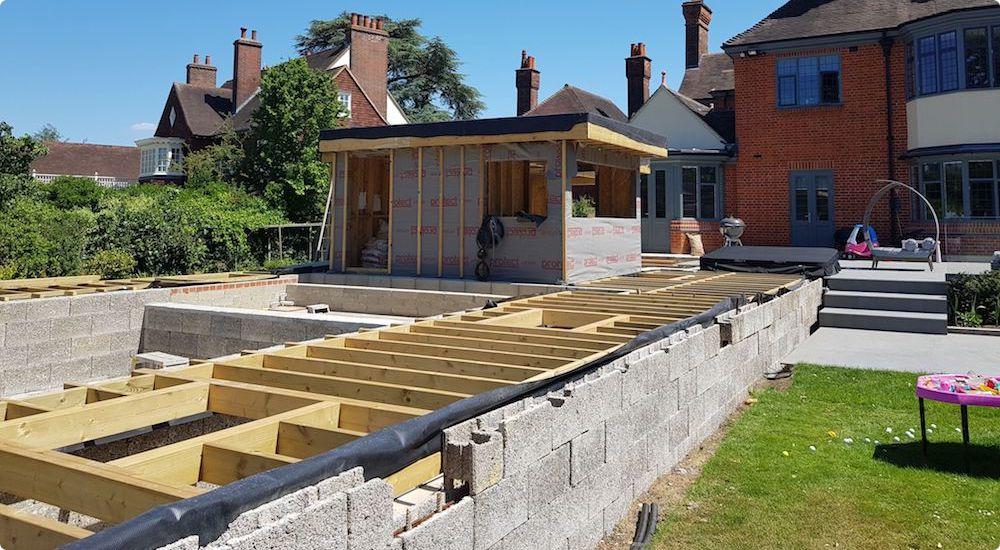
Hempcrete, made from the woody core of the hemp plant mixed with lime, is gaining popularity for its insulation properties and carbon-negative profile. It’s lightweight, breathable, and naturally resistant to mold and pests. Other bio-based composites, such as straw bale and mycelium bricks, offer similar benefits and are increasingly used in both residential and commercial projects.
Recycled and Reclaimed Materials
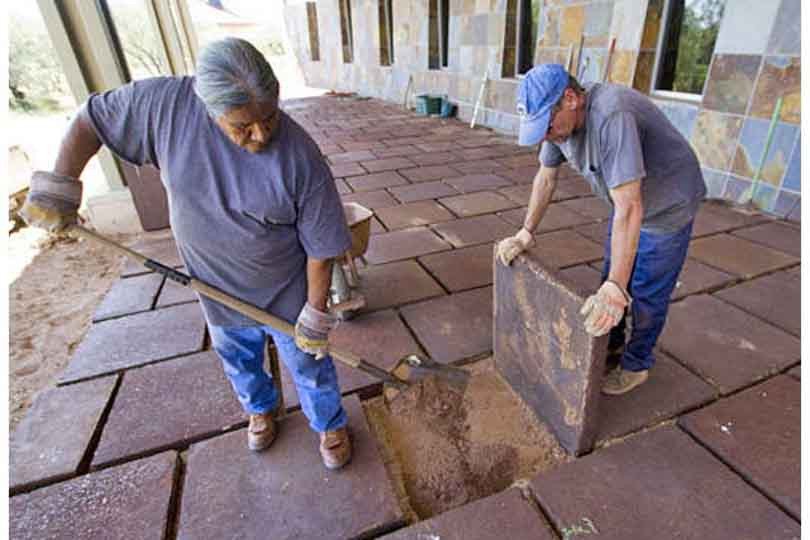
Using recycled concrete, glass, and reclaimed wood reduces landfill waste and the demand for virgin resources. These materials can be incorporated into everything from paving stones to structural elements, blending sustainability with unique aesthetics. For example, permeable pavers made from recycled plastics help manage stormwater runoff while supporting pedestrian and vehicle traffic.
Low-Impact Insulation Solutions
Insulation is critical for energy efficiency. Modern options like fiberglass made from recycled glass, cellulose from reclaimed paper, and natural wool offer high performance with minimal environmental impact. These products help regulate building temperatures, reducing the need for heating and cooling.
Innovative Concrete Alternatives
Traditional concrete is a major source of carbon emissions. Alternatives such as fly ash concrete, geopolymer concrete, and products like Ferrock (which incorporates recycled steel dust and absorbs CO2 during curing) are transforming the industry. These solutions maintain strength while significantly lowering the carbon footprint.
Benefits of Choosing Eco-Friendly Construction Products
Adopting sustainable materials in urban development brings a range of advantages:
- Reduced Carbon Emissions: Many options, such as hempcrete and recycled steel, actively lower greenhouse gas output.
- Improved Air and Water Quality: Non-toxic products and permeable surfaces help filter pollutants and manage runoff.
- Lower Operating Costs: Enhanced insulation and energy-efficient materials cut utility bills over the building’s life.
- Resilience and Longevity: Durable materials withstand harsh urban conditions, reducing maintenance and replacement needs.
- Enhanced Urban Biodiversity: Green roofs, living walls, and permeable pavements support plant and animal life in cities.
For a broader look at how these solutions fit into the bigger picture, our article on sustainable architecture materials explores design strategies for future-ready cities.
How to Select the Right Materials for Your Project
Choosing the best products for urban infrastructure depends on several factors:
- Local Availability: Sourcing nearby reduces transportation emissions and supports regional economies.
- Climate Suitability: Materials should be chosen for their performance in local weather conditions.
- Project Goals: Consider whether the priority is energy efficiency, water management, or reducing embodied carbon.
- Certifications: Look for recognized eco-labels or third-party certifications to ensure claims are credible.
Consulting resources such as this comprehensive guide to sustainable building materials can help inform your decision-making process.
Integrating Green Infrastructure in Urban Design
Beyond individual products, the way materials are used in urban planning is crucial. Strategies include:
- Green Roofs and Living Walls: These systems use vegetation to insulate buildings, manage rainwater, and enhance biodiversity.
- Permeable Pavements: Allow water to filter through, reducing flooding and replenishing groundwater.
- Rain Gardens and Bioswales: Use soil and plants to capture and clean stormwater runoff.
- Modular Construction: Prefabricated components minimize waste and speed up installation.
Combining these approaches with green infrastructure materials creates urban environments that are not only more sustainable but also more livable and resilient.
For more on minimizing waste in construction, see our resource on reduced waste building techniques.
Challenges and Future Directions
While the benefits are clear, there are still hurdles to widespread adoption. Cost, lack of awareness, and regulatory barriers can slow progress. However, as demand grows and technology advances, prices are dropping and new products are emerging. Policy incentives and green building standards are also encouraging broader use of sustainable materials in urban projects.
Innovations such as 3D-printed bio-composites, advanced recycled plastics, and smart materials that respond to environmental conditions are on the horizon. As cities continue to evolve, the integration of these solutions will be key to building smarter, more sustainable urban spaces.
Frequently Asked Questions
What are the most common green materials used in urban construction?
Popular choices include bamboo, hempcrete, recycled steel, reclaimed wood, permeable pavers, and low-impact insulation products like cellulose and wool. These materials are valued for their renewability, durability, and ability to reduce environmental impact.
How do green infrastructure products help manage urban water runoff?
Permeable pavements, rain gardens, and bioswales are designed to absorb and filter rainwater, reducing flooding and preventing pollutants from reaching waterways. These systems work best when combined with other eco-friendly construction materials.
Are sustainable building materials more expensive than traditional options?
While some products may have a higher upfront cost, they often lead to savings over time through lower energy bills, reduced maintenance, and increased durability. As demand increases and technology improves, prices are becoming more competitive.