As cities continue to expand, the need for sustainable building practices has never been greater. Urban environments face unique challenges—limited space, high energy demands, and the environmental impact of dense construction. Choosing eco friendly urban construction materials is a crucial step toward reducing carbon footprints, improving air quality, and creating healthier spaces for residents.
This article explores the most promising green building products for city projects, their benefits, and practical ways to incorporate them into modern developments. From innovative insulation to renewable flooring and low-impact finishes, these materials are shaping the future of urban architecture.
Builders and architects are increasingly turning to eco friendly coatings construction and other sustainable solutions to meet both regulatory requirements and the expectations of environmentally conscious residents. By integrating these advanced products, urban projects can achieve higher energy efficiency, lower emissions, and greater resilience.
Why Sustainable Building Matters in Urban Areas
Urban construction accounts for a significant portion of global resource consumption and greenhouse gas emissions. Traditional building materials like concrete, steel, and conventional insulation often require intensive energy to produce and transport, contributing to pollution and waste. In contrast, eco friendly urban construction materials are designed to minimize environmental impact throughout their lifecycle—from sourcing and manufacturing to installation and end-of-life disposal.
- Reduced carbon footprint: Many green materials are made from renewable resources or recycled content, lowering embodied energy.
- Improved indoor air quality: Non-toxic finishes and low-emission products help create healthier living and working environments.
- Resource efficiency: Sustainable materials often require less water and energy during production and use.
- Long-term cost savings: Energy-efficient products can reduce utility bills and maintenance costs over time.
Key Types of Eco-Conscious Materials for City Construction
There is a growing range of sustainable options available for every aspect of urban building. Here are some of the most impactful categories:
Renewable Flooring and Wall Solutions
Flooring and wall coverings made from rapidly renewable resources are gaining popularity in city developments. Bamboo flooring is a standout choice, as bamboo grows quickly and requires minimal pesticides or fertilizers. It offers durability, a modern look, and a much lower environmental impact compared to hardwoods.
Other renewable options include cork, reclaimed wood, and linoleum made from natural linseed oil. These materials are not only sustainable but also provide excellent thermal and acoustic insulation, making them ideal for urban apartments and offices.
High-Performance Insulation for Energy Efficiency
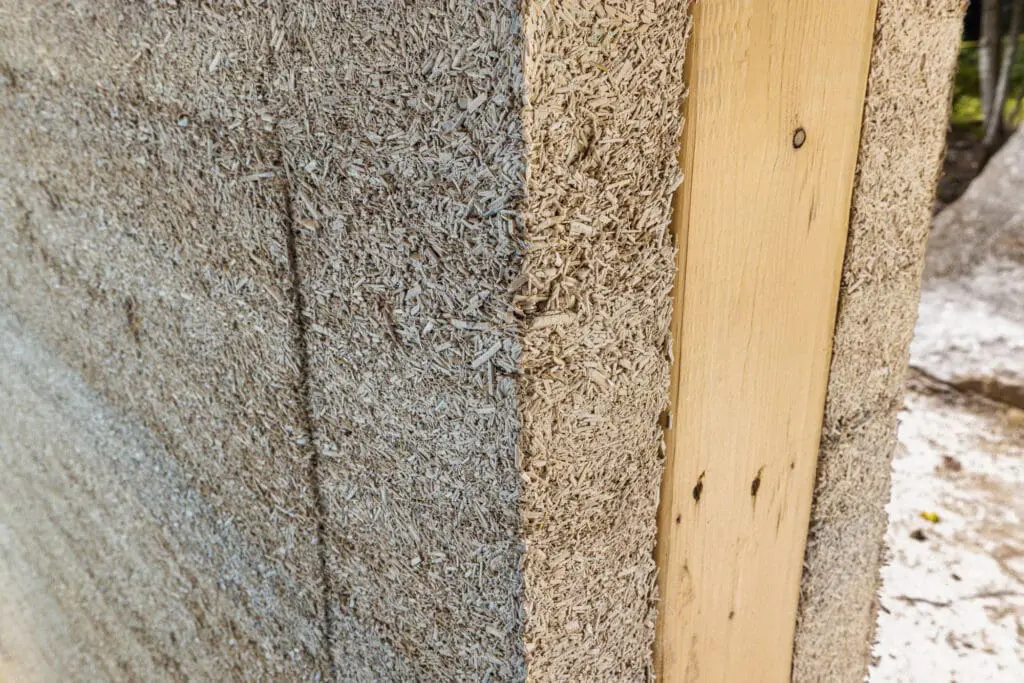
Insulation is a critical component in reducing heating and cooling demands in city buildings. Products like hemp, sheep’s wool, and cellulose (made from recycled paper) offer natural alternatives to traditional fiberglass or foam. These materials are biodegradable, non-toxic, and provide excellent thermal resistance.
For those seeking mainstream options with a lower environmental impact, eco-friendly fiberglass insulation is available, often made with recycled glass and fewer chemical binders. Using these products can significantly improve a building’s energy performance and comfort.
Low-Impact Concrete and Masonry Alternatives
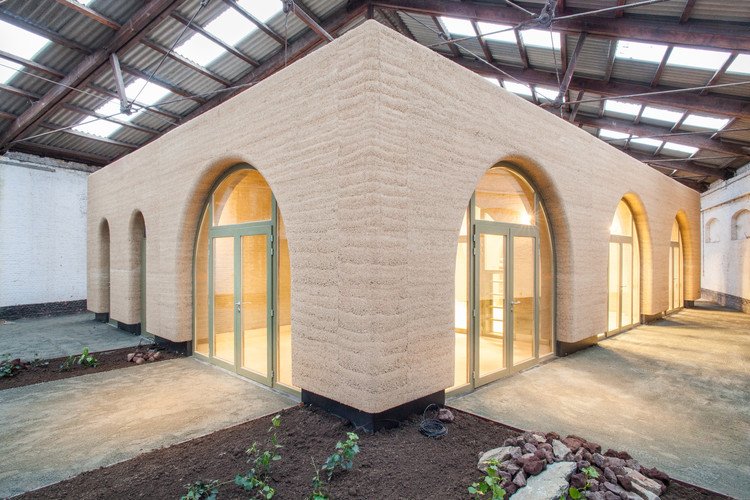
Concrete is one of the most widely used building materials in the world, but its production is energy-intensive and emits large amounts of CO2. Innovations such as fly ash concrete, recycled aggregate concrete, and geopolymer cements are helping to reduce the environmental cost of urban construction. These alternatives use industrial byproducts or natural minerals, cutting emissions and waste.
In addition, permeable pavers and green roofs can help manage stormwater runoff and reduce the urban heat island effect, making cities more resilient to climate change.
Healthy Finishes and Non-Toxic Building Products
Indoor air quality is a top concern in densely populated areas. Many conventional paints, adhesives, and sealants release volatile organic compounds (VOCs) that can harm health. Opting for natural paints for construction and eco friendly adhesives construction helps limit exposure to toxins. These products are made from plant-based ingredients and contain little to no harmful emissions.
For even better air quality, consider formaldehyde free building products and low-emission cabinetry, flooring, and insulation. These choices support healthier homes and workplaces, especially important in high-density urban settings.
Innovative Urban Construction Materials in Practice
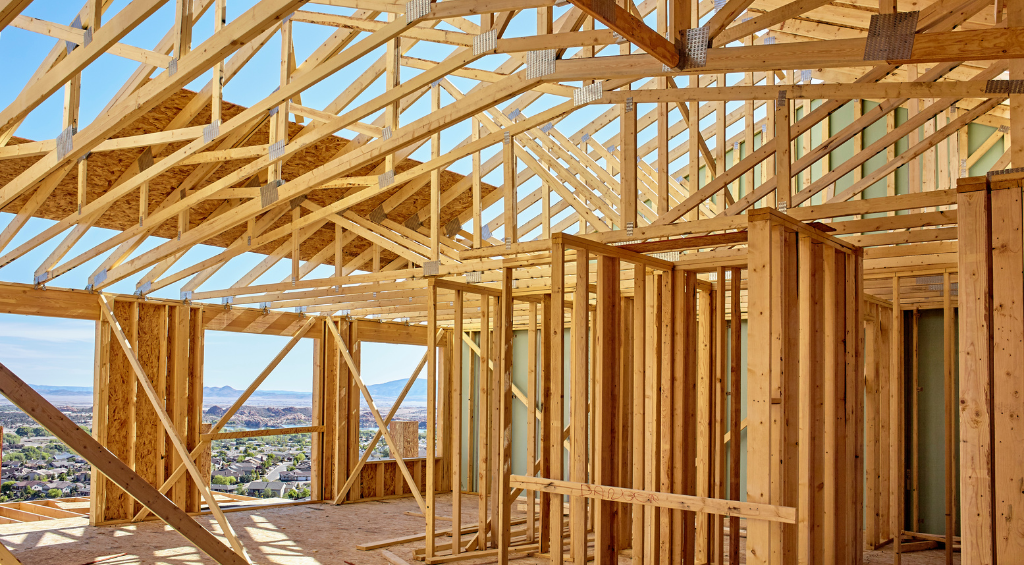
Many cities are already seeing the benefits of sustainable building products. For example, cross-laminated timber (CLT) is being used in mid-rise and high-rise buildings as a renewable alternative to steel and concrete. CLT panels are strong, lightweight, and store carbon, making them ideal for urban construction.
Another trend is the use of recycled and repurposed materials, such as bricks made from construction waste or glass, and insulation from denim or plastic bottles. These innovations not only reduce landfill waste but also create unique architectural features.
For a deeper dive into the science and lifecycle analysis of these materials, see this comprehensive research article on sustainable construction materials.
How to Choose the Right Green Building Products
Selecting the best sustainable materials for an urban project depends on several factors:
- Local availability: Using regionally sourced products reduces transportation emissions and supports local economies.
- Performance characteristics: Consider durability, insulation value, fire resistance, and maintenance needs.
- Certifications: Look for third-party certifications such as FSC (Forest Stewardship Council) for wood, GREENGUARD for low emissions, or Cradle to Cradle for product sustainability.
- Compatibility: Ensure new materials integrate well with existing structures and systems.
Consulting with architects and sustainability experts can help identify the most appropriate solutions for your specific project goals and site conditions.
Maximizing Impact: Beyond Materials
While choosing eco friendly urban construction materials is essential, true sustainability also involves smart design, efficient systems, and responsible construction practices. Combining green products with energy-efficient lighting, renewable energy sources, and water-saving fixtures can multiply the environmental benefits.
Urban planners and developers should also consider lifecycle impacts, from construction through demolition and recycling. Designing for adaptability and reuse ensures that today’s buildings remain assets for future generations.
For more on healthy finishes and air quality, explore the benefits of low VOC paints benefits for both people and the planet.
Frequently Asked Questions
What are the most common eco-friendly materials used in city construction?
Some of the most widely adopted sustainable products include bamboo and cork flooring, recycled steel, fly ash concrete, cellulose and wool insulation, low-VOC paints, and reclaimed wood. These materials offer durability, energy efficiency, and reduced environmental impact compared to conventional options.
How do green building materials improve indoor air quality?
Many traditional construction products release volatile organic compounds (VOCs) and other pollutants. Eco-conscious alternatives such as natural paints, formaldehyde-free products, and plant-based adhesives emit fewer toxins, leading to healthier indoor environments—especially important in densely populated urban settings.
Are sustainable construction materials more expensive?
While some green products may have a higher upfront cost, they often provide long-term savings through improved energy efficiency, durability, and lower maintenance. Additionally, as demand increases and production scales up, prices for many sustainable materials are becoming more competitive with traditional options.