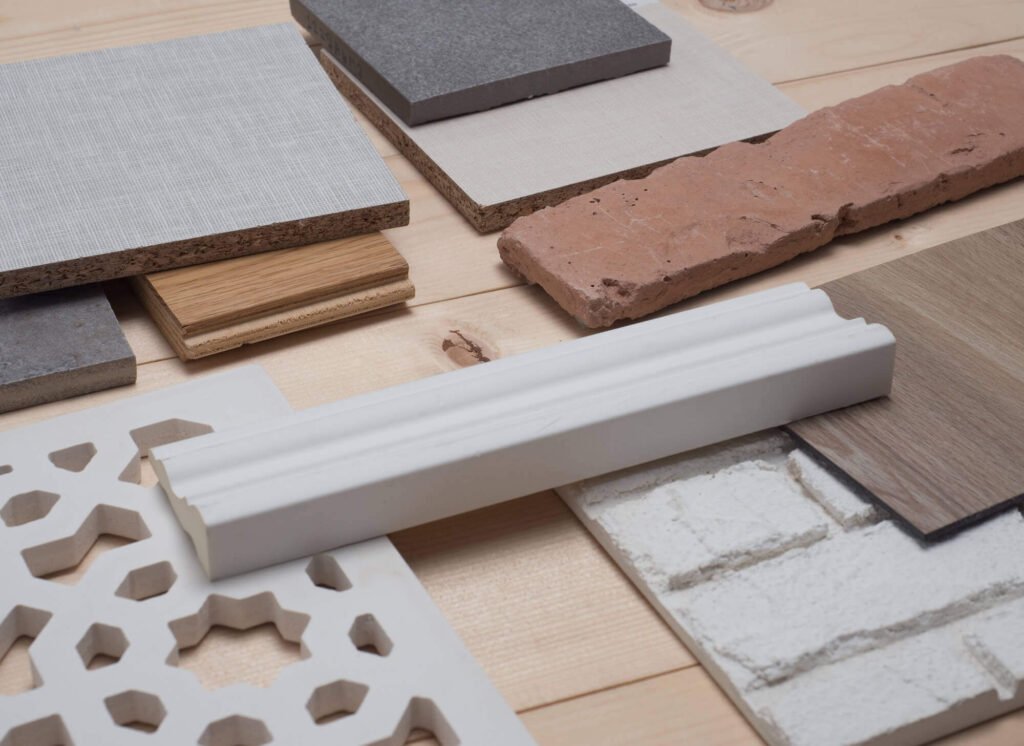
As the construction industry shifts toward sustainability, the demand for eco friendly coatings construction solutions continues to rise. These innovative products not only shield surfaces from wear and environmental damage but also help reduce the ecological footprint of buildings. By choosing natural and low-impact coatings, builders and homeowners can protect their investments while supporting a healthier planet.
Eco-conscious coatings are designed to minimize the use of harmful chemicals, lower volatile organic compound (VOC) emissions, and utilize renewable or recycled materials. Whether you’re renovating a home, constructing a new building, or simply seeking ways to enhance durability without compromising indoor air quality, understanding the benefits and options for sustainable surface protection is essential.
For those interested in related sustainable building practices, exploring formaldehyde free building products can further improve indoor air quality and support a holistic approach to green construction.
What Makes a Coating Sustainable?
Not all coatings are created equal when it comes to environmental impact. To be considered truly sustainable, a coating should:
- Use renewable, recycled, or abundant raw materials
- Contain low or zero VOCs to reduce air pollution
- Avoid toxic additives, heavy metals, and persistent chemicals
- Be manufactured using energy-efficient processes
- Offer durability and longevity to minimize maintenance and waste
Some popular examples include plant-based oils, mineral silicate paints, lime washes, and waterborne acrylics formulated for low emissions. These options provide effective protection while aligning with green building standards.
Types of Natural and Low-Impact Coatings
There are several categories of environmentally responsible coatings suitable for construction and renovation:
- Natural Paints and Plasters: Made from clay, lime, casein, or plant oils, these finishes offer breathability and are free from synthetic toxins. They are ideal for walls, ceilings, and masonry.
- Low VOC Paints: Modern formulations reduce off-gassing and improve indoor air quality. For more details, see the low VOC paints benefits guide.
- Water-Based Sealers: Used for wood, concrete, and stone, these sealers avoid harsh solvents and provide moisture resistance without harmful emissions.
- Bio-Based Wood Finishes: Oils and waxes derived from linseed, tung, or beeswax nourish wood surfaces naturally.
- Mineral Silicate Coatings: These inorganic paints chemically bond to masonry, offering extreme durability and vapor permeability.
Each type has unique advantages, making it important to select the right product for your specific surface and environmental goals.
Benefits of Eco-Conscious Surface Protection
Choosing sustainable coatings for construction projects delivers a range of benefits:
- Healthier Indoor Environments: Low-emission products reduce exposure to harmful fumes and allergens, supporting occupant well-being.
- Environmental Stewardship: By using renewable resources and minimizing pollution, these coatings help preserve ecosystems and reduce landfill waste.
- Durability and Longevity: Many natural coatings offer excellent resistance to weather, UV, and abrasion, extending the life of building materials.
- Regulatory Compliance: Green coatings can help projects meet LEED, WELL, and other sustainability certifications.
- Enhanced Aesthetics: Natural finishes often provide unique textures and colors that synthetic products can’t easily replicate.
For those interested in traditional finishes, learning about lime wash paint uses can offer inspiration for both classic and modern applications.
How to Choose the Right Sustainable Coating
Selecting the best product for your project involves considering several factors:
- Surface Material: Wood, masonry, drywall, and metal all have different requirements for adhesion and protection.
- Exposure Conditions: Outdoor surfaces may need UV and moisture resistance, while interiors prioritize low emissions and easy cleaning.
- Desired Appearance: Some natural coatings offer matte, textured, or translucent finishes, while others provide a more conventional look.
- Application Method: Consider whether the product is suitable for brushing, rolling, or spraying, and whether professional installation is needed.
- Certifications: Look for third-party labels such as GreenGuard, Ecolabel, or Cradle to Cradle for verified sustainability claims.
Consulting with manufacturers and reading technical datasheets can help ensure the product meets both performance and environmental criteria.

Integrating Green Coatings Into Your Building Project
Incorporating sustainable surface treatments into construction or renovation is easier than ever. Many mainstream suppliers now offer eco-friendly alternatives alongside conventional options. Here are some practical steps:
- Request product samples and test on a small area before full application.
- Work with contractors familiar with green building materials and application techniques.
- Combine coatings with other sustainable choices, such as eco friendly adhesives construction and recycled insulation, for a comprehensive approach.
- Educate occupants about proper maintenance to maximize the lifespan and benefits of natural finishes.
For a deeper understanding of the broader movement, see this overview of eco-friendly construction and its importance for modern building practices.
Common Myths About Sustainable Coatings
Despite their advantages, there are still misconceptions about green surface protection:
- “Natural coatings are less durable.” Many modern eco-friendly products match or exceed the performance of traditional coatings, especially for interior use.
- “They’re too expensive.” While some options have a higher upfront cost, their longevity and reduced maintenance can save money over time.
- “Limited color choices.” Advances in pigment technology now offer a wide range of hues and finishes, rivaling conventional paints.
- “Difficult to apply.” Most sustainable coatings can be applied with standard tools and techniques, though some may require specific preparation for best results.
Dispelling these myths helps more builders and homeowners make informed, responsible choices for their projects.
Frequently Asked Questions
Are eco-friendly coatings suitable for exterior surfaces?
Yes, many sustainable coatings are formulated for outdoor use and provide excellent protection against weather, UV rays, and moisture. Mineral silicate paints and certain plant-based oils are especially durable for exterior applications.
How do I know if a coating is truly environmentally friendly?
Look for third-party certifications, such as GreenGuard or Ecolabel, and review the product’s ingredients list. Avoid coatings with high VOC content, formaldehyde, or petrochemical additives. Manufacturer transparency and independent testing are good indicators of authenticity.
Can I use natural coatings on any surface?
Most eco-friendly products are versatile, but it’s important to match the coating to the substrate. For example, lime washes are ideal for masonry, while plant-based oils work best on wood. Always check manufacturer recommendations for compatibility and application guidelines.
Conclusion
Adopting eco friendly coatings construction practices is a practical way to protect surfaces while supporting environmental and human health. As technology advances and awareness grows, these solutions are becoming more accessible, affordable, and effective. Whether you’re building new or renovating, choosing sustainable coatings is a step toward a greener, healthier future for all.
For further reading on safe and beautiful finishing options, explore natural paints for construction and discover how to create spaces that are both stylish and sustainable.