Modern construction is undergoing a transformation as builders, architects, and homeowners seek materials that are safer for people and the environment. Water based construction materials are at the forefront of this shift, offering a cleaner, more sustainable alternative to traditional solvent-based products. These materials reduce harmful emissions, improve indoor air quality, and often outperform their conventional counterparts in terms of ease of use and safety.
From paints and coatings to adhesives and sealants, water-based options are now available for nearly every stage of a building project. As the demand for green building practices grows, understanding the benefits and applications of these products is essential for anyone involved in construction or renovation.
For those interested in learning more about natural alternatives, our resource on natural paints for construction explores beautiful and safe finishes that complement water-based solutions.
Why Choose Water-Based Products for Building Projects?
Switching to water based construction materials brings a range of advantages. These products are formulated using water as the primary solvent, which means they emit fewer volatile organic compounds (VOCs) compared to traditional solvent-based materials. Lower VOC emissions contribute to healthier indoor air and reduce the environmental impact of construction activities.
- Improved air quality: Water-based paints, adhesives, and coatings release minimal fumes, making them safer for workers and building occupants.
- Easy cleanup: Tools and surfaces can often be cleaned with just soap and water, eliminating the need for harsh chemicals.
- Compliance with regulations: Many regions now require the use of low-VOC or VOC-free materials, making water-based options a practical choice for meeting building codes and green certifications.
- Enhanced safety: Reduced flammability and toxicity make these products safer to handle and store on job sites.
For a deeper dive into the health and environmental benefits, see our article on low VOC paints benefits and how they protect both people and the planet.
Types of Water-Based Construction Materials
The range of water-based products available today is extensive, covering nearly every aspect of construction and finishing. Here are some of the most common categories:
Water-Based Paints and Coatings
These are among the most widely used water-based materials in building. They include interior and exterior wall paints, primers, sealers, and specialty coatings for wood, metal, and masonry. Water-based paints dry quickly, have low odor, and are available in a wide variety of colors and finishes.
For those seeking even more sustainable options, consider exploring eco friendly coatings construction for natural surface protection solutions.
Adhesives and Sealants
Many modern adhesives and caulks are now formulated with water as a carrier. These products bond materials such as wood, drywall, and tile without the strong odors or hazardous fumes associated with solvent-based glues. Water-based sealants are also used for weatherproofing and gap filling, providing durable, flexible seals.
To learn about safer bonding solutions, check out our guide on eco friendly adhesives construction for toxin-free alternatives.
Primers and Undercoats
Water-based primers prepare surfaces for painting or finishing, improving adhesion and durability. They are suitable for drywall, wood, masonry, and even some metals, offering a low-odor, quick-drying foundation for subsequent layers.
Insulation and Surface Treatments
Some insulation products, such as certain fiberglass rolls and cellulose-based materials, use water-based binders or treatments to minimize emissions and enhance fire resistance. Surface treatments like water-repellent finishes for concrete and masonry are also available in water-based formulations.
Sustainable Building with Water-Based Solutions
Incorporating water based construction materials into a building project supports broader sustainability goals. These products often use renewable resources, reduce waste, and help achieve green building certifications such as LEED or WELL. For example, bamboo flooring and eco-friendly insulation are popular choices for those seeking to minimize their environmental footprint.
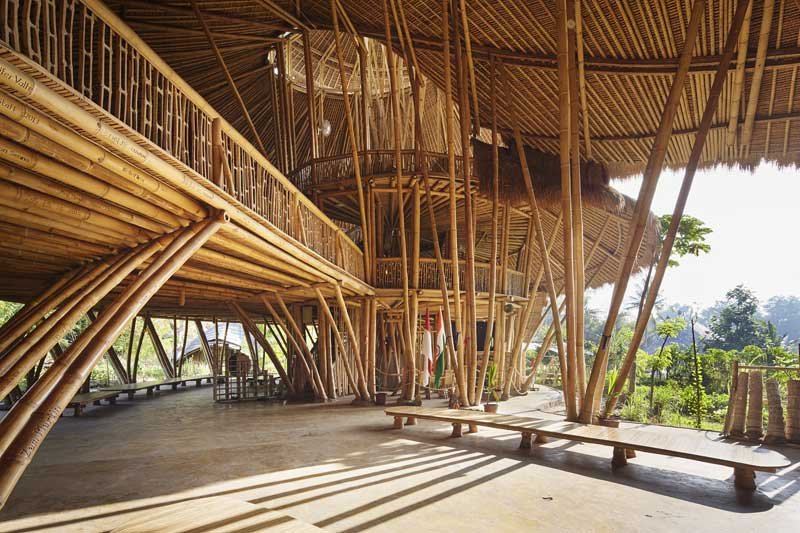
Bamboo is a rapidly renewable material that can be harvested without harming the environment, while fiberglass insulation made with water-based binders offers excellent thermal performance with minimal off-gassing. Both options contribute to healthier, more efficient buildings.
Comparing Water-Based and Solvent-Based Materials
Understanding the differences between water-based and solvent-based products is key to making informed choices for any construction project. Here’s a comparison of the main attributes:
| Feature | Water-Based Materials | Solvent-Based Materials |
|---|---|---|
| VOC Emissions | Low to none | High |
| Odor | Minimal | Strong |
| Cleanup | Soap and water | Solvents required |
| Drying Time | Faster | Slower |
| Health Impact | Safer for users | Potentially hazardous |
| Environmental Impact | Lower | Higher |
While solvent-based products may still be necessary for certain specialized applications, water-based alternatives meet or exceed performance requirements for most residential and commercial projects.
Innovations and Trends in Eco-Friendly Building Materials
The construction industry continues to innovate, with new water-based technologies emerging each year. Advances in resin chemistry, pigment dispersion, and binder systems have made these products more durable, versatile, and attractive. Builders are also turning to other sustainable materials, such as recycled content products and formaldehyde-free options, to further reduce environmental impact.
For those concerned about indoor air quality, formaldehyde free building products offer an additional layer of protection against harmful emissions.
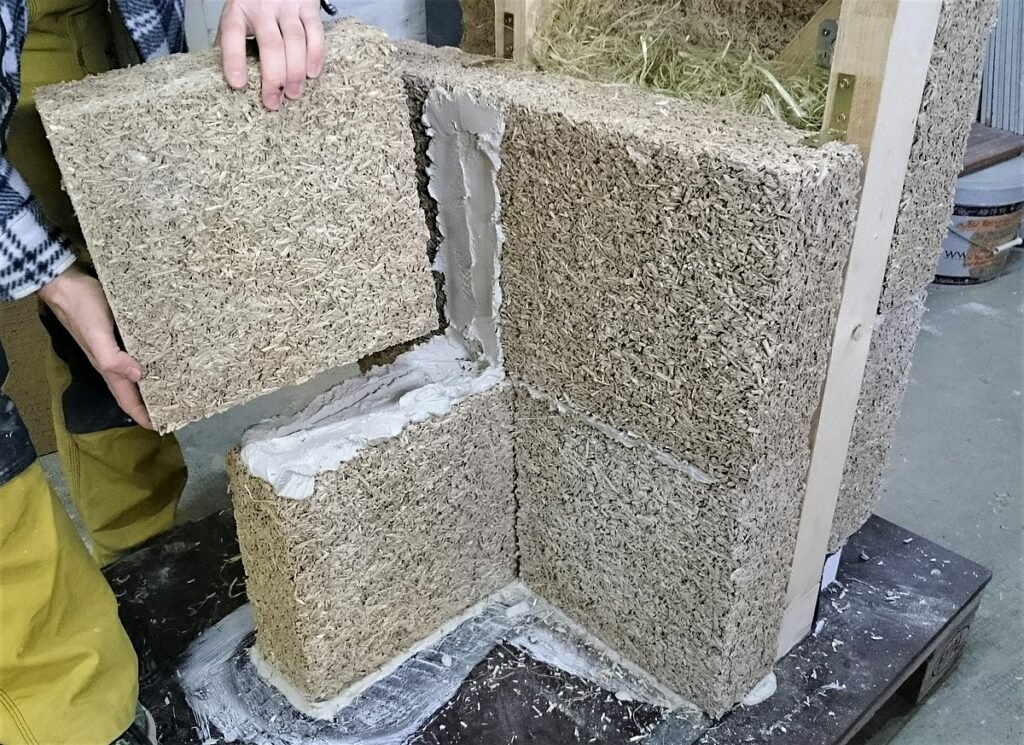
As demand for sustainable solutions grows, expect to see even more options that combine performance, safety, and environmental responsibility.
How to Select the Right Water-Based Materials
Choosing the best water-based products for your project involves considering several factors:
- Intended use: Ensure the product is suitable for the specific application, such as interior walls, exterior surfaces, or specialty finishes.
- Performance requirements: Look for certifications or test results that demonstrate durability, adhesion, and resistance to moisture or abrasion.
- Environmental certifications: Products with labels such as GreenGuard, EcoLabel, or low-VOC ratings provide added assurance of environmental responsibility.
- Manufacturer reputation: Choose brands known for quality and transparency in their ingredient lists and sustainability practices.
For a comprehensive overview of the benefits of eco-friendly materials, see this detailed guide to the advantages of eco-friendly construction materials.
Frequently Asked Questions
What are the main benefits of using water-based construction materials?
These materials offer lower VOC emissions, improved indoor air quality, easy cleanup, and enhanced safety for both workers and building occupants. They also help projects meet environmental regulations and green building standards.
Are water-based products as durable as traditional solvent-based options?
Yes, advancements in formulation have made water-based paints, adhesives, and coatings highly durable and suitable for most applications. They often provide similar or better performance, especially when used according to manufacturer instructions.
Can water-based materials be used for both interior and exterior projects?
Absolutely. There are water-based solutions designed for a variety of surfaces and conditions, including interior walls, exterior facades, woodwork, and masonry. Always select a product rated for the intended environment to ensure long-lasting results.
How do I know if a product is truly eco-friendly?
Look for third-party certifications, low-VOC labels, and transparent ingredient lists. Reputable manufacturers will provide documentation and testing data to support their environmental claims.
Embracing water based construction materials is a practical step toward safer, healthier, and more sustainable building practices. By making informed choices, builders and homeowners can create spaces that are better for people and the planet—today and for generations to come.