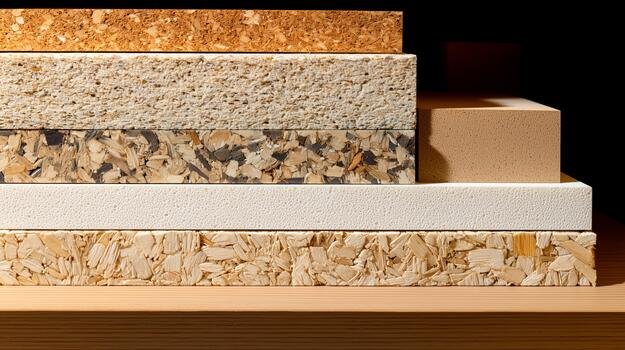
Indoor air quality is a growing concern for homeowners, builders, and anyone interested in creating healthier living environments. Many traditional construction materials release volatile organic compounds (VOCs), including formaldehyde, which can negatively impact respiratory health and overall well-being. By choosing formaldehyde free building products, you can significantly reduce indoor air pollution and create safer spaces for families, workers, and visitors.
As awareness of the health risks associated with formaldehyde exposure increases, more people are seeking alternatives that support both wellness and sustainability. This article explores the benefits of using non-toxic construction materials, highlights popular options, and offers practical guidance for making informed choices. For those interested in broader sustainable design, you might also want to explore lime wash paint uses for both traditional and modern aesthetics.
Why Formaldehyde Is a Concern in Construction
Formaldehyde is a colorless, strong-smelling gas commonly used in the production of resins that bind wood products, such as plywood, particleboard, and medium-density fiberboard (MDF). It is also found in some insulation, adhesives, and coatings. When these materials are installed in homes or commercial buildings, they can off-gas formaldehyde into the air for months or even years.
Exposure to formaldehyde can cause a range of health issues, including:
- Eye, nose, and throat irritation
- Respiratory symptoms such as coughing and wheezing
- Headaches and dizziness
- Increased risk of asthma and allergies
- Potential long-term cancer risk with prolonged exposure
Given these risks, selecting formaldehyde free building products is a proactive step toward healthier indoor environments.
Types of Formaldehyde-Free Materials for Healthier Spaces
There is a growing variety of construction products that do not contain added formaldehyde or other harmful VOCs. Here are some of the most popular and effective options:
Bamboo and Hardwood Flooring
Bamboo flooring is a sustainable, durable, and low-emission choice. Many manufacturers now offer bamboo and hardwood flooring that is free from added formaldehyde adhesives. These products are not only better for air quality but also renewable and stylish. If you are considering a flooring upgrade, bamboo is an excellent option for eco-conscious homeowners.

Low-Emission Insulation
Traditional insulation materials, such as urea-formaldehyde foam, can release significant amounts of formaldehyde. Safer alternatives include:
- Fiberglass insulation with no added formaldehyde binders
- Cotton or denim insulation
- Mineral wool
- Cellulose made from recycled paper
These options provide excellent thermal performance while supporting better air quality. For more on improving energy efficiency, see our guide to energy efficient building materials.
Formaldehyde-Free Composite Wood
Engineered wood products like particleboard and MDF are often used in cabinetry, shelving, and furniture. Look for products labeled as “NAF” (No Added Formaldehyde) or “ULEF” (Ultra-Low Emitting Formaldehyde). These use alternative adhesives, such as soy-based resins or MDI (methylene diphenyl diisocyanate), which do not release formaldehyde.
Non-Toxic Paints and Adhesives
Paints, primers, and adhesives can be significant sources of indoor air pollution. Opt for products labeled as “zero VOC” or “low VOC,” and check for certifications such as GreenGuard or Green Seal. For adhesives, look for options specifically formulated for eco friendly adhesives construction to avoid hidden toxins.
For wall finishes, consider natural alternatives like lime wash or clay-based paints, which are free from synthetic chemicals and promote a breathable indoor environment. Learn more about the benefits of low VOC paints for both health and the environment.
Certifications and Standards to Look For
When selecting materials, look for third-party certifications that verify low emissions and non-toxicity. Some of the most respected certifications include:
- CARB Phase 2 (California Air Resources Board): Strict limits on formaldehyde emissions from composite wood products.
- GreenGuard Gold: Ensures products are safe for sensitive environments like schools and healthcare facilities.
- FSC (Forest Stewardship Council): Indicates wood is sourced from responsibly managed forests.
- UL GREENGUARD: Verifies low chemical emissions for building materials and furnishings.
These certifications provide assurance that the products you choose will contribute to a healthier indoor environment.
Benefits of Choosing Safer Building Materials
Switching to formaldehyde free building products offers several advantages beyond improved air quality:
- Healthier Living Spaces: Reduced risk of respiratory issues, allergies, and chemical sensitivities.
- Environmental Responsibility: Many non-toxic materials are also renewable, recyclable, or made from recycled content.
- Increased Home Value: Health-focused upgrades are attractive to buyers and can boost property value.
- Regulatory Compliance: Some regions require low-emission products in new construction and renovations.
For more information on sustainable materials, see this comprehensive overview of sustainable building materials.
Tips for Selecting and Installing Non-Toxic Materials
Choosing the right products is only part of the equation. Proper installation and ventilation are also important for maintaining healthy indoor air. Here are some practical tips:
- Ask suppliers for documentation on emissions and certifications.
- Ventilate spaces well during and after installation to help dissipate any residual odors.
- Seal exposed composite wood edges to minimize any off-gassing.
- Use mechanical ventilation or air purifiers in enclosed spaces.
- Combine multiple healthy materials for a holistic approach to indoor air quality.
For those interested in optimizing comfort and efficiency, consider pairing non-toxic materials with thermal efficient construction materials.
Frequently Asked Questions
What are the main sources of formaldehyde in homes?
The primary sources include pressed wood products (such as particleboard, plywood, and MDF), certain types of insulation, adhesives, paints, and some textiles. Choosing certified low-emission or formaldehyde-free alternatives can greatly reduce exposure.
How can I tell if a product is truly formaldehyde-free?
Look for labels such as “NAF” (No Added Formaldehyde), “ULEF” (Ultra-Low Emitting Formaldehyde), or certifications like CARB Phase 2 and GreenGuard Gold. Ask manufacturers or retailers for documentation if you’re unsure.
Are formaldehyde-free materials more expensive?
Some non-toxic materials may have a slightly higher upfront cost, but prices are becoming more competitive as demand grows. The long-term benefits to health and property value often outweigh the initial investment.
Can I retrofit my existing home with safer materials?
Yes, many products such as flooring, insulation, cabinetry, and paints can be replaced or upgraded during renovations. Prioritize areas where you spend the most time, such as bedrooms and living rooms, for the greatest impact.
Conclusion
Improving indoor air quality is achievable by making informed choices about the materials used in construction and renovation. By selecting formaldehyde free building products, you protect the health of occupants, support environmental sustainability, and create more comfortable living and working spaces. As the market for non-toxic materials continues to grow, it’s easier than ever to find options that meet both your health and design goals.