Modern building design increasingly focuses on comfort, sustainability, and energy savings. One of the most effective strategies for achieving these goals is the use of thermal efficient construction materials. These materials help regulate indoor temperatures, reduce energy consumption, and create healthier living environments. Whether you are building a new home, renovating, or simply seeking ways to improve your property’s performance, understanding the options for energy-smart construction is essential.
In this guide, we’ll explore the most popular and innovative materials that enhance thermal performance, discuss their benefits, and provide practical tips for choosing the right solutions for your project. We’ll also highlight how these materials contribute to certifications like BREEAM sustainable materials standards, which promote environmentally responsible construction worldwide.

Why Prioritize Thermal Performance in Building Materials?
Thermal comfort is a key factor in any living or working space. When a building is constructed with materials that offer superior insulation and heat regulation, occupants benefit from stable indoor temperatures year-round. This not only improves comfort but also leads to significant energy savings by reducing the need for heating and cooling systems.
Beyond comfort and cost, using thermally efficient construction materials supports environmental goals. By lowering energy demand, these materials help reduce greenhouse gas emissions and reliance on nonrenewable resources. Many of these products are also made from renewable or recycled content, further minimizing their ecological footprint.
Top Materials for Enhanced Thermal Efficiency
Let’s examine some of the most effective options available for boosting a building’s thermal performance. Each material offers unique advantages, making it important to consider your project’s specific needs and climate conditions.
Bamboo: A Renewable, High-Performance Choice
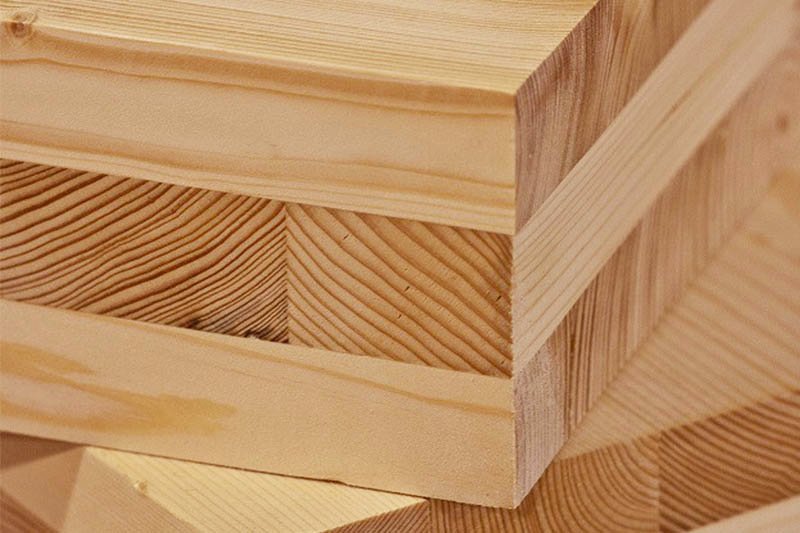
Bamboo is gaining popularity as a sustainable building material due to its rapid growth and impressive insulating properties. It acts as a natural barrier to heat transfer, helping to keep interiors cooler in summer and warmer in winter. Bamboo flooring, wall panels, and even structural elements can all contribute to a more comfortable and energy-efficient home.
Fiberglass Insulation: Reliable and Widely Available
Fiberglass remains a staple in both residential and commercial construction for its excellent thermal resistance and affordability. It is commonly used in walls, attics, and floors to slow the transfer of heat, keeping interiors comfortable and reducing HVAC loads. Fiberglass products are often made with recycled glass, making them a responsible choice for eco-conscious builders.
Hempcrete: Innovative and Eco-Friendly
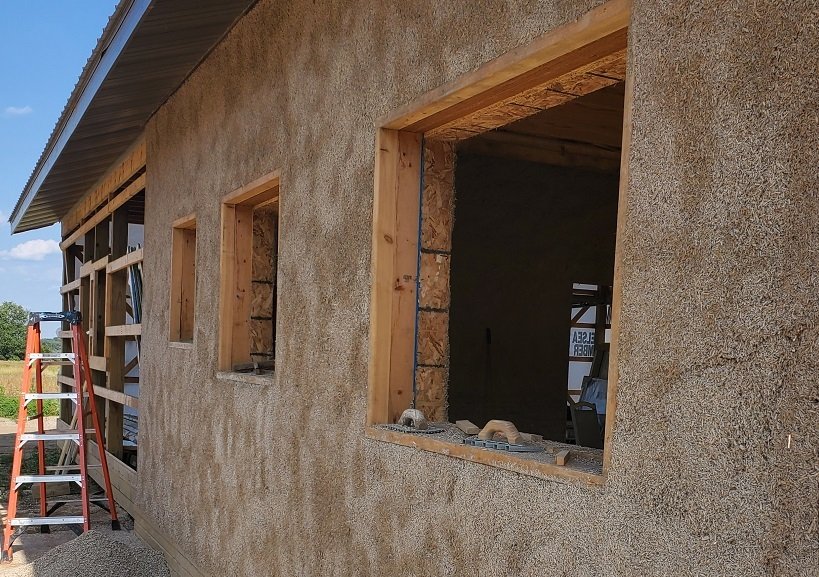
Hempcrete is an emerging material made from the woody core of the hemp plant mixed with lime. It offers remarkable insulation properties, breathability, and moisture regulation. Hempcrete walls help maintain steady indoor temperatures, reduce condensation, and provide a healthy indoor environment. As a bonus, hemp cultivation absorbs carbon dioxide, making this material a climate-positive option.
Other Noteworthy Materials for Energy-Smart Construction
- Recycled rubber roofing: Durable and planet-friendly, this material provides strong thermal insulation and weather resistance. Learn more about its benefits in our article on recycled rubber roofing materials.
- Solar roof tiles: These not only generate clean energy but also add an extra layer of insulation to your roof. Discover more about solar roof tiles benefits for your home.
- Aerogel panels: Known for their ultra-low thermal conductivity, aerogel panels are used in high-performance buildings where space and efficiency are critical.
- Structural insulated panels (SIPs): These panels combine insulation and structural support, resulting in airtight and highly efficient building envelopes.
How to Select the Right Materials for Your Project
Choosing the best thermal solutions depends on several factors, including your climate, building type, budget, and sustainability goals. Here are a few tips to guide your decision:
- Assess your local climate and energy needs. Some materials perform better in hot, humid regions, while others excel in cold climates.
- Consider the full lifecycle impact, including sourcing, manufacturing, and end-of-life disposal or recycling.
- Look for third-party certifications, such as those listed in the LEED certified materials list, to ensure products meet recognized standards for efficiency and sustainability.
- Consult with architects or builders experienced in sustainable design to identify the most effective options for your specific project.
Environmental and Economic Benefits of Energy-Efficient Building Materials
Investing in advanced insulation and energy-smart products offers both immediate and long-term rewards. Homeowners and businesses can expect:
- Lower energy bills due to reduced heating and cooling requirements.
- Improved indoor air quality and comfort, thanks to better moisture and temperature control.
- Increased property value as energy efficiency becomes a priority for buyers and tenants.
- Reduced carbon footprint and environmental impact, supporting broader sustainability goals.
Many of these benefits are recognized by green building certification programs. For more on how to align your project with leading standards, see our overview of green building certification materials.
Integrating Thermal Efficiency with Eco-Friendly Practices
Combining thermal efficient construction materials with other sustainable building practices maximizes comfort and environmental performance. Consider using renewable energy sources, passive solar design, and water-saving technologies alongside advanced insulation and building envelopes. For a deeper dive into the advantages of eco-friendly construction, review this comprehensive guide to eco-friendly construction materials.
Frequently Asked Questions
What are the main advantages of using thermally efficient materials in construction?
These materials help maintain stable indoor temperatures, reduce energy consumption, lower utility bills, and create healthier living environments. They also contribute to sustainability by minimizing environmental impact and supporting green building certifications.
How do I know which material is best for my climate?
Consult with local building professionals and consider climate-specific recommendations. For example, materials with high thermal mass are ideal for regions with large temperature swings, while reflective or insulating products may be better for hot climates.
Are there affordable options for improving thermal efficiency in existing buildings?
Yes, upgrading insulation in attics, walls, and floors with products like fiberglass or cellulose, sealing air leaks, and installing energy-efficient windows are cost-effective ways to enhance comfort and reduce energy use in older buildings.