Green building certification materials are at the heart of sustainable construction, shaping how projects meet environmental standards and achieve recognition from programs like LEED, WELL, and others. These materials are selected for their low environmental impact, responsible sourcing, and contribution to healthier, more efficient buildings. As green certifications become increasingly important in both commercial and residential construction, understanding the types of materials that qualify—and why they matter—can help architects, builders, and homeowners make informed decisions.
From recycled steel to rapidly renewable bamboo, the choices made in building products directly influence a project’s sustainability profile. For those interested in wood-based solutions, exploring sustainably sourced timber certification can provide additional insights into responsible forestry and material selection.

Understanding Sustainable Certification Programs
Several major programs set the standards for sustainable construction, each with its own focus and criteria. The most widely recognized is LEED (Leadership in Energy and Environmental Design), which evaluates buildings based on energy use, indoor environmental quality, water efficiency, and, crucially, the materials used. Other programs, such as WELL, Living Building Challenge, and BREEAM, also emphasize the importance of responsible material selection.
To qualify for these certifications, projects must document the use of materials that are low in volatile organic compounds (VOCs), have recycled content, are rapidly renewable, or are sourced from certified forests. These requirements encourage the use of products that minimize environmental harm and support occupant health.
Key Criteria for Green Building Certification Materials
When selecting products for a sustainable project, several factors are considered to ensure they align with certification standards:
- Low Embodied Energy: Materials that require less energy to produce and transport are preferred.
- Recycled Content: Products made from post-consumer or post-industrial recycled materials help reduce landfill waste.
- Rapid Renewability: Materials like bamboo or cork, which regenerate quickly, are favored over slow-growing resources.
- Responsible Sourcing: Certification systems like FSC (Forest Stewardship Council) ensure wood is harvested sustainably. Learn more about FSC certified wood meaning and its impact on responsible forestry.
- Low Emissions: Products that emit fewer VOCs improve indoor air quality and occupant health.
- Durability and Longevity: Long-lasting materials reduce the need for replacement and associated environmental costs.
Examples of Materials That Earn Credits
A wide range of products can contribute to certification points in sustainable construction. Here are some common categories:
- Bamboo Flooring: Bamboo is a rapidly renewable resource, growing much faster than traditional hardwoods. It’s durable, attractive, and widely used in certified projects.
- Recycled Steel: Using steel with high recycled content reduces the need for new raw materials and lowers embodied energy.
- Low-VOC Paints and Finishes: These products help maintain healthy indoor air by minimizing harmful emissions.
- Insulation from Recycled or Renewable Sources: Options like cellulose (made from recycled paper) or fiberglass with eco-friendly binders are popular choices.
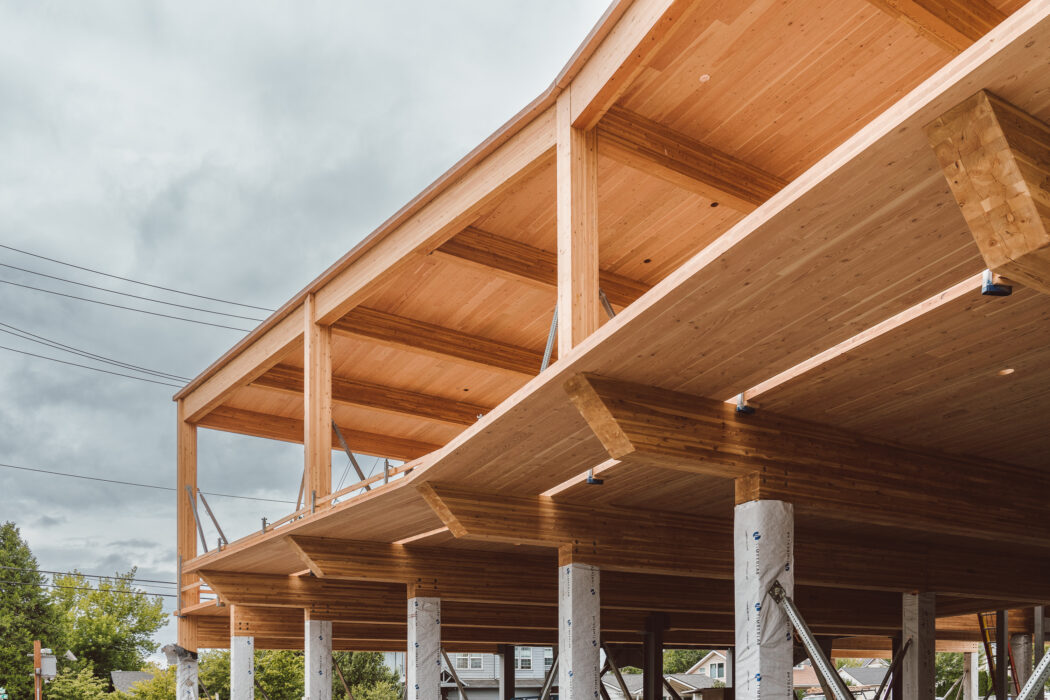
- Certified Wood Products: Timber from responsibly managed forests, such as those certified by FSC, is essential for many green building projects. For more on engineered wood, see cross laminated timber benefits and glulam timber construction uses.
How Material Choices Impact Certification Levels
The selection of green building certification materials directly affects the number of points a project can earn toward its sustainability goals. For example, LEED awards credits for using products with environmental product declarations (EPDs), recycled content, or those sourced within a certain distance from the project site. The more criteria a material meets, the more it contributes to the overall certification score.
In addition to earning points, the right choices can also improve a building’s performance, reduce operational costs, and create healthier environments for occupants. This holistic approach is why material selection is a core pillar of every major green building program.
Innovations in Eco-Friendly Construction Products
The market for sustainable construction products continues to grow, with manufacturers developing new solutions that meet certification requirements and push the boundaries of environmental performance. Some recent innovations include:
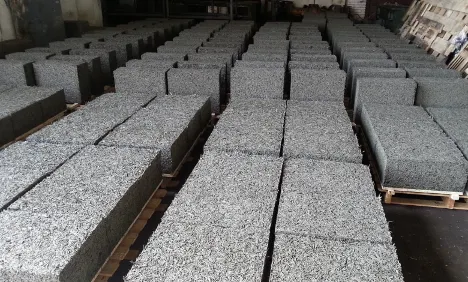
- Bio-based Insulation: Made from agricultural byproducts or plant fibers, these insulations offer excellent thermal performance with a lower carbon footprint.
- Photovoltaic Roofing: Solar-integrated roofing materials can generate clean energy while serving as a building envelope. For more on this topic, see solar roof tiles benefits.
- Reclaimed and Salvaged Materials: Using materials from deconstructed buildings reduces demand for new resources and diverts waste from landfills.
- Advanced Engineered Wood: Products like cross-laminated timber (CLT) and glulam provide structural strength with a lower environmental impact than concrete or steel.
Best Practices for Selecting Sustainable Materials
Choosing the right products for a certified project involves more than just checking a label. Here are some best practices to ensure your selections support your sustainability goals:
- Review Certification Requirements: Each program has specific criteria for materials. Consult the relevant documentation to understand what qualifies.
- Request Documentation: Ask suppliers for EPDs, health product declarations (HPDs), and chain-of-custody certificates to verify claims.
- Prioritize Local Sourcing: Materials sourced close to the project site reduce transportation emissions and may earn additional credits.
- Balance Performance and Sustainability: Ensure that products meet both environmental and technical requirements for your project.
- Stay Updated: The field of sustainable construction is evolving. Keep up with new products and changing standards to maximize your project’s impact.
For a deeper dive into eco-friendly options, see this comprehensive overview of sustainable construction materials.
Common Challenges and How to Overcome Them
While the benefits of using green building certification materials are clear, there are some common obstacles:
- Availability: Not all regions have easy access to certified or eco-friendly products. Early planning and working with knowledgeable suppliers can help.
- Cost: Some sustainable options may carry a higher upfront price, but often deliver savings over the building’s lifecycle through durability and efficiency.
- Complex Documentation: Certification programs require detailed records. Establish a system for tracking material sources and certifications from the outset.
Collaboration between designers, builders, and suppliers is essential to ensure that all materials meet the necessary standards and contribute to the project’s certification goals.
FAQ: Green Building Certification Materials
What are the most commonly used materials in sustainable construction?
Some of the most widely used products include bamboo flooring, recycled steel, low-VOC paints, cellulose or fiberglass insulation with eco-friendly binders, and certified wood from responsibly managed forests. These materials are chosen for their low environmental impact and ability to contribute to certification points.
How do I know if a material qualifies for LEED or other certifications?
Check for documentation such as Environmental Product Declarations (EPDs), Health Product Declarations (HPDs), and third-party certifications like FSC for wood. Consult the specific requirements of the certification program you’re targeting, as each has its own criteria for qualifying products.
Are green building materials more expensive?
While some sustainable options may have a higher initial cost, they often result in long-term savings through improved durability, energy efficiency, and lower maintenance. Additionally, as demand grows and manufacturing processes improve, prices for many eco-friendly products are becoming more competitive.
Can I use reclaimed materials for certification?
Yes, many programs encourage the use of reclaimed or salvaged products, as they reduce the demand for new resources and help divert waste from landfills. Be sure to document the source and characteristics of these materials to ensure they meet certification requirements.
Selecting the right green building certification materials is a key step toward creating buildings that are not only environmentally responsible but also healthier and more cost-effective over time. By staying informed and working with trusted suppliers, you can ensure your project meets the highest standards of sustainability and performance.