
Choosing the right building materials is a crucial step for any project aiming for LEED certification. The LEED certified materials list serves as a guide for architects, builders, and project owners who want to maximize their sustainability credits and ensure compliance with the latest green building standards. Understanding which products contribute to LEED points can streamline the design process, improve building performance, and support environmental goals.
This article provides a practical overview of the most important product categories and specific material types recognized by LEED. You’ll learn how these materials contribute to different credit categories, what to look for when sourcing products, and how to integrate them into your project for maximum impact. For those interested in other global standards, comparing BREEAM sustainable materials standards can offer additional perspective on sustainable construction.
Understanding LEED Material Credits and Categories
LEED (Leadership in Energy and Environmental Design) evaluates materials based on their environmental impact, resource efficiency, and contribution to occupant health. The system awards points in several categories, including:
- Materials and Resources (MR): Focuses on responsible sourcing, recycled content, and product transparency.
- Indoor Environmental Quality (EQ): Rewards low-emitting materials that improve air quality.
- Energy and Atmosphere (EA): Recognizes materials that enhance energy efficiency.
To earn credits, projects must use products that meet specific criteria, such as third-party certifications, recycled or rapidly renewable content, and low emissions of volatile organic compounds (VOCs). The LEED certified materials list is not a fixed catalog but a set of guidelines and examples that help project teams select qualifying products.
Key Product Types for LEED Credits
Below are some of the most common and impactful material categories that contribute to LEED certification. Each offers unique benefits and can be sourced in ways that maximize your project’s sustainability score.
Rapidly Renewable Materials: Bamboo and Cork
Materials like bamboo and cork are popular choices for flooring, wall panels, and cabinetry. These products are harvested from plants that regenerate in less than 10 years, making them a sustainable alternative to traditional hardwoods. Bamboo, in particular, is valued for its strength, versatility, and minimal environmental footprint.
Recycled Content: Steel, Glass, and Insulation
Using materials with high recycled content is a straightforward way to earn LEED points. Examples include:
- Steel: Structural steel often contains a significant percentage of recycled scrap, reducing the need for new raw materials.
- Recycled Glass: Used in countertops, tiles, and decorative features, recycled glass products lower landfill waste and energy use.
- Insulation: Many fiberglass and cellulose insulation products are manufactured with recycled content, supporting both energy efficiency and resource conservation.
When specifying these products, always request documentation of recycled content percentages to ensure compliance with LEED requirements.
Certified Wood and Timber Products
Wood products can contribute to LEED credits if they are sourced from forests certified by recognized organizations such as the Forest Stewardship Council (FSC). Certified timber ensures responsible harvesting practices and supports ecosystem health. For more information on responsible sourcing, see our guide to sustainably sourced timber certification.
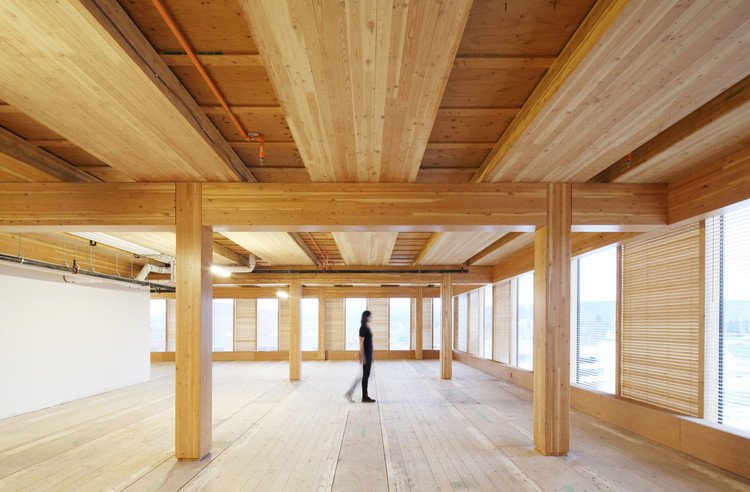
Engineered wood products like cross-laminated timber (CLT) and glulam beams are also gaining popularity for their structural performance and sustainability. Learn more about the benefits of cross laminated timber and glulam timber construction in modern building projects.
Low-Emitting and Non-Toxic Materials
Indoor air quality is a major focus of LEED. Materials that emit low or no VOCs are essential for creating healthy indoor environments. Key product types include:
- Low-VOC Paints and Coatings: Look for products certified by GREENGUARD or similar programs.
- Adhesives and Sealants: Choose formulations with documented low emissions.
- Flooring: Many resilient flooring options, such as linoleum and certain carpets, are available in low-emitting versions.
Always verify third-party certifications and request emissions data from manufacturers to ensure your selections meet LEED criteria.
Innovative and Alternative Building Materials
Emerging materials and construction methods can also help projects stand out and earn additional credits. Some notable examples include:
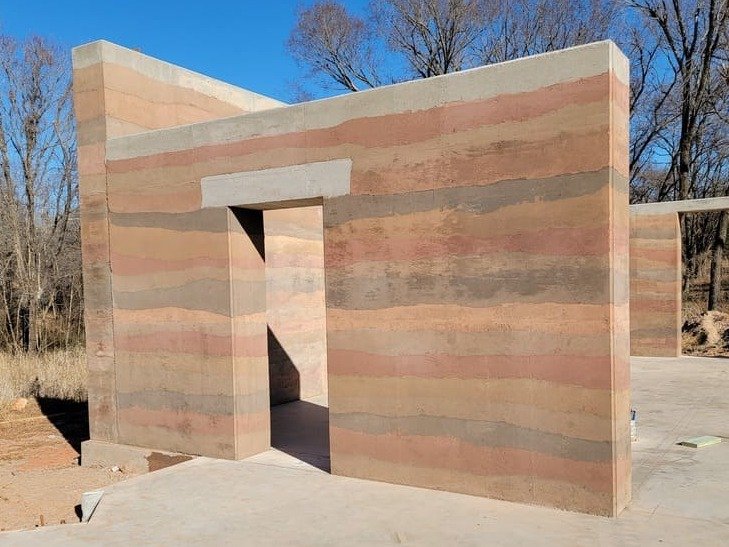
- Rammed Earth: This ancient technique uses compacted soil to create highly durable, low-impact walls.
- Reclaimed Materials: Salvaged wood, brick, and metal reduce demand for new resources and add unique character to buildings.
- Solar Roofing: Integrating photovoltaic tiles or panels can contribute to both energy and materials credits. Explore the benefits of solar roof tiles for more details.
How to Source and Document LEED-Compliant Materials
To ensure your project receives credit for sustainable materials, follow these best practices:
- Request Documentation: Obtain product data sheets, certifications, and environmental product declarations (EPDs) from suppliers.
- Track Quantities: Maintain records of the amount and type of each material used, as LEED credits often require percentage thresholds.
- Coordinate with Contractors: Communicate requirements early to avoid substitutions that could jeopardize credits.
- Stay Updated: LEED standards evolve, so always check the latest version for current criteria and recognized certifications.
For a deeper dive into sustainable and eco-friendly building materials, explore this comprehensive overview of green building products.
Frequently Asked Questions
What qualifies a product for inclusion in a LEED materials list?
Products must meet specific criteria such as recycled content, rapid renewability, certified sourcing, or low emissions. Third-party certifications and documentation are typically required to prove compliance with LEED standards.
Can reclaimed or salvaged materials contribute to LEED credits?
Yes, using reclaimed or salvaged materials can earn points under the Materials and Resources category. These products help reduce demand for new resources and support waste reduction goals.
Is it necessary to use only products listed by LEED?
No, LEED does not maintain a fixed product catalog. Instead, it provides guidelines and credit requirements. Any material that meets the relevant criteria and can be properly documented may contribute to your project’s score.
Conclusion
Building with sustainability in mind requires careful selection of materials that meet LEED criteria. By focusing on rapidly renewable resources, recycled content, certified wood, low-emitting products, and innovative alternatives, project teams can maximize their credits and deliver healthier, more efficient buildings. Always verify documentation, coordinate with suppliers, and stay informed about evolving standards to ensure your materials contribute effectively to your certification goals.