
The construction industry is undergoing a significant transformation as sustainability becomes a core priority for projects worldwide. One of the most influential frameworks guiding this shift is BREEAM sustainable materials standards. These standards help developers, architects, and contractors select construction products and processes that minimize environmental impact, promote resource efficiency, and support long-term resilience.
Understanding how these benchmarks shape material choices is essential for anyone involved in building design or project management. By focusing on responsible sourcing, lifecycle impacts, and innovative materials, BREEAM encourages the adoption of greener practices across the global construction sector. For those interested in sustainable timber, you may also find value in exploring sustainably sourced timber certification and how it supports responsible forestry.
What Are BREEAM Sustainable Materials Standards?
BREEAM, which stands for Building Research Establishment Environmental Assessment Method, is a globally recognized certification system for sustainable building. Its materials standards are designed to assess and encourage the use of products with lower environmental footprints. These guidelines cover a range of factors, including responsible sourcing, embodied carbon, durability, and recyclability.
The BREEAM sustainable materials standards are not just about choosing eco-friendly products; they also consider the entire lifecycle of materials. This includes extraction, processing, transportation, installation, use, and eventual disposal or reuse. The goal is to reduce negative impacts at every stage, making construction more sustainable from start to finish.
Key Criteria for Sustainable Material Selection
To achieve high BREEAM ratings, projects must meet specific criteria related to material selection. These include:
- Responsible Sourcing: Materials should come from suppliers with credible environmental and social certifications, such as FSC or PEFC for timber. Learn more about FSC certified wood meaning and its role in responsible forestry.
- Low Embodied Carbon: Preference is given to products with minimal greenhouse gas emissions throughout their lifecycle.
- Recycled Content: Incorporating recycled or rapidly renewable materials helps reduce resource depletion.
- Durability and Longevity: Materials should be robust and require minimal maintenance or replacement.
- Health and Wellbeing: Products must not emit harmful substances that could affect indoor air quality.
By meeting these requirements, projects can earn valuable credits toward their overall BREEAM score, demonstrating a commitment to environmental stewardship.
Global Impact of BREEAM-Compliant Materials
The influence of BREEAM-compliant materials extends far beyond individual buildings. As more countries and organizations adopt these standards, the demand for sustainable products is rising. This shift is driving innovation in manufacturing, encouraging suppliers to improve transparency and reduce the environmental impact of their offerings.
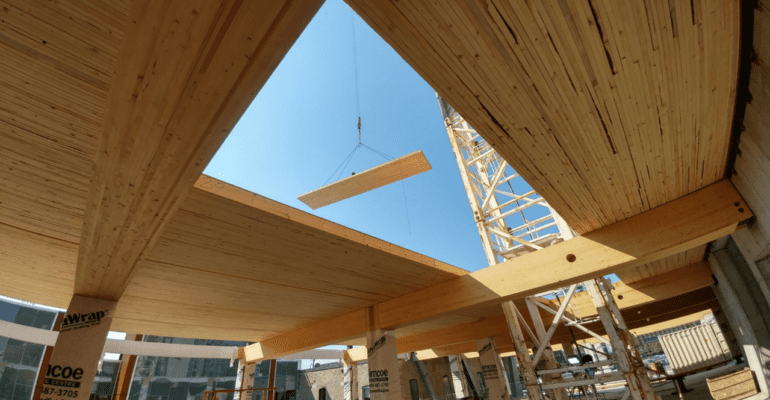
For example, the use of engineered timber products such as cross-laminated timber and glulam is growing due to their excellent sustainability credentials. If you are interested in the advantages of these materials, discover the cross laminated timber benefits and glulam timber construction uses in modern sustainable builds.
Additionally, BREEAM’s emphasis on responsible sourcing has led to greater awareness around product certifications and supply chain ethics. This not only benefits the environment but also supports social responsibility and fair labor practices worldwide.
How BREEAM Standards Shape Material Choices
When planning a sustainable building, project teams must carefully evaluate the materials they specify. BREEAM’s framework provides a structured approach to this process, guiding decisions based on environmental performance, health impacts, and long-term value.
Some of the most commonly used materials that align with BREEAM’s principles include:
- Certified Timber: Wood products from forests managed to strict environmental and social standards.
- Bamboo: A rapidly renewable resource with a low carbon footprint and high durability.
- Recycled Steel and Aluminum: Metals with high recycled content reduce energy use and emissions.
- Natural Insulation: Products like sheep’s wool or cellulose that offer excellent thermal performance and low toxicity.
- Low-VOC Finishes: Paints, adhesives, and sealants that minimize indoor air pollution.
To stay ahead of trends in eco-friendly construction, consider reviewing sustainable building materials for 2025 and how they are shaping the future of green construction.
Challenges and Opportunities in Meeting BREEAM Criteria
While the benefits of adhering to these standards are clear, there are also challenges. Sourcing certified materials can be more expensive or logistically complex, especially in regions where supply chains are less developed. Additionally, verifying the environmental claims of products requires robust documentation and third-party certification.
However, these challenges are driving positive change. As demand for sustainable products grows, manufacturers are investing in greener processes and greater transparency. This, in turn, makes it easier for project teams to meet BREEAM’s requirements and deliver high-performance, low-impact buildings.
Roofing is another area where sustainable choices can make a significant difference. For those considering eco-friendly options, take a look at eco friendly roofing shingles for ideas on reducing the environmental impact of your next project.
Benefits of Adopting BREEAM’s Approach to Materials
Embracing BREEAM’s approach to material selection offers several advantages:
- Reduced Environmental Impact: Lower carbon emissions, less waste, and conservation of natural resources.
- Enhanced Building Performance: Improved energy efficiency, durability, and occupant health.
- Market Value: Certified buildings often command higher rents and resale values.
- Regulatory Compliance: Many governments and municipalities now require or incentivize sustainable construction practices.
- Future-Proofing: Buildings designed with sustainability in mind are better equipped to meet evolving standards and expectations.
Ultimately, integrating these principles into construction projects is not only beneficial for the environment but also makes good business sense.
Frequently Asked Questions
What types of materials are most commonly used to meet BREEAM standards?
Materials that are responsibly sourced, have low embodied carbon, and are durable are favored. Examples include FSC-certified timber, recycled steel, bamboo, and natural insulation products.
How does BREEAM compare to other green building certifications?
BREEAM is one of the oldest and most widely used sustainability assessment methods. It is similar to LEED and WELL, but places a strong emphasis on lifecycle impacts and responsible sourcing of materials.
Can BREEAM standards be applied to renovation projects?
Yes, BREEAM provides specific guidance for both new builds and refurbishments. Using sustainable materials in renovations can help improve a building’s environmental performance and achieve certification.