Choosing the right roofing material is a major step toward building a more sustainable and energy-efficient home. As more homeowners seek to reduce their environmental impact, eco friendly roofing shingles have become an increasingly popular solution. These innovative materials not only help conserve resources but also enhance the look and value of your property.
Opting for sustainable roofing options can lead to lower utility bills, improved indoor comfort, and a smaller carbon footprint. Whether you’re planning a new build or replacing an aging roof, understanding the benefits and types of green roofing materials will help you make an informed decision that aligns with your values and long-term goals.
For those interested in exploring other sustainable building materials, you might also find value in learning about glulam timber construction uses, which offer both strength and environmental benefits for modern homes.
Why Choose Sustainable Roofing Materials?
Traditional roofing products, such as asphalt shingles, are often made from petroleum-based materials and can contribute to landfill waste at the end of their lifespan. In contrast, eco friendly roofing shingles are designed to minimize environmental harm throughout their lifecycle. Here are some of the main reasons homeowners are making the switch:
- Resource Conservation: Many green roofing products are made from recycled or rapidly renewable materials, reducing the demand for virgin resources.
- Energy Efficiency: Some sustainable shingles reflect sunlight and help keep homes cooler, which can lower air conditioning costs during hot months.
- Durability: High-quality eco shingles often last longer than conventional options, reducing the need for frequent replacements.
- Reduced Waste: At the end of their useful life, many green shingles can be recycled or composted, diverting waste from landfills.
Types of Eco Friendly Roofing Shingles
The market for sustainable roofing has expanded rapidly, offering a range of materials to suit different climates, budgets, and architectural styles. Below are some of the most popular options:
Recycled Composite Shingles
These shingles are made from a blend of recycled plastics, rubber, and sometimes wood fibers. They mimic the look of traditional slate or wood shakes but are much lighter and require less maintenance. Their use of post-consumer materials helps divert waste from landfills.
Metal Roofing
Metal roofs, including those made from steel, aluminum, or copper, are highly durable and often contain a significant percentage of recycled content. They reflect solar heat, which can help keep homes cooler, and are fully recyclable at the end of their lifespan.
Clay and Concrete Tiles
Natural clay and concrete tiles are long-lasting, fire-resistant, and made from abundant materials. While their production does require energy, their longevity and recyclability make them a greener choice than many conventional products.
Wood Shingles and Shakes
When sourced from sustainably managed forests, wood shingles and shakes offer a renewable and biodegradable roofing option. Look for products certified by organizations like the Forest Stewardship Council (FSC) to ensure responsible harvesting practices.
Solar Shingles
Solar roofing integrates photovoltaic cells directly into the shingles, allowing homeowners to generate clean electricity while protecting their homes. While the upfront investment is higher, these systems can significantly reduce utility bills over time.
Key Benefits of Green Roofing Shingles
Switching to eco friendly roofing shingles offers a range of advantages beyond environmental stewardship. Here are some of the most significant benefits for homeowners:
- Enhanced Curb Appeal: Many sustainable shingles are available in a variety of colors and styles, complementing both modern and traditional homes.
- Improved Home Value: Green features are increasingly attractive to buyers, potentially increasing your property’s resale value.
- Better Indoor Comfort: Some eco shingles provide superior insulation, helping to maintain a consistent indoor temperature year-round.
- Lower Maintenance: Durable materials like metal and composite require less upkeep, saving time and money over the roof’s lifespan.
How to Select the Right Sustainable Shingles
With so many options available, choosing the best eco roofing material for your home can feel overwhelming. Consider the following factors to narrow down your choices:
- Climate Suitability: Some materials perform better in certain climates. For example, metal roofs are ideal for areas with heavy snowfall, while clay tiles excel in hot, dry regions.
- Budget: Upfront costs vary widely. While solar and metal options may cost more initially, their longevity and energy savings can offset the investment over time.
- Local Availability: Using locally sourced materials reduces transportation emissions and supports regional economies.
- Certifications: Look for products with third-party certifications for recycled content, sustainable sourcing, or energy efficiency.
Consulting with a roofing professional can help you assess your home’s needs and identify the most suitable green roofing solution.
Installation and Maintenance Considerations
Proper installation is crucial for maximizing the performance and lifespan of any roofing material. Many eco shingles can be installed using standard techniques, but some—such as solar or living roofs—may require specialized expertise. Regular maintenance, such as cleaning gutters and inspecting for damage, will help ensure your roof remains in top condition for years to come.
For additional ideas on sustainable home upgrades, you may want to read about cotton insulation eco friendly uses for safer and greener indoor environments.
Environmental Impact and Certifications
When evaluating green roofing options, it’s important to consider the full lifecycle impact—from raw material extraction to end-of-life disposal. Look for products with certifications such as Energy Star, Cradle to Cradle, or FSC, which indicate a commitment to sustainability and responsible manufacturing. For a deeper dive into the science behind sustainable construction materials, explore this peer-reviewed research on eco-friendly building materials.
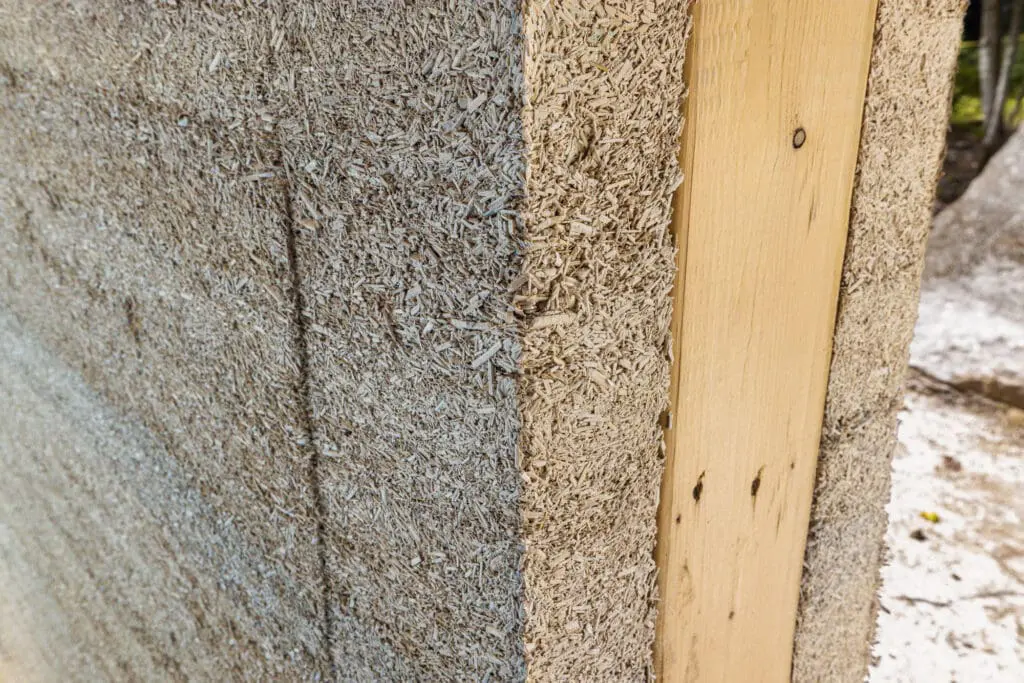
Additionally, integrating other renewable materials into your home—such as those discussed in hemp fiber construction uses or jute construction materials benefits—can further enhance your property’s sustainability profile.
Frequently Asked Questions
What makes roofing shingles environmentally friendly?
Green roofing shingles are typically made from recycled, renewable, or sustainably sourced materials. They are designed to minimize waste, reduce energy consumption, and often have a longer lifespan than traditional options. Some also offer improved energy efficiency by reflecting sunlight or providing better insulation.
How long do sustainable shingles last compared to traditional ones?
Many eco options, such as metal or composite shingles, can last 40–70 years or more with proper care—significantly longer than standard asphalt shingles, which usually need replacement every 15–30 years. Longevity depends on the material, installation quality, and local climate conditions.
Are green roofing materials more expensive?
Upfront costs for sustainable shingles can be higher than conventional products, especially for advanced options like solar roofing. However, their durability, lower maintenance requirements, and potential energy savings often make them more cost-effective over the long term.
Conclusion
Investing in eco friendly roofing shingles is a practical way to boost your home’s curb appeal while supporting a healthier planet. By choosing materials that are durable, energy-efficient, and responsibly sourced, you can enjoy a beautiful roof that aligns with your environmental values. For further inspiration on sustainable building, consider exploring wood alternatives sustainable building to discover more modern, eco-conscious material choices for your next project.