As the demand for environmentally responsible construction grows, builders and homeowners are seeking wood alternatives for sustainable building that reduce environmental impact while delivering durability and style. Traditional timber, while renewable, often involves deforestation and long regrowth periods. Fortunately, a new generation of innovative materials is reshaping how we think about eco-friendly construction. This guide explores modern material choices that are transforming the built environment, offering practical solutions for greener projects.
Whether you are designing a new home, renovating, or simply interested in sustainable architecture, understanding these alternatives can help you make informed decisions. For those curious about the latest trends in natural construction, exploring plant based building materials can provide further insights into how nature-inspired innovations are shaping the future of building.
Why Seek Out Eco-Friendly Construction Materials?
Choosing sustainable substitutes for wood is about more than just reducing deforestation. The construction industry is a significant contributor to global carbon emissions, resource depletion, and landfill waste. By adopting greener materials, builders can:
- Lower embodied carbon in buildings
- Reduce reliance on slow-growing forests
- Improve indoor air quality
- Enhance building durability and energy efficiency
Many of these alternatives are rapidly renewable, recycled, or even grown from agricultural byproducts, making them a smart choice for the planet and future generations.
Bamboo: A Fast-Growing Renewable Resource
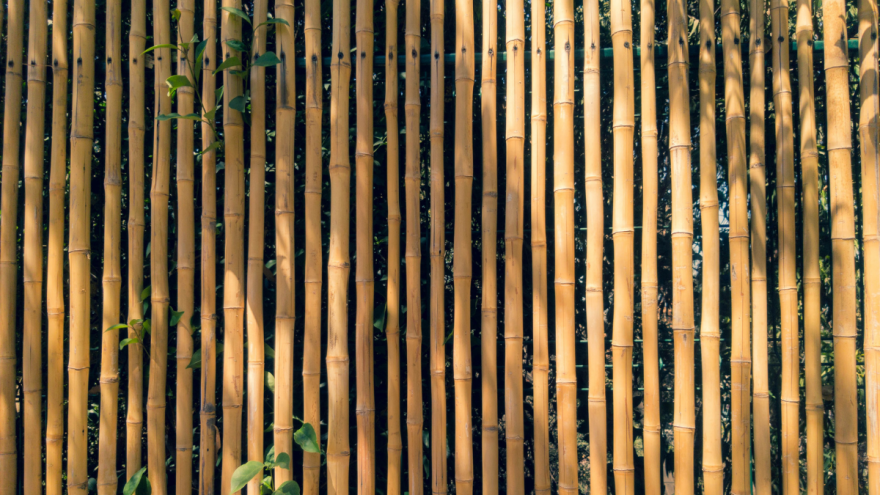
Bamboo stands out as one of the most popular wood alternatives for sustainable building. Unlike hardwood trees, bamboo matures in just 3–5 years and regenerates from its own root system, eliminating the need for replanting. Its strength-to-weight ratio rivals that of steel, making it suitable for structural applications, flooring, cabinetry, and decorative finishes.
Bamboo is also naturally resistant to pests and moisture, reducing the need for chemical treatments. Its versatility and rapid renewability have made it a favorite for architects and eco-conscious builders worldwide.
Recycled and Engineered Materials for Greener Construction
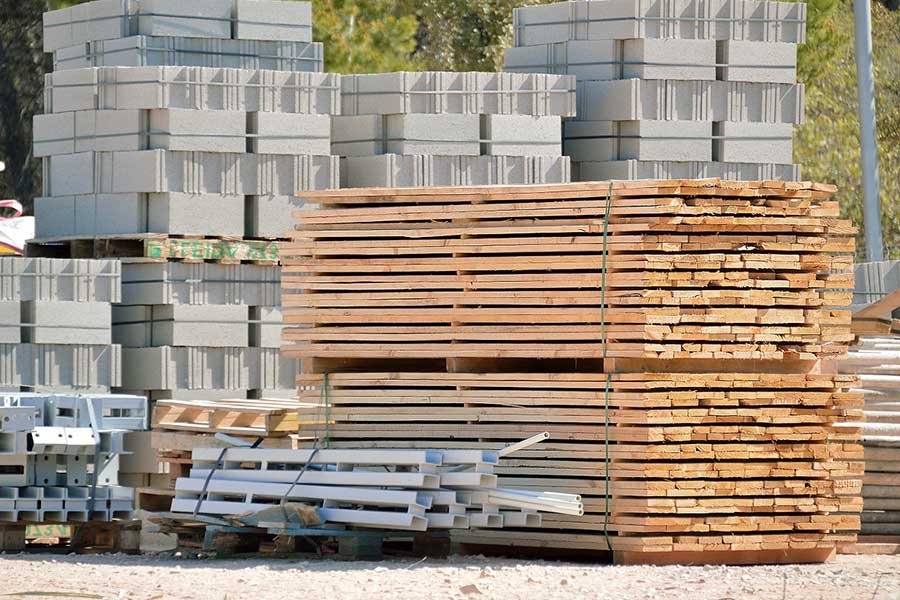
Another key trend in eco-friendly building is the use of recycled and engineered products. These materials often outperform traditional wood in durability and sustainability:
- Recycled plastic lumber: Made from post-consumer plastics, this material resists rot, insects, and moisture. It is ideal for decking, fencing, and outdoor furniture.
- Engineered wood products: Items like cross-laminated timber (CLT), laminated veneer lumber (LVL), and oriented strand board (OSB) use smaller, fast-growing trees and wood scraps, maximizing resource efficiency.
- Composite panels: These combine agricultural fibers (such as straw or hemp) with resins to create strong, lightweight boards for walls, flooring, and cabinetry.
By incorporating recycled content, these materials help divert waste from landfills and reduce the demand for virgin timber.
Natural Fiber Insulation and Bio-Based Options
Insulation is a critical component of any energy-efficient building. Traditional fiberglass and foam insulations can have environmental drawbacks, but several wood alternatives for sustainable building offer excellent thermal performance with a lower ecological footprint:
- Cotton (denim) insulation: Made from recycled textile fibers, it is safe to handle and offers good sound absorption.
- Sheep’s wool: Naturally fire-resistant and moisture-regulating, wool insulation is renewable and biodegradable.
- Cork: Harvested from the bark of cork oak trees without harming the tree, cork is a renewable, mold-resistant, and sound-absorbing material.
- Cellulose: Produced from recycled paper, cellulose insulation is treated for fire resistance and provides effective thermal protection.
For those interested in the cutting edge of green insulation, learning about mushroom insulation material construction can reveal how mycelium-based products are making waves in sustainable design.
Innovative Plant-Based and Algae-Derived Materials
Recent advances have introduced building materials derived from fast-growing plants and even algae. These options are not only renewable but can also sequester carbon during their growth, further reducing a building’s environmental impact. For example, hempcrete—a blend of hemp fibers and lime—offers excellent insulation and fire resistance. Algae-based panels and coatings are being explored for their ability to purify air and provide natural colorants.
To dive deeper into these innovations, explore resources on algae based building materials and bio based construction materials for a comprehensive look at the future of sustainable architecture.
Comparing Performance and Sustainability
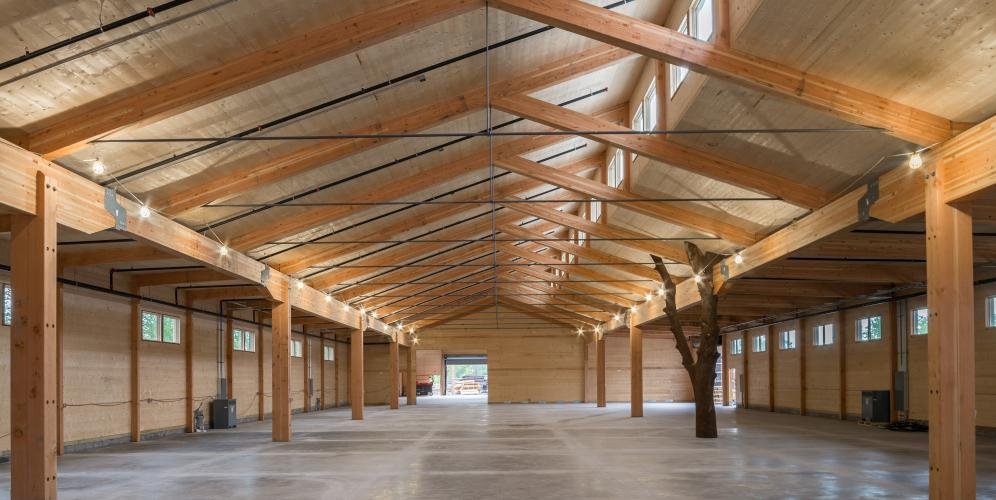
When evaluating modern alternatives to wood, it’s important to consider not only their environmental benefits but also their performance in real-world applications. Many of these materials offer advantages such as:
- Improved resistance to moisture, insects, and decay
- Lower maintenance requirements
- Greater design flexibility
- Potential for healthier indoor environments
For example, composite decking made from recycled plastics and wood fibers can last decades with minimal upkeep, while bamboo flooring provides a warm, natural look with superior hardness compared to many hardwoods.
Certifications and Sourcing for Responsible Building
To ensure your project truly supports sustainability, look for certifications such as FSC (Forest Stewardship Council), Cradle to Cradle, or GREENGUARD. These labels indicate responsible sourcing, low emissions, and safe manufacturing practices. Additionally, sourcing materials locally can reduce transportation emissions and support regional economies.
For a broader perspective on eco-friendly options, the latest research on sustainable and eco-friendly building materials highlights ongoing innovations and best practices from around the world.
Challenges and Considerations When Switching to Green Materials
While the benefits of wood alternatives for sustainable building are clear, there are some challenges to consider:
- Initial costs may be higher for some materials, though long-term savings often offset this
- Availability can vary by region
- Building codes and standards may limit the use of certain innovative products
- Proper installation is key to maximizing performance and durability
Working with knowledgeable architects, builders, and suppliers can help navigate these challenges and ensure a successful, sustainable outcome.
Looking Ahead: The Future of Sustainable Construction
The movement toward eco-friendly construction materials is accelerating, driven by consumer demand, regulatory changes, and a growing awareness of the built environment’s impact on the planet. As research and technology advance, expect to see even more creative solutions—such as mycelium-based composites and carbon-negative panels—enter the mainstream. For those interested in the possibilities of fungal materials, learning about mycelium building materials uses can be particularly inspiring.
Ultimately, every project that incorporates sustainable alternatives helps reduce environmental harm and sets a positive example for the industry. By staying informed and open to new materials, builders and homeowners alike can contribute to a healthier, more resilient future.
Frequently Asked Questions
What are the most popular wood alternatives for sustainable building?
Some of the most widely used substitutes include bamboo, recycled plastic lumber, engineered wood products, cork, and plant-based composites like hempcrete. Each offers unique benefits in terms of renewability, durability, and environmental impact.
Are these eco-friendly materials as durable as traditional wood?
Many modern alternatives match or exceed the performance of conventional timber. For example, bamboo is harder than many hardwoods, and recycled plastic lumber is highly resistant to rot and insects. Proper installation and maintenance are important for maximizing longevity.
How can I ensure the materials I choose are truly sustainable?
Look for third-party certifications such as FSC, Cradle to Cradle, or GREENGUARD. Sourcing locally and choosing products with recycled or rapidly renewable content also support sustainability goals.