As the construction industry seeks new ways to reduce its environmental impact, algae based building materials are emerging as a promising solution. These innovative materials harness the power of microalgae and macroalgae to create products that are renewable, carbon-sequestering, and highly adaptable. From insulation panels to bioplastics, algae-derived components are reshaping the future of sustainable architecture.
Interest in bio-based alternatives has grown alongside the push for zero waste construction materials and circular economy principles. In fact, algae’s rapid growth and ability to absorb carbon dioxide make it a leading candidate for next-generation green building products. For those exploring other eco-friendly options, you might also be interested in mycelium building materials uses, which offer another innovative approach to sustainable construction.
What Are Algae-Derived Construction Materials?
Algae-based products in construction refer to materials made from the biomass of algae, either microalgae (single-celled organisms) or macroalgae (seaweed). These organisms are cultivated in controlled environments or harvested from natural sources, then processed into usable forms for building applications. The resulting products can serve as insulation, bioplastics, binders, coatings, and even structural components.
Unlike traditional materials that rely on finite resources or energy-intensive manufacturing, algae can be grown on non-arable land, require minimal freshwater, and thrive on sunlight and carbon dioxide. This makes them a highly sustainable feedstock for the built environment.
Key Benefits of Algae-Based Materials in Architecture
Incorporating algae into building products offers several advantages:
- Rapid renewability: Algae can double its biomass in a matter of days, ensuring a steady supply for manufacturing.
- Carbon sequestration: During growth, algae absorb significant amounts of CO2, helping offset emissions from other construction activities.
- Biodegradability: Many algae-derived products break down naturally at end-of-life, reducing landfill waste.
- Versatility: Algae can be engineered to produce specific compounds, allowing for tailored material properties such as fire resistance or enhanced insulation.
- Reduced resource use: Algae cultivation often requires less land and water compared to crops like cotton or timber.
These benefits align closely with the goals of circular economy construction materials and support the transition to more resilient, low-impact buildings.
Types of Algae-Based Building Products
Several categories of building materials are now being developed or commercialized using algae as a primary ingredient:
Insulation Panels and Boards
Algae fibers can be processed into lightweight, insulating panels suitable for walls, roofs, and floors. These panels offer good thermal performance and can be composted at end-of-life. Some products combine algae with other bio-based fibers for added strength and durability.
Bioplastics and Composites
Algae oils and starches are used to create bioplastics that serve as alternatives to petroleum-based plastics. These bioplastics can be molded into tiles, wall claddings, or decorative elements. When combined with natural fibers, they form strong, lightweight composites for interior and exterior use.
Binders and Cements
Researchers are exploring algae-derived binders as replacements for traditional Portland cement. These binders can reduce the carbon footprint of concrete and mortar, and in some cases, even enhance durability.
Coatings and Paints
Algae pigments and oils are being used to develop low-VOC paints and coatings. These products offer vibrant colors, natural antimicrobial properties, and improved indoor air quality.
How Algae Materials Compare to Other Green Solutions
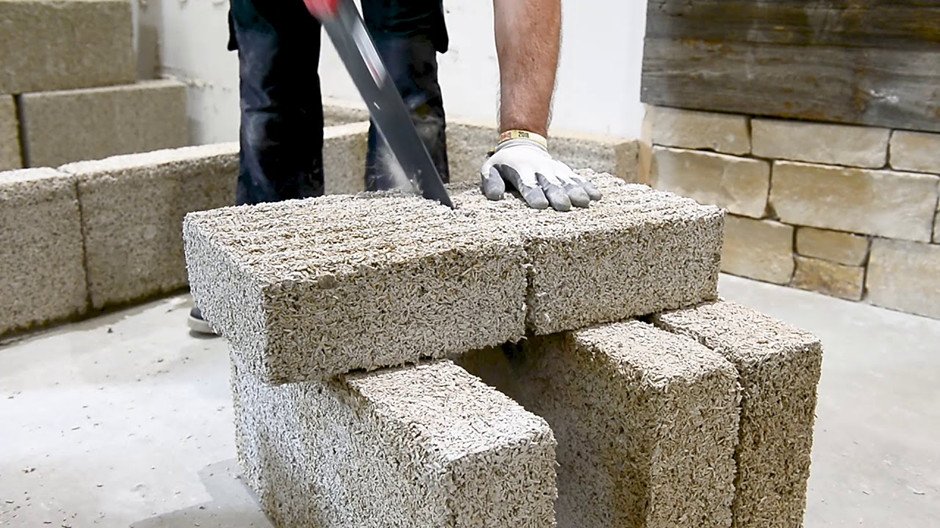
When considering sustainable construction, it’s helpful to compare algae-based options with other bio-based and recycled materials. For example, recycled plastic building materials offer durability and waste reduction, while mycelium and hempcrete provide natural insulation and carbon storage. Algae stands out for its rapid growth and ability to be engineered for specific performance needs.
Unlike timber or bamboo, algae doesn’t require arable land or large amounts of freshwater. This makes it ideal for regions facing resource constraints. Additionally, algae-based products can be produced year-round in controlled environments, ensuring consistent quality and supply.
Challenges and Considerations for Adoption
Despite their promise, algae-derived materials face several hurdles before they can be widely adopted in mainstream construction:
- Scaling production: Most algae-based products are still in the early stages of commercialization, with limited large-scale manufacturing capacity.
- Cost: Current prices are often higher than conventional materials, though costs are expected to decrease as production scales up.
- Regulatory approval: Building codes and standards may not yet recognize some algae-based products, requiring additional testing and certification.
- Market awareness: Builders and architects need more information and case studies to feel confident specifying these new materials.
Continued research and pilot projects are helping to address these challenges. For those interested in the science behind these innovations, the latest research on algae-based composites provides valuable insights into their performance and environmental benefits.
Future Prospects for Algae in Sustainable Construction
As technology advances, the range of applications for algae-derived products is expected to grow. Researchers are developing algae-based glass, transparent solar panels, and even living facades that clean the air and generate energy. Partnerships between biotech firms, architects, and builders are accelerating the path from laboratory to construction site.
For those looking to expand their knowledge of eco-friendly materials, exploring plastic lumber construction uses and other circular solutions can offer additional inspiration for sustainable design.
Frequently Asked Questions
Are algae-based materials safe for indoor use?
Yes, most algae-derived products are non-toxic and free from harmful chemicals. In fact, some offer natural antimicrobial properties and improved indoor air quality compared to conventional materials.
How do algae-based products compare in durability?
Many algae-based composites and bioplastics are engineered for strength and longevity. While some applications are best suited for non-structural elements, ongoing research is improving their durability for broader use in construction.
Can algae materials be recycled or composted?
Most algae-based products are biodegradable or compostable, making them ideal for zero waste and circular economy construction. However, recycling options depend on the specific formulation and local facilities.
Where can I find more information about sustainable building materials?
For a deeper dive into circular and recycled options, check out resources on zero waste construction materials and related topics.
As the industry continues to evolve, algae-based solutions are poised to play a pivotal role in creating buildings that are not only functional and beautiful but also environmentally responsible.