As the construction industry seeks to reduce its environmental impact, the concept of zero waste construction materials is gaining momentum. These innovative products are designed to minimize landfill waste, maximize resource efficiency, and support circular building practices. By choosing materials that can be reused, recycled, or safely returned to nature, architects and builders can create structures that are both sustainable and resilient.
Adopting a circular approach means considering the entire lifecycle of building components—from sourcing and manufacturing to installation, use, and eventual reuse or recycling. This guide explores leading material options, practical strategies, and the benefits of integrating zero waste principles into modern construction projects.
For those interested in broader sustainable options, exploring eco friendly composite materials can complement the use of zero waste solutions and further reduce a project’s carbon footprint.
Understanding Circular Building and Waste-Free Materials
Circular building design is an approach that prioritizes the continuous use of resources. Instead of following a linear “take-make-dispose” model, circular construction aims to keep materials in use for as long as possible. This is achieved by selecting products that are durable, easy to disassemble, and recyclable or biodegradable at the end of their service life.
Zero waste construction materials are central to this philosophy. They are manufactured with minimal waste, often from renewable or recycled sources, and are intended to be reused or safely reintegrated into the environment. This reduces reliance on virgin resources and cuts down on the volume of construction and demolition debris sent to landfills.
Key Benefits of Zero Waste Materials in Construction
- Reduced Environmental Impact: Less waste sent to landfill and lower demand for raw materials.
- Resource Efficiency: Materials are designed for multiple life cycles, maximizing their value.
- Healthier Buildings: Many zero waste products are non-toxic and improve indoor air quality.
- Cost Savings: Reusing and recycling materials can lower disposal and procurement costs.
- Regulatory Compliance: Increasingly, green building standards and local regulations favor waste reduction strategies.
Popular Zero Waste Construction Materials for Circular Projects
Let’s look at some of the most promising materials that support waste-free construction and circularity:
Bamboo: Rapidly Renewable and Versatile
Bamboo is a fast-growing, renewable resource that is used for flooring, structural elements, and wall panels. Its strength, flexibility, and natural resistance to pests make it a favorite for sustainable projects. Bamboo products can be reused, composted, or recycled at the end of their life, supporting zero waste goals.
Hempcrete: Carbon-Negative and Biodegradable
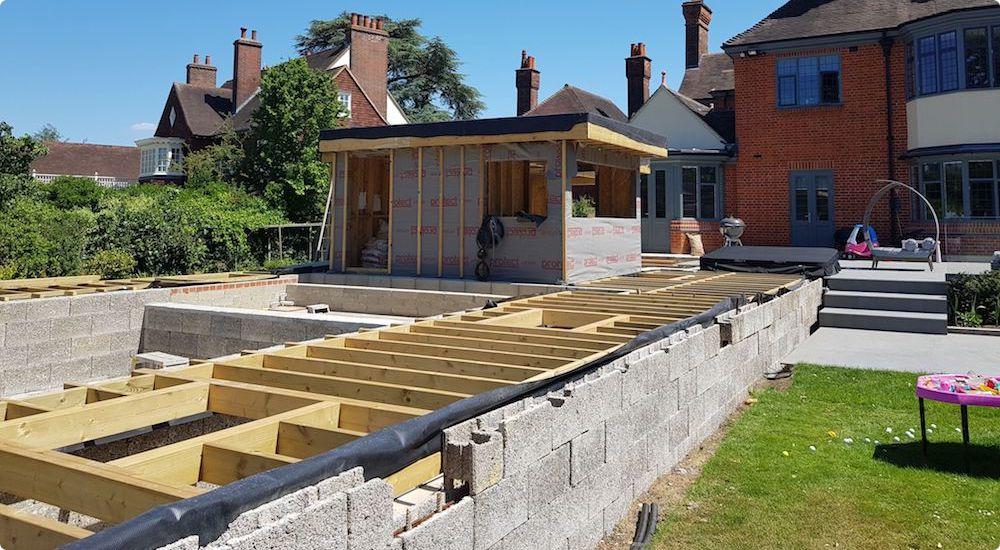
Hempcrete is a lightweight, insulating material made from hemp fibers and lime. It absorbs carbon dioxide during curing, making it a carbon-negative option. At the end of its lifespan, hempcrete can be crushed and returned to the earth, leaving no toxic residue. Its use is expanding in both residential and commercial projects focused on sustainability.
Recycled Steel and Aluminum: Infinite Recyclability
Metals like steel and aluminum can be recycled repeatedly without losing their structural integrity. Using recycled metal in construction reduces energy consumption and diverts waste from landfills. These materials are ideal for framing, roofing, and façade systems in circular buildings.
Ferrock: Turning Waste into Strength
Ferrock is an innovative material made from recycled steel dust and other industrial byproducts. It offers strength comparable to concrete but is more sustainable, as it utilizes waste that would otherwise be discarded. Ferrock also absorbs carbon dioxide during hardening, further reducing its environmental impact.
Reclaimed and Recycled Materials: Giving Old Products New Life
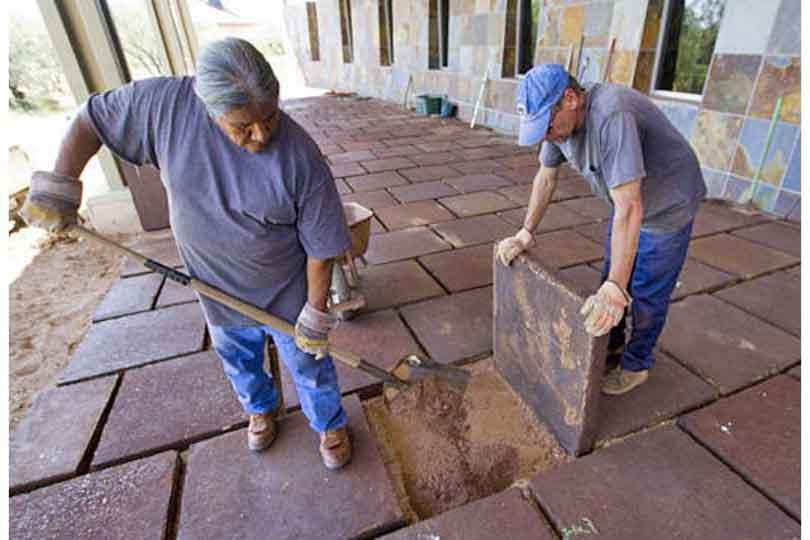
Salvaged wood, bricks, and tiles from demolition sites can be cleaned and reused in new construction. This not only preserves valuable resources but also adds unique character to buildings. Recycled glass and plastic are increasingly used for tiles, countertops, and insulation, reducing the need for virgin materials.
Natural Plasters and Low-Impact Alternatives
Using natural plasters, such as clay or lime, creates breathable, healthy interiors and avoids synthetic chemicals. These materials are biodegradable and can be removed and reused or composted. For more on these options, see natural plaster materials and lime plaster benefits in construction for durability and health benefits.
Design Strategies for Waste-Free Construction
To fully realize the benefits of zero waste construction materials, it’s important to integrate circular thinking into every stage of the building process. Here are some practical strategies:
- Design for Disassembly: Use mechanical fasteners instead of adhesives, and plan for easy separation of components at end-of-life.
- Modular Construction: Prefabricated modules can be reused, reconfigured, or recycled, reducing waste during renovations or demolition.
- Material Passports: Document the origin, composition, and recyclability of all materials to facilitate future reuse or recycling.
- Source Locally: Reduce transportation emissions and support regional economies by choosing nearby suppliers of sustainable materials.
- Prioritize Certified Products: Look for third-party certifications that verify environmental performance and responsible sourcing.
Challenges and Considerations
While the shift toward zero waste and circularity offers significant advantages, there are challenges to consider:
- Availability: Not all regions have easy access to advanced sustainable materials.
- Cost: Some zero waste products may have higher upfront costs, though these are often offset by long-term savings.
- Technical Knowledge: Builders and designers may need training to work with new materials and systems.
- Regulatory Barriers: Building codes and standards may not always accommodate innovative products.
Despite these hurdles, the industry is rapidly evolving. Staying informed about sustainable building materials and best practices can help professionals make informed decisions and advocate for policy changes.
Integrating Zero Waste Materials into Your Next Project
Whether you are designing a new building or renovating an existing one, incorporating zero waste construction materials can make a measurable difference. Start by evaluating your project’s goals, available resources, and local supply chains. Collaborate with suppliers, architects, and contractors who share a commitment to circularity. Consider combining these materials with other low impact construction materials to further reduce your project’s environmental footprint.
As demand for sustainable solutions grows, more options are becoming available, making it easier to build responsibly without sacrificing performance or aesthetics.
Frequently Asked Questions
What are the main characteristics of zero waste construction materials?
These materials are designed to minimize waste throughout their lifecycle. They are often made from renewable, recycled, or salvaged sources, can be reused or recycled at end-of-life, and avoid toxic additives. Their production and use support a circular economy by keeping resources in use and out of landfills.
How do zero waste materials contribute to healthier buildings?
Many waste-free options, such as natural plasters and bamboo, are non-toxic and improve indoor air quality. They avoid harmful chemicals found in conventional products, creating safer environments for occupants.
Can zero waste materials meet modern building codes and standards?
Yes, many of these products are rigorously tested for performance and safety. However, it’s important to verify local regulations and choose certified materials to ensure compliance. As awareness grows, more codes are being updated to accommodate sustainable innovations.