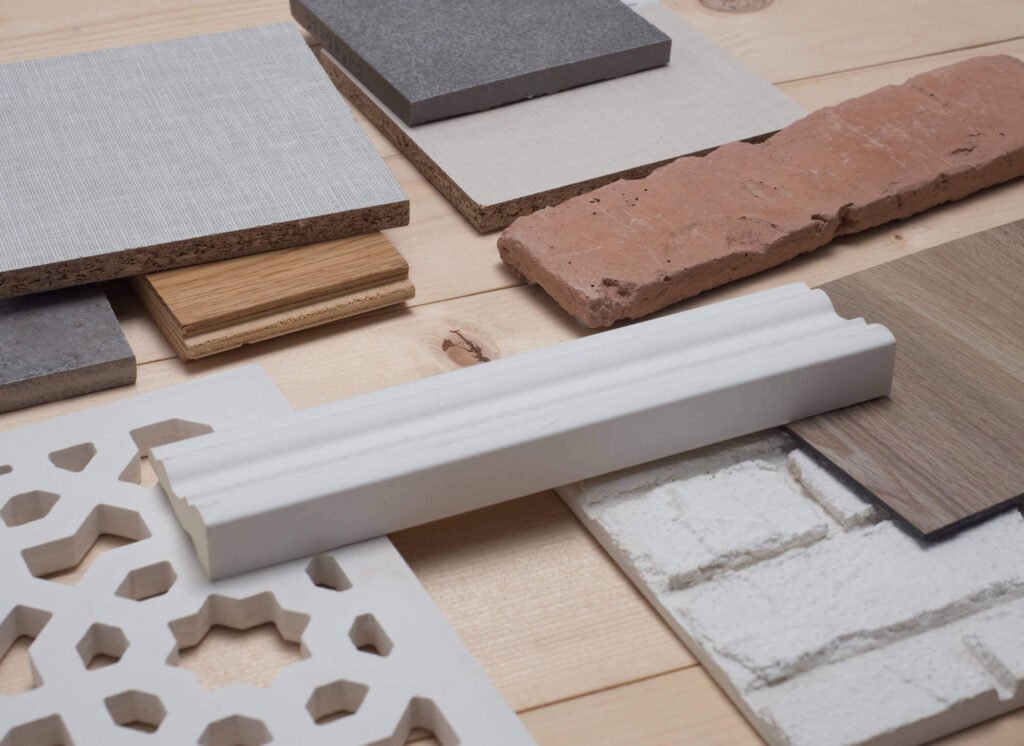
Designing healthy, sustainable interiors starts with the materials you choose for your walls. Natural plaster materials offer a unique blend of breathability, beauty, and environmental responsibility that modern synthetic finishes often lack. These traditional wall coverings—ranging from clay and lime to gypsum and earth-based blends—support indoor air quality, regulate humidity, and provide a timeless, tactile finish that elevates any space.
Homeowners, architects, and builders are increasingly turning to these eco-friendly options for both new construction and renovation projects. Whether you’re seeking to create a cozy, toxin-free home or want to reduce your carbon footprint, exploring the world of natural wall finishes is a smart step. For those interested in sustainable wall systems, you may also want to learn about eco friendly wall materials that complement these plasters.
What Makes Natural Plaster Materials Unique?
Unlike conventional gypsum drywall or cement-based renders, natural plaster materials are derived from minimally processed minerals and renewable resources. Their main advantages include:
- Breathability: These plasters allow vapor to pass through, reducing the risk of mold and dampness.
- Non-toxicity: Free from synthetic chemicals, they contribute to healthier indoor air.
- Thermal and acoustic comfort: Many natural plasters help regulate temperature and absorb sound.
- Low embodied energy: Their production often requires less energy than modern alternatives.
- Timeless beauty: Natural wall finishes offer subtle textures and earthy colors that age gracefully.
For those interested in further eco-friendly construction practices, you can explore the importance of eco-friendly construction and its impact on both the environment and occupant health.
Types of Natural Plaster for Healthy Walls
There are several main categories of natural plaster materials, each with unique properties and best-use scenarios. Understanding the differences can help you choose the right finish for your project.
Clay Plaster: The Ancient, Adaptable Choice
Clay is one of the oldest and most versatile wall finishes. Sourced directly from the earth, clay plasters are composed of clay, sand, and natural fibers. They are:
- Highly breathable and excellent at regulating humidity
- Easy to repair and maintain
- Available in a range of natural colors and textures
Clay finishes are particularly valued for their ability to absorb and release moisture, making them ideal for bedrooms, living rooms, and spaces where air quality is a priority. For more on this topic, see our guide on clay plaster eco friendly uses in interior design projects.
Lime Plaster: Durable and Antimicrobial
Lime-based plasters have been used for centuries in both interior and exterior applications. Made from slaked lime, sand, and sometimes natural pigments or fibers, lime plasters offer:
- Natural resistance to mold and bacteria
- Excellent vapor permeability
- Long-lasting durability and a beautiful matte finish
Lime is especially suitable for historic renovations and masonry walls, as it moves and breathes with the building, preventing cracking and moisture buildup.
Gypsum Plaster: Fast-Setting and Smooth
While gypsum is commonly associated with drywall, natural gypsum plasters are a more sustainable alternative to synthetic wallboard compounds. They set quickly, provide a smooth surface, and are ideal for finishing interior walls where a crisp, modern look is desired.
Earthen and Mixed Plasters
Some natural wall finishes blend clay, lime, gypsum, and other minerals to achieve specific performance or aesthetic goals. Additives like straw, hemp, or cellulose fibers can improve strength and texture. These blends are often used in compressed earth blocks construction and other high-performance natural wall systems.
Benefits of Using Breathable Wall Finishes
Choosing natural plaster materials for your walls delivers a range of practical and aesthetic benefits:
- Improved indoor air quality: These plasters do not off-gas harmful VOCs, making them ideal for allergy-sensitive households.
- Moisture regulation: Breathable finishes help maintain stable humidity, reducing condensation and the risk of mold.
- Thermal comfort: Many natural plasters have thermal mass, helping to moderate indoor temperatures.
- Unique appearance: Each wall is hand-finished, resulting in subtle variations and a warm, organic look.
- Eco-friendliness: Sourcing and producing these materials typically has a lower environmental impact than synthetic alternatives.
For those considering sustainable masonry, fly ash bricks benefits can also complement natural wall finishes to create a holistic green building envelope.
Installation and Maintenance Considerations
Applying natural wall plasters requires some skill, but many DIYers and professionals alike find the process rewarding. Here are a few tips for success:
- Always start with a stable, clean substrate—masonry, earth blocks, or lath are ideal.
- Mix plasters according to manufacturer or traditional recipes, adjusting for climate and application.
- Apply in thin, even coats, allowing each layer to dry thoroughly before the next.
- Maintain by repairing cracks with fresh plaster and gently cleaning with a damp sponge when needed.
For faster and more sustainable building methods, you might also explore interlocking bricks advantages as a compatible wall system for natural finishes.

How to Choose the Right Natural Wall Finish
Selecting the best plaster for your project depends on several factors:
- Climate: Clay and lime are both suitable for most temperate climates, but lime excels in damp or historic buildings.
- Substrate: Masonry, earth, and wood lath all work well, but some plasters may require specific preparation.
- Desired look: Clay offers earthy textures, lime provides a soft matte sheen, and gypsum delivers a crisp, smooth finish.
- Maintenance: All-natural plasters are repairable, but some (like clay) are easier to patch than others.
- Budget: Material and labor costs vary, but many natural finishes are cost-competitive with high-end synthetic options.
When planning your project, consider combining natural plaster materials with other sustainable building components for a truly high-performance home.
FAQ
Are natural plasters suitable for bathrooms and kitchens?
Yes, but with some considerations. Lime plasters are naturally antimicrobial and moisture-resistant, making them a good choice for damp areas. Clay plasters can be used in kitchens and bathrooms if protected from direct water exposure and sealed with natural waxes or oils.
Can I apply natural plaster over existing drywall?
In many cases, yes. The surface must be properly prepared—usually by roughening and priming with a mineral-based primer. Always consult product guidelines or a professional for best results.
How do natural wall finishes compare to paint in terms of maintenance?
Natural plasters are generally more durable and easier to repair than painted drywall. Small cracks or chips can be patched with fresh plaster, and the finish can be refreshed without stripping or sanding as with paint.