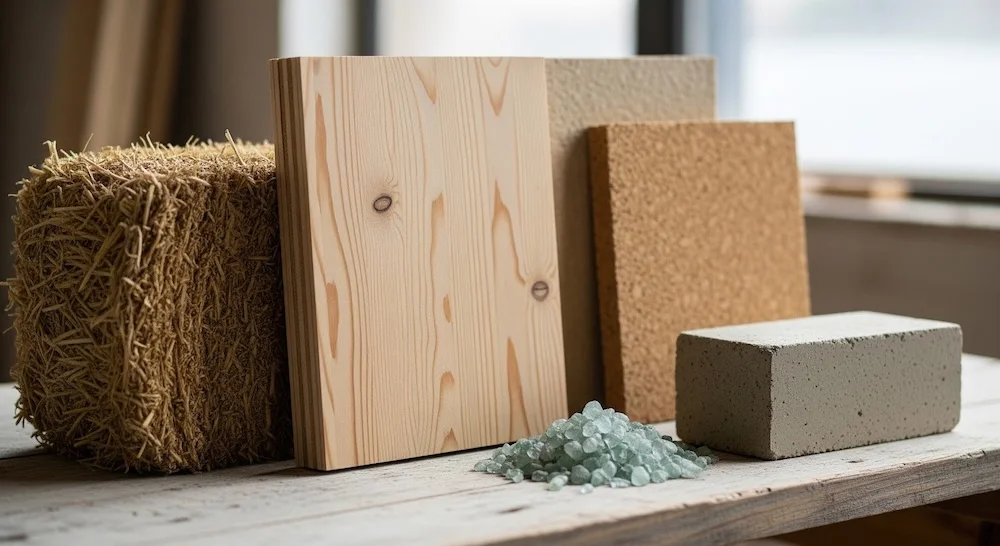
As the demand for sustainable materials in home and commercial spaces grows, clay plaster eco friendly uses are gaining attention among interior designers and homeowners. This natural wall finish, made from earth, sand, and natural fibers, offers a healthy alternative to conventional paints and plasters. Its unique properties make it a top choice for those seeking to create interiors that are both beautiful and environmentally responsible.
Clay-based finishes have been used for centuries in various cultures, but recent innovations have made them more accessible and versatile for modern projects. Whether you are renovating a single room or planning a full-scale sustainable build, understanding the advantages and applications of clay plaster can help you make informed, eco-conscious decisions.
For those interested in exploring more sustainable construction options, consider learning about green wall construction systems that bring nature directly into your living or working environment. These systems, along with clay-based finishes, contribute to healthier, more energy-efficient spaces.
Why Choose Clay Plaster for Sustainable Interiors?
One of the main reasons designers and builders are turning to clay plaster is its minimal environmental impact. Unlike synthetic paints and cement-based plasters, clay is abundant, non-toxic, and requires low energy to produce. Its natural composition means it does not emit harmful volatile organic compounds (VOCs), making it ideal for improving indoor air quality.
- Non-toxic and Allergen-Free: Clay finishes do not contain harmful chemicals, making them suitable for people with allergies or sensitivities.
- Biodegradable: At the end of its life cycle, clay plaster can be returned to the earth without causing pollution.
- Thermal Regulation: Clay’s thermal mass helps stabilize indoor temperatures, reducing the need for artificial heating and cooling.
- Moisture Management: It naturally absorbs and releases moisture, preventing mold growth and maintaining comfortable humidity levels.
These qualities make clay-based wall finishes a strong contender for anyone prioritizing sustainability and wellness in their interior design projects.
Applications of Clay Plaster in Modern Design
There are numerous eco friendly uses for clay plaster that go beyond traditional wall coatings. Its versatility allows it to be incorporated into a wide range of design styles, from rustic to contemporary. Here are some of the most popular applications:
- Accent Walls: Create textured, visually striking feature walls that add depth and character to living rooms, bedrooms, or offices.
- Ceiling Finishes: Use clay plaster on ceilings for a seamless, cohesive look that enhances acoustics and air quality.
- Fireplace Surrounds: Its heat-resistant properties make it suitable for use around fireplaces and stoves.
- Bathrooms and Kitchens: When properly sealed, clay plaster can be used in moisture-prone areas, offering a natural alternative to tiles or synthetic paints.
- Restoration Projects: Clay is ideal for restoring historic buildings, as it matches traditional materials and allows walls to breathe.
Designers are also experimenting with pigments and natural aggregates to create custom colors and finishes, expanding the creative possibilities for this sustainable material.
Comparing Clay Plaster to Other Sustainable Wall Materials
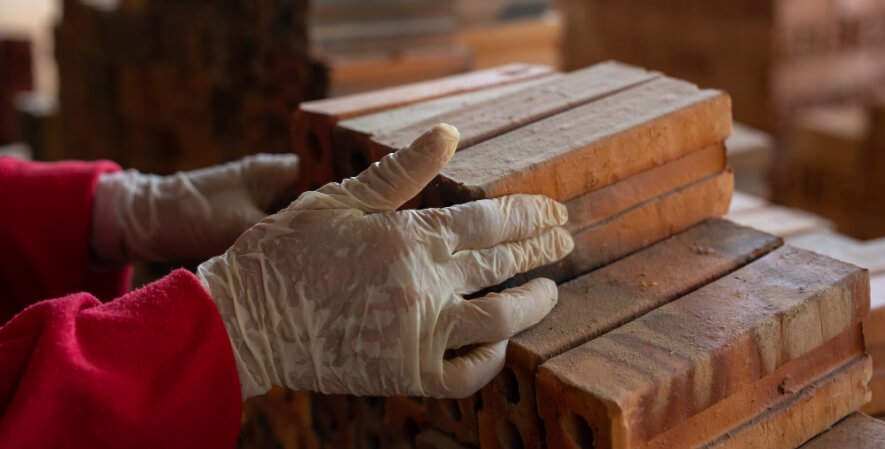
When evaluating clay plaster eco friendly uses, it’s helpful to compare it with other popular green wall solutions. Materials like lime plaster, hempcrete, and compressed earth blocks each offer their own advantages. For example, compressed earth blocks construction provides structural benefits and high thermal mass, while lime plasters are known for their antimicrobial properties.
Clay stands out for its ease of application, reparability, and the ability to regulate indoor humidity. It is also less energy-intensive to produce than cement-based products. However, it may not be suitable for all climates or high-traffic areas unless properly sealed and maintained.
For a comprehensive overview of green building materials, you can explore resources like this guide to sustainable building materials, which highlights the environmental benefits and practical considerations of various options.
Integrating Clay Plaster with Other Eco-Friendly Solutions
To maximize the environmental benefits of your project, consider combining clay plaster with other sustainable materials and systems. For instance, using eco friendly wall materials in conjunction with clay finishes can further reduce your carbon footprint and enhance indoor comfort.
Some practical ways to integrate clay-based finishes include:
- Pairing with natural insulation like sheep’s wool or cellulose for improved energy efficiency.
- Using reclaimed wood or bamboo flooring to complement the earthy aesthetics of clay walls.
- Incorporating passive solar design principles to take advantage of clay’s thermal mass.
- Installing green wall systems to introduce living plants and further purify indoor air.
These strategies not only improve sustainability but also create interiors that feel warm, inviting, and healthy.
Maintenance and Longevity of Clay-Based Wall Finishes
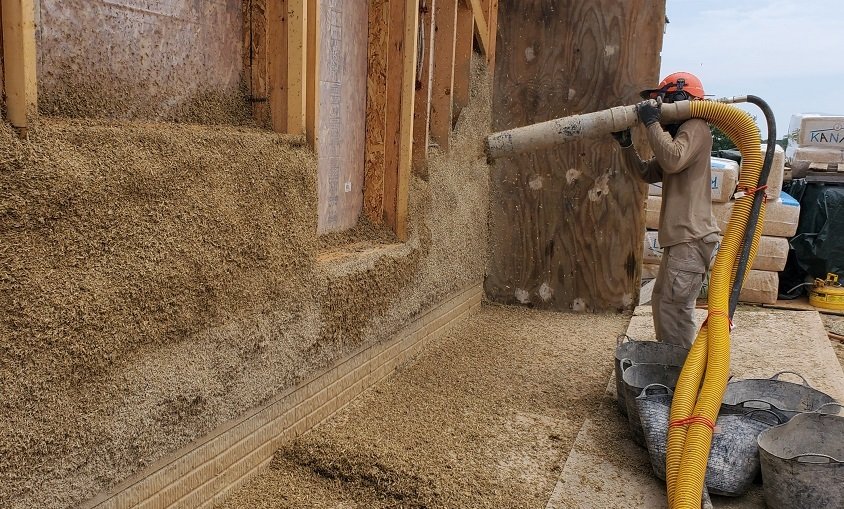
One of the appealing aspects of clay plaster eco friendly uses is the material’s durability and ease of repair. Unlike synthetic paints, which may peel or crack over time, clay finishes can be easily patched or refreshed without the need for harsh chemicals. Regular dusting and occasional damp wiping are usually sufficient to keep clay walls looking their best.
For high-traffic areas or spaces exposed to moisture, applying a natural sealant such as linseed oil or beeswax can enhance water resistance and prolong the life of the finish. It’s also possible to reapply a thin layer of clay plaster as needed, making it a low-maintenance solution for long-term sustainability.
Frequently Asked Questions
Is clay plaster suitable for all types of buildings?
Clay-based finishes are versatile and can be used in both new builds and renovations. They are especially well-suited for residential homes, offices, and historic restorations. However, in areas with extremely high humidity or heavy water exposure, additional sealing or alternative materials may be necessary.
How does clay plaster impact indoor air quality?
Because it is free from VOCs and synthetic additives, clay plaster helps maintain healthier indoor air. Its ability to absorb and release moisture also reduces the risk of mold and mildew, contributing to a more comfortable living environment.
Can clay plaster be combined with other sustainable building techniques?
Absolutely. Many designers pair clay finishes with materials like bamboo flooring, hempcrete insulation, or interlocking bricks advantages to create holistic, eco-friendly interiors. These combinations enhance both the environmental performance and the aesthetic appeal of a space.
Conclusion
Incorporating clay plaster eco friendly uses into your interior design projects is a practical step toward healthier, more sustainable living. Its natural composition, low environmental impact, and versatile applications make it a valuable addition to any green building strategy. By combining clay finishes with other eco-conscious materials and systems, you can create spaces that are not only beautiful but also contribute to the well-being of occupants and the planet.