Building a sustainable home is no longer just a trend—it’s a necessity for those seeking energy efficiency, healthier indoor environments, and a reduced environmental footprint. Choosing eco friendly wall materials is a crucial step in achieving a high-performance home that aligns with modern green building standards. These materials not only help conserve resources but also contribute to better insulation, improved air quality, and long-term durability.
From natural fibers to recycled components, the options for environmentally conscious wall construction have expanded significantly. Homeowners, architects, and builders now have access to innovative solutions that balance performance, aesthetics, and sustainability. This guide explores the leading choices, their benefits, and practical considerations for integrating them into your next project.
For those interested in exploring specific types of green wall solutions, our resource on eco friendly bricks types provides a detailed look at innovative options for sustainable construction.
Understanding the Benefits of Sustainable Wall Materials
Adopting eco friendly wall materials offers a range of advantages that go beyond environmental stewardship. These materials are designed to minimize resource extraction, reduce waste, and lower embodied energy. The result is a home that is not only environmentally responsible but also more comfortable and cost-effective to maintain.
- Energy Efficiency: Many green wall products provide superior insulation, helping to stabilize indoor temperatures and reduce heating and cooling costs.
- Improved Indoor Air Quality: Natural and low-emission materials limit the release of volatile organic compounds (VOCs), supporting healthier living spaces.
- Durability and Longevity: Sustainable options are often engineered for strength and resistance to moisture, pests, and decay.
- Reduced Carbon Footprint: By incorporating recycled or rapidly renewable resources, these materials help lower the overall environmental impact of construction.
Popular Types of Eco-Conscious Wall Materials
There is a growing selection of wall products that prioritize sustainability without sacrificing performance. Here are some of the most widely used and effective choices:
Bamboo Panels and Boards
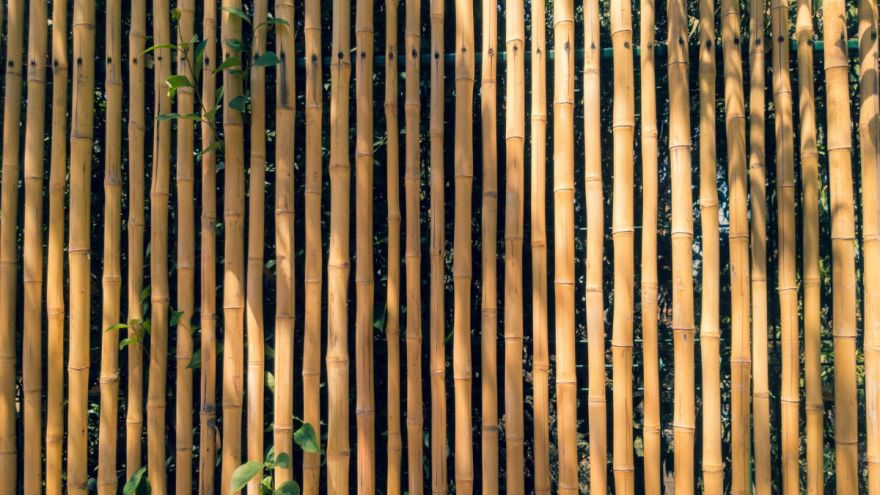
Bamboo is a rapidly renewable resource known for its strength and versatility. It can be used for wall panels, cladding, and even structural elements. Bamboo products are lightweight, easy to install, and naturally resistant to pests and moisture. For those interested in sustainable flooring as well, consider exploring options to buy bamboo flooring.
Recycled Content Drywall and Plaster
Manufacturers now offer drywall and plaster products that incorporate recycled paper, gypsum, or other post-consumer materials. These products perform comparably to traditional versions but with a lower environmental impact. Some brands also use natural binders and additives to further reduce emissions and improve air quality.
Natural Fiber Insulation
Insulation made from sheep’s wool, hemp, or cotton offers excellent thermal and acoustic properties. These materials are biodegradable, renewable, and often produced with minimal chemical processing. They can be used within wall cavities to enhance comfort and energy efficiency.
Straw Bale Construction
Straw bales provide thick, highly insulating walls that are both affordable and sustainable. When properly sealed, straw bale walls are durable and resistant to fire and pests. This technique is particularly popular in regions with access to agricultural byproducts.
Autoclaved Aerated Concrete (AAC) Blocks
AAC blocks are lightweight, precast building materials made from natural raw materials like sand, lime, and cement. They offer excellent insulation, fire resistance, and a lower carbon footprint compared to traditional concrete blocks.
Reclaimed and Salvaged Materials
Using reclaimed wood, brick, or stone for wall construction gives new life to materials that would otherwise end up in landfills. This approach not only conserves resources but also adds unique character and history to a home. For more on using stone in sustainable building, see our article on natural stone construction uses.
Choosing the Right Green Wall Solution for Your Home
When selecting sustainable wall products, consider the following factors to ensure the best fit for your project:
- Climate and Location: Some materials perform better in certain climates. For example, straw bale and rammed earth are ideal for dry regions, while bamboo and fiber insulation work well in humid environments.
- Budget: While some eco-friendly options may have a higher upfront cost, they often provide long-term savings through improved efficiency and durability.
- Availability: Source materials locally when possible to reduce transportation emissions and support regional economies.
- Building Codes: Check local regulations to ensure your chosen materials are permitted and meet safety standards.
Integrating Eco Materials with Other Sustainable Elements
Walls are just one part of a holistic green home. Pairing sustainable wall construction with other eco-conscious choices—such as recycled tile flooring options or linoleum flooring eco friendly—can further reduce your home’s environmental impact. Additionally, consider using low-VOC paints and natural finishes to complete your healthy, efficient living space.

Certifications and Standards for Green Building
To ensure your wall materials meet recognized sustainability benchmarks, look for certifications such as:
- Forest Stewardship Council (FSC): For responsibly sourced wood products.
- Cradle to Cradle Certified: Indicates products designed for a circular economy.
- GREENGUARD: Certifies low chemical emissions for healthier interiors.
- LEED Credits: Many eco wall materials contribute points toward LEED certification for green buildings.
For a deeper dive into the science and innovation behind sustainable construction, explore this comprehensive overview of eco-friendly building materials from industry experts.
Maintenance and Performance Considerations
While green wall products are designed for longevity, proper installation and routine maintenance are essential. Ensure that moisture barriers, flashing, and ventilation are correctly implemented to prevent mold and deterioration. Periodic inspections can help identify any issues early, preserving the integrity and efficiency of your walls for years to come.
Some materials, such as natural plasters or untreated wood, may require occasional resealing or refinishing to maintain their protective qualities. Always follow manufacturer recommendations for care and cleaning to maximize the lifespan of your investment.
Frequently Asked Questions
What are the most cost-effective eco wall materials?
Options like recycled drywall, cellulose insulation, and straw bale construction tend to offer strong performance at a reasonable price. Costs can vary by region and availability, but these materials often provide long-term savings through improved energy efficiency.
Can sustainable wall materials be used in renovations?
Yes, many green wall solutions are suitable for retrofitting existing homes. Products like natural fiber insulation, bamboo panels, and recycled-content drywall can be integrated with minimal disruption, enhancing both sustainability and comfort.
How do I ensure my wall materials are truly eco-friendly?
Look for third-party certifications such as FSC, Cradle to Cradle, or GREENGUARD to verify environmental claims. Sourcing locally and choosing products with recycled or rapidly renewable content also helps reduce your overall impact.
Are there sustainable options for exterior walls?
Absolutely. Materials like AAC blocks, reclaimed brick, and bamboo cladding are excellent for exterior applications, offering durability and weather resistance along with environmental benefits.
Conclusion
Integrating eco friendly wall materials into your home design is a practical way to support sustainability, improve comfort, and enhance property value. By carefully selecting and maintaining these products, you can create a living space that is both high-performing and environmentally responsible. For more insights on sustainable construction practices, explore our resources on sustainable brick manufacturing and related green building topics.