As the construction industry faces increasing pressure to reduce its environmental impact, the use of low impact construction materials has become a priority for architects, builders, and homeowners alike. These materials are designed to minimize greenhouse gas emissions, reduce resource consumption, and support healthier indoor and outdoor environments. By choosing sustainable building options, you can help lower your project’s carbon footprint while also creating durable, efficient, and attractive spaces.
This article explores a range of eco-friendly building materials, their benefits, and how they contribute to more responsible construction practices. Whether you’re planning a new build, a renovation, or simply want to make greener choices, understanding these options is key to a more sustainable future.
For those interested in natural wall finishes, you might also consider clay plaster eco friendly uses for interior design projects, which offer both aesthetic and environmental benefits.
Why Choose Sustainable Building Materials?
The construction sector is responsible for a significant share of global carbon emissions, largely due to the extraction, manufacturing, and transportation of traditional materials like concrete and steel. Opting for low impact construction materials helps to:
- Lower embodied energy and carbon emissions
- Reduce waste and pollution during production and installation
- Promote healthier indoor air quality
- Support renewable resource cycles and local economies
By prioritizing these materials, builders and homeowners can make a measurable difference in the environmental footprint of their projects.
Popular Low Carbon Building Alternatives
There is a growing range of innovative and traditional materials that offer reduced ecological impact. Below are some of the most widely adopted options in sustainable construction:
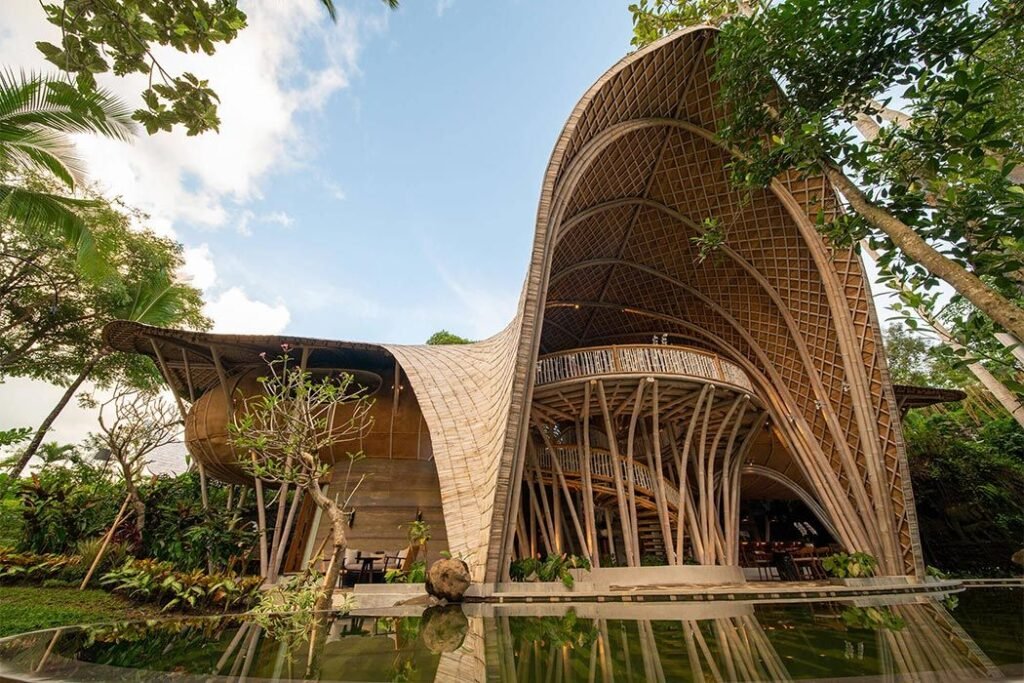
Bamboo: Fast-Growing and Renewable
Bamboo is a highly renewable resource that matures in just a few years, making it a popular choice for flooring, structural elements, and decorative finishes. Its rapid growth and ability to sequester carbon make it one of the most eco-friendly construction materials available. Bamboo products are strong, lightweight, and often less energy-intensive to process compared to hardwoods.
Hempcrete: Natural Insulation and Thermal Mass
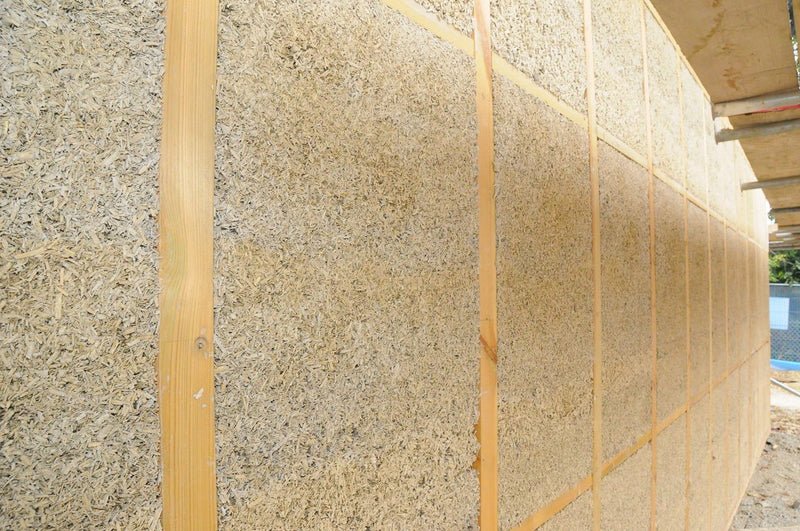
Hempcrete is a bio-composite material made from the woody core of the hemp plant mixed with a lime-based binder. It provides excellent insulation, is lightweight, and offers natural resistance to mold and pests. Hempcrete walls are breathable, helping to regulate humidity and improve indoor air quality. Its production emits far less CO2 than traditional concrete, and hemp cultivation itself absorbs carbon from the atmosphere.
Recycled and Upcycled Materials
Using recycled steel, reclaimed wood, and repurposed brick helps divert waste from landfills and reduces the demand for virgin resources. These materials often require less energy to process and transport, further lowering the environmental cost of construction. Recycled content can be found in insulation, wall panels, flooring, and even roofing products.
Earth-Based Building Blocks
Materials like compressed earth blocks and rammed earth walls use locally sourced soil and minimal additives, resulting in structures with high thermal mass and very low embodied energy. These techniques have been used for centuries and are now being modernized for contemporary sustainable design. For more on this topic, see compressed earth blocks construction for high-performance natural walls.
Benefits of Using Low Impact Construction Materials
Choosing environmentally conscious building supplies offers a range of advantages beyond just reducing carbon emissions:
- Energy Efficiency: Many green materials provide superior insulation, lowering heating and cooling costs.
- Healthier Living Spaces: Natural and non-toxic products help reduce indoor air pollution and support occupant well-being.
- Durability: Materials like bamboo and recycled steel are known for their strength and longevity.
- Resource Conservation: Renewable and recycled options help preserve finite resources for future generations.
These benefits make sustainable materials an attractive choice for both residential and commercial projects.
How to Select the Right Green Building Products
When evaluating materials for your next project, consider the following factors to ensure you’re making the most sustainable choice:
- Source and Renewability: Is the material rapidly renewable or recycled?
- Manufacturing Impact: How much energy and water are used in production?
- Transportation Distance: Can you source it locally to reduce emissions?
- Performance: Does it meet your durability, insulation, and safety needs?
- End-of-Life: Can the material be recycled, composted, or safely disposed of?
For a deeper dive into sustainable product options, check out this comprehensive guide to sustainable building materials.
Innovative Solutions and Trends
The market for low impact construction materials continues to evolve, with new products and technologies emerging regularly. Some notable trends include:
- Bio-based insulation made from sheep’s wool, cellulose, or recycled denim
- Structural insulated panels (SIPs) that improve energy efficiency and reduce waste
- Green concrete alternatives using fly ash or slag to replace traditional cement
- Modular and prefabricated components that minimize onsite waste and speed up construction
These innovations are making it easier than ever to build with a smaller environmental footprint.
Integrating Eco-Friendly Materials Into Your Project
Successfully incorporating sustainable products into your build requires early planning and collaboration with architects, engineers, and suppliers. Here are a few practical steps:
- Discuss sustainability goals with your design and construction team from the outset
- Research local suppliers of green materials to minimize transportation emissions
- Consider hybrid approaches, such as combining bamboo flooring with recycled insulation
- Stay informed about new products and certifications that verify environmental claims
For wall assemblies, you may also want to explore eco friendly wall materials that balance performance and sustainability.
FAQ
What are the main advantages of using low impact construction materials?
These materials help reduce carbon emissions, improve energy efficiency, and create healthier indoor environments. They often use renewable or recycled resources and can lower long-term operating costs.
Are sustainable building materials more expensive?
While some eco-friendly options may have a higher upfront cost, they often save money over time through reduced energy bills and maintenance. Increased demand and innovation are also making many green products more affordable.
How can I verify if a material is truly sustainable?
Look for third-party certifications such as FSC for wood, Cradle to Cradle, or GreenGuard. Research the manufacturer’s environmental policies and check for transparency about sourcing and production methods.
Can I use these materials in renovations as well as new builds?
Absolutely. Many low carbon materials are suitable for retrofitting existing structures, including insulation upgrades, flooring replacements, and wall finishes.
Where can I learn more about specific sustainable building techniques?
For more information on innovative approaches, see resources like interlocking bricks advantages for faster, sustainable building, or explore the benefits of fly ash bricks benefits for strong and environmentally friendly masonry.