The construction industry is undergoing a transformation as it searches for innovative, sustainable solutions to reduce its environmental impact. Among the most promising developments is the use of recycled plastic building materials. By repurposing plastic waste into durable construction components, builders and architects are tackling two major challenges at once: reducing landfill waste and lowering the carbon footprint of new structures.
This guide explores how plastic waste is being transformed into practical, eco-friendly materials for homes and commercial buildings. We’ll look at the benefits, challenges, and real-world applications, as well as how these materials compare to other sustainable options. If you’re interested in learning more about other green construction methods, you might also want to read about carbon neutral building materials and their role in reaching net zero goals.

How Plastic Waste Becomes Building Materials
Every year, millions of tons of plastic end up in landfills and oceans. By converting this waste into recycled plastic building materials, manufacturers are creating a valuable resource from what would otherwise be an environmental hazard. The process typically involves collecting post-consumer or post-industrial plastics, cleaning and shredding them, and then melting or compressing the material into new forms such as planks, bricks, tiles, or insulation panels.
Some companies blend recycled plastics with other materials—like wood fibers or minerals—to enhance strength and durability. The resulting products can be used for a wide range of applications, from decking and fencing to structural panels and roofing tiles.
Types of Recycled Plastic Construction Products
The versatility of plastics allows for a broad spectrum of building components. Here are some of the most common types:
- Plastic Lumber: Used for decking, fencing, benches, and landscaping, it offers resistance to rot, insects, and moisture.
- Roofing Tiles: Lightweight and weather-resistant, these tiles often mimic traditional clay or slate but are made from recycled polymers.
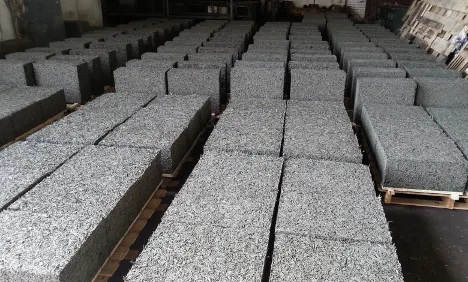
- Wall Panels and Bricks: Some innovative systems use compressed plastic waste to form interlocking bricks or modular wall panels, suitable for rapid construction.
- Insulation: Certain insulation boards incorporate recycled plastics, providing thermal efficiency and moisture resistance.
- Flooring and Pavers: Durable and easy to maintain, recycled plastic pavers and tiles are increasingly used in both indoor and outdoor settings.
Benefits of Using Recycled Plastics in Construction
Adopting recycled plastic building materials offers several significant advantages for both the environment and the construction industry:
- Waste Reduction: Diverts plastic from landfills and oceans, helping to address the global plastic pollution crisis.
- Lower Carbon Footprint: Manufacturing recycled plastic components typically uses less energy than producing new plastic or traditional materials like concrete and steel.
- Durability: Plastic-based products are resistant to rot, corrosion, and pests, often lasting longer than wood or metal alternatives.
- Low Maintenance: These materials require little upkeep, reducing long-term costs and resource use.
- Lightweight: Easier to transport and handle, which can lower construction costs and speed up installation.
For builders seeking to minimize their project’s environmental impact, combining recycled plastics with low impact construction materials can further enhance sustainability.
Challenges and Considerations
While the advantages are clear, there are also some challenges to consider:
- Structural Limitations: Not all recycled plastic products are suitable for load-bearing applications. Careful engineering is required for structural uses.
- Fire Resistance: Plastics can be more flammable than traditional materials, though additives and treatments can improve fire performance.
- UV Degradation: Prolonged exposure to sunlight may cause some plastics to degrade over time, although UV stabilizers can mitigate this issue.
- End-of-Life Recycling: While these materials are made from recycled content, not all are easily recyclable again at the end of their lifespan.
Builders and designers should assess the specific requirements of their projects and consult with manufacturers to ensure the chosen materials meet safety and performance standards.
Comparing Recycled Plastics to Other Eco-Friendly Materials
Choosing the right sustainable material depends on the specific needs of each project. While recycled plastic building materials offer unique benefits, other options like bamboo, cork, and natural plasters also play important roles in green construction.
For example, bamboo is rapidly renewable and strong, making it ideal for flooring and structural elements. Natural plasters, such as those discussed in our articles on natural plaster materials and lime plaster benefits in construction, provide breathable, healthy wall finishes. Each material has its own environmental profile, cost, and performance characteristics.
To make informed choices, consider factors like local availability, embodied energy, durability, and end-of-life recyclability. For a broader look at sustainable options, see this overview of eco-friendly materials in sustainable construction.
Real-World Examples and Innovations
Across the globe, architects and engineers are embracing recycled plastics in creative ways. In some regions, entire homes and schools have been constructed using interlocking plastic bricks made from waste. These structures are not only quick to assemble but also provide insulation and weather resistance.
In urban environments, recycled plastic lumber is replacing traditional wood for outdoor benches, playgrounds, and boardwalks. Roofing tiles made from plastic waste are gaining popularity in areas prone to heavy rain, thanks to their water resistance and long lifespan.
As technology advances, expect to see even more innovative uses for recycled plastics, from modular housing systems to 3D-printed building components.
Best Practices for Using Recycled Plastic Materials
To maximize the benefits of recycled plastics in construction, consider these best practices:
- Source materials from reputable suppliers who provide documentation on recycled content and performance standards.
- Combine recycled plastics with other sustainable materials for optimal results—such as pairing plastic lumber with bamboo flooring or natural plasters.
- Design for disassembly, making it easier to recycle or repurpose materials at the end of a building’s life.
- Stay informed about local building codes and certifications related to recycled content and fire safety.
For interior design projects, integrating clay plaster eco friendly uses alongside recycled plastics can create healthy, beautiful spaces with a minimal environmental footprint.
Frequently Asked Questions
Are recycled plastic building materials safe for residential use?
Yes, when manufactured and installed according to industry standards, these materials are safe for homes. Many products undergo rigorous testing for structural integrity, fire resistance, and indoor air quality.
How do recycled plastic products compare in cost to traditional materials?
Initial costs can be similar or slightly higher than conventional options, but the long-term savings from reduced maintenance and longer lifespan often offset the upfront investment.
Can recycled plastic components be recycled again after use?
Some products can be recycled at the end of their life, but this depends on the specific type of plastic and local recycling facilities. Designing for disassembly can improve recyclability.
What are the main environmental benefits of using recycled plastics in construction?
The primary advantages include diverting waste from landfills, reducing demand for virgin materials, and lowering the overall carbon footprint of building projects.
As the construction industry continues to evolve, recycled plastic building materials are proving to be a practical and effective way to turn waste into valuable resources for sustainable homes and infrastructure. By making informed choices and combining these materials with other eco-friendly options, builders and homeowners can contribute to a healthier planet—one project at a time.