The construction industry is undergoing a significant transformation as it seeks to address environmental challenges and resource scarcity. One of the most promising approaches is the adoption of circular economy construction materials, which focus on minimizing waste, maximizing resource efficiency, and creating buildings that are both sustainable and resilient. Instead of following the traditional linear model of “take, make, dispose,” the circular approach emphasizes reuse, recycling, and regeneration of materials throughout a building’s lifecycle.
As more architects, builders, and homeowners look for ways to reduce their environmental impact, the shift toward circularity is gaining momentum. This guide explores the principles behind this innovative approach, highlights key material types, and provides practical insights for anyone interested in building with a lower carbon footprint. For those interested in related innovations, exploring eco friendly composite materials can offer additional perspectives on sustainable design solutions.
Understanding the Circular Economy in Construction
The circular economy in the building sector is about designing out waste and pollution, keeping products and materials in use, and regenerating natural systems. Unlike conventional methods that often result in significant landfill contributions, circular practices aim to keep resources circulating within the economy for as long as possible. This is achieved by:
- Prioritizing renewable, recycled, or rapidly regenerating materials
- Designing buildings for adaptability, disassembly, and reuse
- Implementing efficient construction techniques that minimize offcuts and waste
- Encouraging the refurbishment and repurposing of existing structures
By integrating these principles, the industry can reduce its environmental footprint and create more resilient, future-proof buildings.
Key Types of Circular Building Materials
There is a growing range of materials that align with circular economy principles. Here are some of the most notable examples:
Bamboo and Other Rapidly Renewable Resources
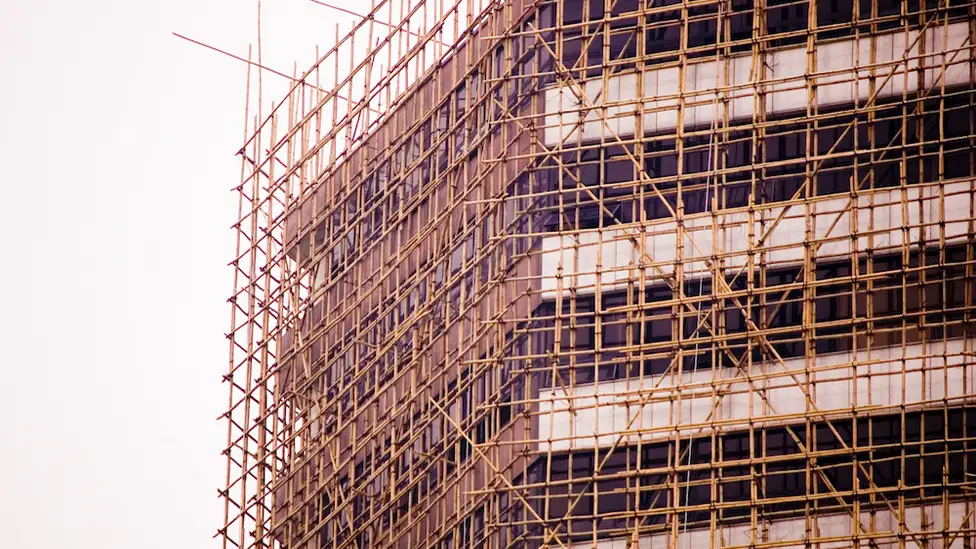
Bamboo stands out as a fast-growing, strong, and versatile material. It can be harvested in just a few years and regrows quickly, making it ideal for sustainable construction. Its use in flooring, paneling, and structural elements is expanding globally.
Recycled and Upcycled Materials
Using recycled content is a core aspect of circular construction. Examples include:
- Recycled steel and aluminum: These metals can be reused multiple times without losing quality.
- Reclaimed wood: Salvaged from old buildings, it offers unique character and reduces demand for new timber.
- Recycled glass and plastics: Used in tiles, insulation, and even structural components.
Upcycling takes this a step further by transforming waste products into higher-value materials, such as turning discarded concrete into aggregate for new mixes.
Bio-Based and Low-Impact Alternatives
Bio-based materials are derived from renewable biological resources. Examples include:
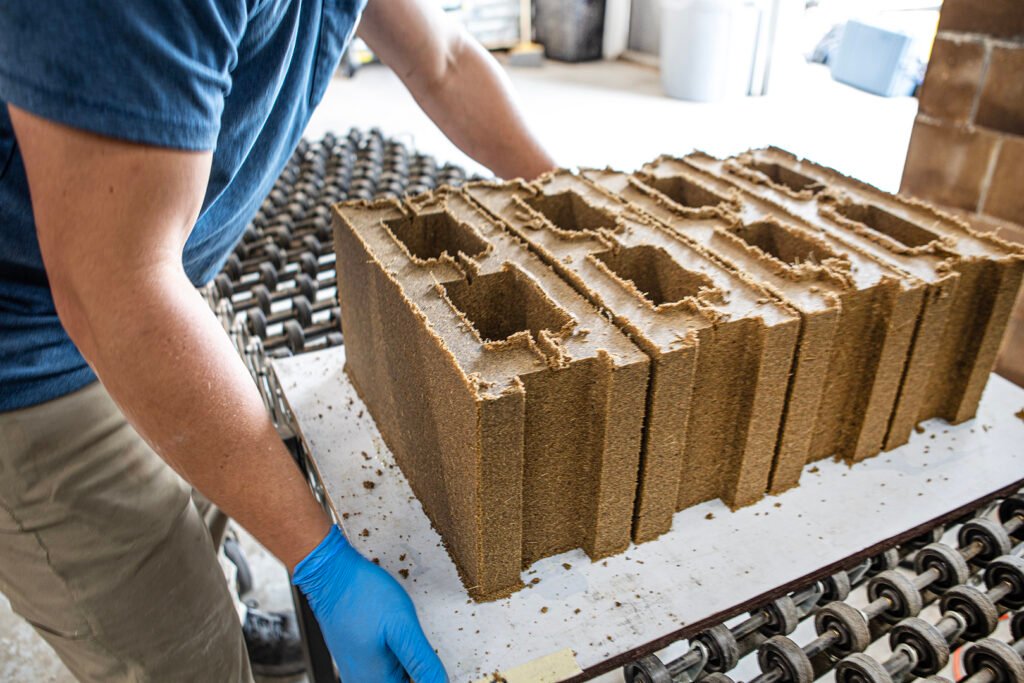
- Hempcrete: Made from hemp fibers and lime, it offers excellent insulation and carbon sequestration properties.
- Cork: Harvested from the bark of cork oak trees, it is renewable, lightweight, and naturally antimicrobial.
- Mycelium composites: Created from fungal networks, these materials are biodegradable and can be molded into various shapes.
For more on minimizing environmental impact, see the guide on low impact construction materials.
Innovative Materials Driving Circularity
Innovation is at the heart of the move toward a more circular construction sector. Several new materials are redefining what is possible:
Ferrock and Other Carbon-Negative Solutions
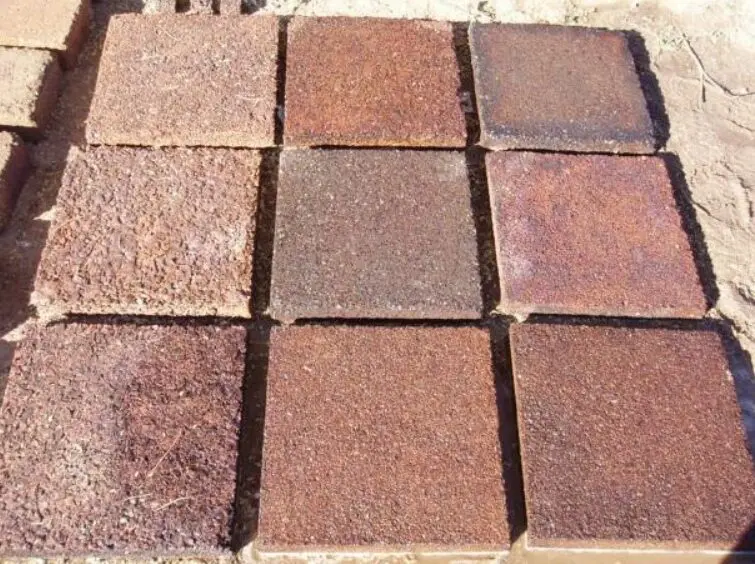
Ferrock is an emerging material made from recycled steel dust and other industrial byproducts. It absorbs carbon dioxide during curing, making it a carbon-negative alternative to traditional concrete. Its strength and durability make it suitable for a range of structural applications.
Insulation from Recycled and Renewable Sources
Insulation is a critical component for energy efficiency. Circular options include:
- Cellulose insulation: Produced from recycled paper, it is treated for fire resistance and offers excellent thermal performance.
- Fiberglass insulation: Increasingly made with recycled glass content, reducing the need for virgin materials.
- Sheep’s wool and cotton batts: Renewable, biodegradable, and effective for regulating indoor temperatures.
These alternatives help reduce waste and support healthier indoor environments.
Design Strategies for Circular Construction
Material selection is just one part of the equation. To fully embrace circularity, design and construction practices must also evolve. Key strategies include:
- Design for disassembly: Creating buildings that can be easily taken apart, allowing materials to be reused or recycled at end of life.
- Modular construction: Prefabricated modules can be reconfigured, relocated, or upgraded, extending a building’s useful life.
- Adaptive reuse: Repurposing existing structures instead of demolishing them, which preserves embodied energy and reduces waste.
Integrating these strategies from the outset can dramatically improve a project’s sustainability profile.
Benefits of Embracing Circular Economy Materials
Adopting a circular approach in construction offers a range of advantages:
- Reduced environmental impact: Less waste sent to landfill and lower demand for virgin resources.
- Lower carbon emissions: Many circular materials sequester carbon or require less energy to produce.
- Cost savings: Reusing materials and designing for longevity can lower lifecycle costs.
- Healthier buildings: Many bio-based and recycled materials contribute to better indoor air quality.
- Regulatory compliance: Increasingly, building codes and certifications reward circular practices.
For a comprehensive overview of sustainable options, see this list of eco-friendly building materials that align with circular principles.
Challenges and Considerations
While the benefits are clear, there are still hurdles to widespread adoption:
- Availability and supply chains: Not all circular materials are widely available in every region.
- Cost and market acceptance: Some innovative products may have higher upfront costs or face skepticism from traditional builders.
- Technical standards: Ensuring new materials meet safety and performance requirements is essential.
- Education and awareness: Designers, contractors, and clients need access to reliable information and training.
Overcoming these challenges will require collaboration across the industry, as well as supportive policies and incentives.
Practical Steps for Getting Started
If you are considering integrating circular economy principles into your next project, here are some actionable steps:
- Research and specify materials with recycled, renewable, or low-impact content.
- Work with suppliers who can provide transparency about sourcing and end-of-life options.
- Design for adaptability, so that spaces can be reconfigured or upgraded over time.
- Plan for disassembly and recycling at the end of the building’s life.
- Engage with local reuse networks and salvage yards to source reclaimed materials.
For interior projects, consider exploring clay plaster eco friendly uses or natural plaster materials to further enhance sustainability and indoor air quality.
Frequently Asked Questions
- What are the main principles of circular economy construction?
- The core principles include designing out waste, keeping materials in use for as long as possible, and regenerating natural systems. This involves using recycled, renewable, or rapidly regenerating materials, designing for disassembly, and prioritizing reuse and recycling at every stage of a building’s life.
- Are circular economy materials more expensive than traditional options?
- Some circular materials may have higher upfront costs, especially if they are new to the market or require specialized sourcing. However, they often deliver long-term savings through durability, lower maintenance, and reduced waste disposal costs.
- How can I find suppliers of circular construction materials?
- Start by researching local and regional suppliers who specialize in recycled, reclaimed, or bio-based products. Many manufacturers now provide environmental product declarations and information on the circularity of their materials. Networking with green building organizations can also help identify reputable sources.
As the construction industry continues to evolve, embracing circular economy construction materials will play a vital role in building a more sustainable, resilient, and resource-efficient future. By making informed choices and adopting innovative practices, everyone in the building process can contribute to a healthier planet.