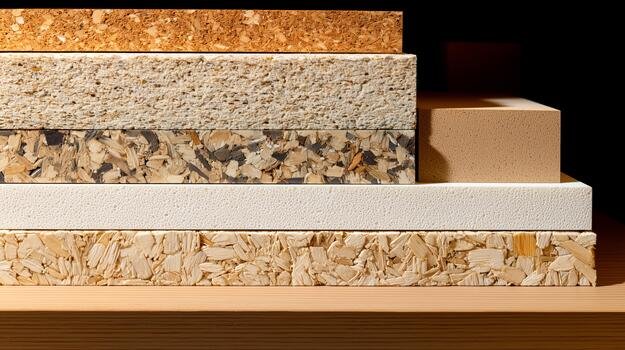
Hemp fiber construction uses are gaining attention as the building industry seeks more sustainable, eco-friendly materials. Sourced from the stalks of the hemp plant, these natural fibers offer impressive strength, durability, and environmental benefits. As the world moves toward greener construction practices, hemp-based products are emerging as a practical alternative to traditional materials like concrete, fiberglass, and synthetic insulation.
From insulation panels to structural composites, hemp fibers are being integrated into modern architecture and renovation projects. Their low environmental impact, renewability, and versatility make them a compelling choice for builders and homeowners alike. This article explores the many ways hemp fibers are used in construction, their advantages, and how they compare to other plant-based and bio-based materials.
For those interested in exploring other innovative plant-derived solutions, you may also want to learn about plant based building materials that are shaping the future of sustainable construction.
Understanding Hemp Fiber and Its Unique Qualities
Hemp is one of the oldest cultivated crops, valued for its strong, fibrous stalks. When processed, these stalks yield long, robust fibers that are both lightweight and highly resilient. Unlike wood or mineral-based materials, hemp fibers are naturally resistant to mold, pests, and rot, making them ideal for a range of building applications.
Key characteristics of hemp fiber include:
- High tensile strength – comparable to some synthetic fibers
- Low density, resulting in lightweight panels and insulation
- Excellent moisture regulation and breathability
- Rapid renewability – hemp grows quickly with minimal inputs
- Low embodied energy compared to conventional materials
These properties allow hemp fibers to be used in both structural and non-structural components, contributing to energy efficiency and indoor air quality.
Major Applications of Hemp Fiber in Modern Construction
The use of hemp fibers in building projects has expanded rapidly in recent years. Here are some of the most common and promising applications:
Hempcrete: A Lightweight, Insulating Biocomposite
One of the most well-known hemp fiber construction uses is in the creation of hempcrete. This material is made by mixing chopped hemp hurds (the woody core) with a lime-based binder and water. The result is a lightweight, insulating block or panel that can be used for walls, floors, and roofs.
Hempcrete is not a direct replacement for load-bearing concrete, but it excels as an insulating infill material. Its benefits include:
- High thermal insulation, reducing heating and cooling needs
- Excellent vapor permeability, preventing mold and dampness
- Carbon sequestration – hemp absorbs CO2 during growth, and the lime binder continues to absorb CO2 over time
- Non-toxic and fully recyclable at end of life
Natural Insulation Panels and Batts
Hemp fibers are processed into mats, batts, or rigid panels that serve as thermal and acoustic insulation. These products are often used in walls, ceilings, and floors, providing a sustainable alternative to fiberglass or mineral wool. Hemp insulation is known for its:
- High R-value per inch
- Ability to regulate humidity, reducing condensation risks
- Safe handling – no skin irritation or respiratory hazards
- Biodegradability and compostability
For comparison, some homeowners still opt for traditional options such as fiberglass insulation rolls, but hemp-based insulation offers a renewable and healthier alternative.

Composite Boards and Structural Panels
Engineered boards made from hemp fibers can replace plywood, MDF, and OSB in many applications. These panels are formed by pressing hemp fibers with natural or synthetic binders, resulting in products that are strong, lightweight, and resistant to warping. They are suitable for:
- Wall sheathing and subflooring
- Furniture and cabinetry
- Decorative wall panels
Hemp boards are often compared to other innovative materials, such as bio based construction materials, which also focus on reducing the environmental impact of building products.
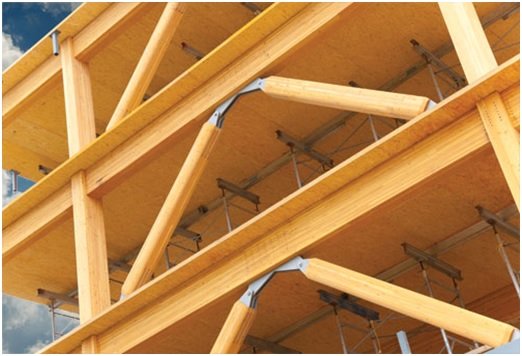
Other Innovative Uses for Hemp in Construction
Beyond insulation and panels, hemp fibers are being explored for:
- Reinforcing concrete and plaster for added flexural strength
- Acoustic panels that reduce noise transmission
- Eco-friendly roofing felts and underlayments
- Textiles for wall coverings and window treatments
These applications highlight the adaptability of hemp fibers and their potential to replace less sustainable materials throughout the built environment.
Environmental Benefits of Hemp-Based Building Materials
Choosing hemp for construction offers several ecological advantages:
- Rapid renewability: Hemp matures in as little as 3–4 months, allowing for multiple harvests per year.
- Low input requirements: Hemp grows with minimal pesticides, herbicides, and water compared to many crops.
- Carbon sequestration: Hemp fields absorb significant amounts of CO2, and hempcrete continues to lock away carbon during its curing process.
- Reduced landfill waste: At the end of their life, hemp-based products can often be composted or recycled.
For those interested in even more cutting-edge approaches, algae based building materials and mushroom insulation material construction are also being explored for their environmental promise.
Comparing Hemp to Other Sustainable Materials
Hemp is part of a broader movement toward renewable, plant-derived building products. It shares many benefits with materials like bamboo, cork, and mycelium, but stands out for its rapid growth, versatility, and carbon-negative potential. When compared to conventional materials, hemp-based products:
- Have a lower embodied energy
- Are less toxic and safer to handle
- Offer better moisture regulation and breathability
- Reduce reliance on fossil fuel-derived plastics and foams
For a deeper dive into the latest innovations, see how mycelium building materials uses are shaping the next generation of eco-friendly construction.
Challenges and Future Outlook
Despite its many advantages, the adoption of hemp-based construction materials faces some hurdles:
- Regulatory barriers in some regions due to hemp’s association with cannabis
- Limited large-scale processing infrastructure
- Higher initial costs in some markets due to lower economies of scale
- Need for more standardized testing and certification
However, as demand for sustainable building solutions grows, investment in hemp processing and product development is increasing. More architects and builders are specifying hemp-based products for green building certifications and healthy home projects. Educational resources, such as this overview of sustainable building materials, can help professionals and homeowners make informed choices.
Frequently Asked Questions
Is hempcrete as strong as traditional concrete?
Hempcrete is not a direct replacement for load-bearing concrete. While it offers excellent insulation and moisture regulation, it is typically used as an infill material within a structural frame. Its compressive strength is lower than standard concrete, but its environmental and health benefits make it a valuable addition to sustainable construction.
How does hemp insulation compare to fiberglass or mineral wool?
Hemp insulation provides similar or better thermal performance compared to fiberglass and mineral wool. It is safer to handle, as it does not cause skin irritation or respiratory issues. Hemp also regulates humidity naturally and is biodegradable, making it a more sustainable choice for eco-conscious builders.
What is the environmental impact of growing hemp for construction?
Hemp is considered one of the most environmentally friendly crops. It grows rapidly, requires little water or chemical inputs, and sequesters large amounts of carbon dioxide. When used in building materials, hemp helps reduce the overall carbon footprint of construction projects.
Conclusion
Hemp fibers are proving to be a versatile, sustainable, and high-performance option for the construction industry. From insulation to structural panels, their uses continue to expand as more builders seek renewable alternatives to traditional materials. As processing technology improves and awareness grows, hemp-based products are likely to play an even greater role in the future of green building.