As the construction industry strives to reduce its environmental impact, innovative materials are emerging that offer both sustainability and performance. Among these, mushroom insulation material construction is gaining attention as a truly eco-friendly alternative to traditional insulation. By harnessing the natural properties of mycelium—the root structure of mushrooms—builders and architects can create high-performance, biodegradable insulation panels that align with green building standards.
In this article, we’ll explore how mycelium-based insulation is made, its benefits, how it compares to conventional products, and what to consider if you’re interested in using it for your next project. For those interested in broader sustainable material trends, you may also want to read about eco friendly composite materials and how they’re shaping high-tech, sustainable design.
Understanding Mycelium-Based Insulation
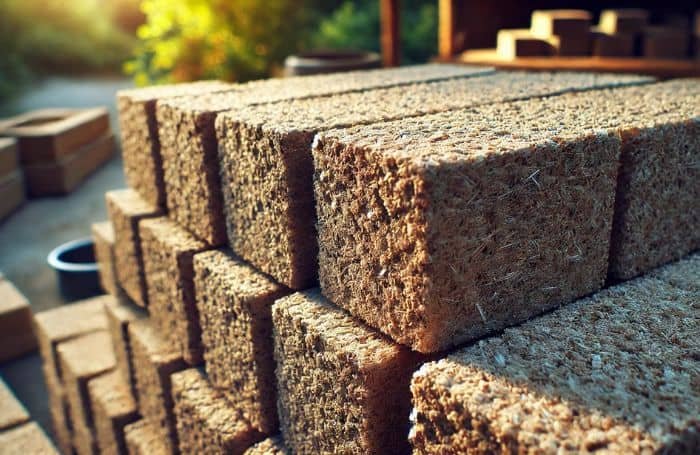
Mycelium is the vegetative part of a fungus, consisting of a network of fine white filaments. When combined with agricultural byproducts like straw or sawdust, mycelium acts as a natural binder, growing around the particles and forming a solid, lightweight structure. This process can be controlled in molds to produce insulation panels or blocks tailored to specific construction needs.
Unlike conventional insulation, which often relies on petrochemicals or energy-intensive manufacturing, mycelium insulation is grown in a matter of days using minimal resources. Once the desired shape is achieved, the material is heat-treated to halt further growth and ensure stability.
Key Advantages of Mushroom Insulation in Green Construction
There are several reasons why mushroom insulation material construction is being embraced by sustainable builders:
- Biodegradability: At the end of its life, mycelium insulation can be composted, leaving no toxic residue.
- Low Embodied Energy: Growing insulation uses far less energy than manufacturing fiberglass or foam alternatives.
- Thermal Performance: Mycelium panels provide effective thermal resistance, helping to maintain comfortable indoor temperatures.
- Fire Resistance: The natural properties of mycelium make it inherently flame-retardant without added chemicals.
- Sound Absorption: The fibrous structure dampens noise, making it suitable for both residential and commercial spaces.
- Non-Toxic: No harmful off-gassing, making it safer for indoor air quality.
These features make mycelium insulation a compelling choice for those seeking to minimize their building’s environmental footprint and maximize occupant health.
How Mushroom Insulation Is Made
The production process for mycelium insulation is both simple and sustainable:
- Substrate Preparation: Agricultural waste (such as straw, husks, or sawdust) is cleaned and sterilized.
- Inoculation: Mycelium spores are introduced to the substrate, which is then placed in molds.
- Growth: Over several days, the mycelium digests the substrate and binds it into a solid form.
- Finishing: The formed material is heat-treated to stop further growth and ensure durability.
This process is highly adaptable, allowing for custom shapes and sizes to fit different construction requirements. The result is a lightweight, durable, and eco-friendly insulation product.
Comparing Mycelium Insulation to Conventional Materials
When evaluating insulation options, it’s important to consider performance, cost, and environmental impact. Here’s how mycelium-based products stack up against common alternatives:
| Property | Mycelium Insulation | Fiberglass | Foam Board |
|---|---|---|---|
| Thermal Resistance (R-value) | Comparable (3-4 per inch) | 3-4 per inch | 5-6 per inch |
| Fire Resistance | Inherently flame-retardant | Requires additives | Varies, often flammable |
| Environmental Impact | Biodegradable, low energy | Energy-intensive, not biodegradable | Petrochemical-based, not biodegradable |
| Cost | Currently higher, decreasing with scale | Low | Moderate |
| End-of-Life | Compostable | Landfill | Landfill |
While mycelium insulation may have a higher upfront cost today, its environmental advantages and health benefits are driving increased adoption, especially in projects aiming for green certifications.
Applications and Limitations in Modern Building
Mycelium insulation can be used in a variety of settings, including:
- Wall and roof insulation panels
- Acoustic panels for soundproofing
- Packaging and temporary structures
However, there are some limitations to consider. The material’s moisture sensitivity means it must be protected from direct water exposure, typically by installing it behind vapor barriers or within sealed assemblies. Additionally, large-scale production is still ramping up, so availability may vary by region.
For those interested in the broader movement toward circular and zero-waste building, check out resources on zero waste construction materials and circular economy construction materials for more insights.
Integrating Mushroom-Based Insulation Into Your Project
If you’re considering this innovative material for your next build, here are some practical steps:
- Consult with suppliers: Reach out to manufacturers specializing in mycelium insulation to discuss available products and lead times.
- Work with your architect or builder: Ensure the design accommodates the unique properties of mycelium panels, especially regarding moisture management.
- Combine with other green materials: Pairing mycelium insulation with recycled plastic building materials or mass timber can further reduce your project’s carbon footprint.
- Stay informed: The field is evolving quickly, so keep an eye on new research and case studies.
For a broader overview of sustainable options, you might find this guide to sustainable building materials helpful in comparing different eco-friendly solutions.
Frequently Asked Questions
Is mycelium insulation safe for people with allergies?
Yes, mycelium insulation is generally considered safe for indoor air quality. Once heat-treated, it does not release spores or cause allergic reactions. However, as with any building material, those with specific sensitivities should consult with the manufacturer and review product safety data.
How does the cost compare to traditional insulation?
Currently, mycelium insulation is more expensive than fiberglass or foam, primarily due to limited production scale. As demand grows and manufacturing processes become more efficient, prices are expected to decrease, making it more accessible for mainstream construction.
Can mushroom-based insulation be used in all climates?
Mycelium insulation performs well in a range of climates but must be protected from direct moisture. Proper installation behind vapor barriers or within sealed wall assemblies is essential, especially in humid or wet environments.
Conclusion
As the building industry moves toward greener practices, mushroom insulation material construction stands out as a promising solution for eco-conscious projects. Its combination of sustainability, performance, and safety makes it an attractive option for those looking to reduce their environmental impact. By staying informed and working with experienced suppliers, builders can help drive the adoption of this innovative material and contribute to a more sustainable future.