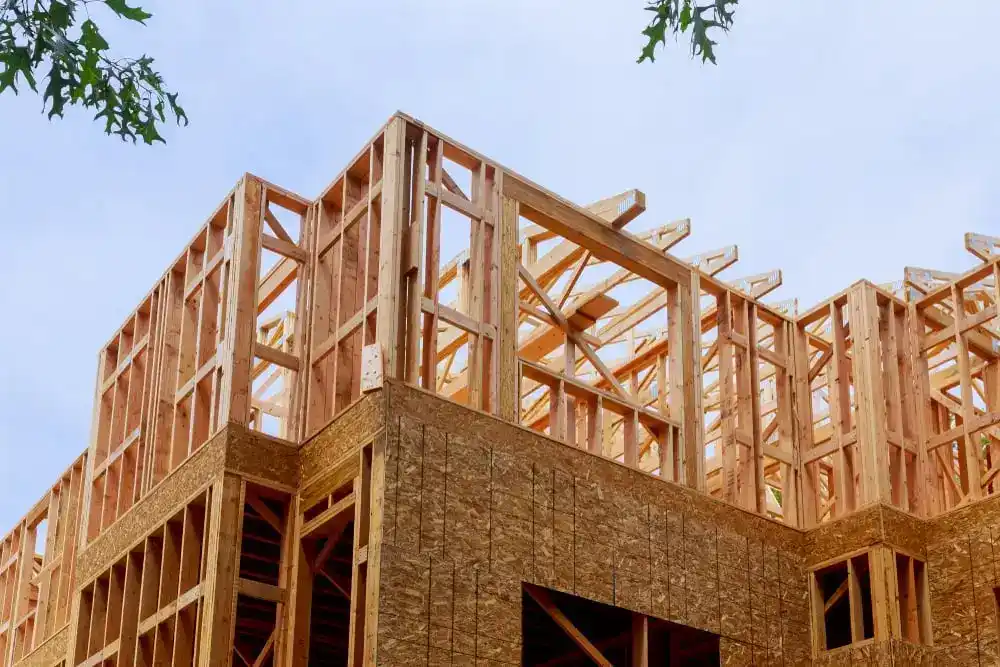
Homeowners and builders are increasingly seeking sustainable solutions for keeping homes comfortable and energy efficient. Among the many options available, cotton insulation eco friendly uses stand out for their safety, renewability, and performance. Made primarily from recycled cotton fibers, often sourced from denim and other post-consumer textiles, this insulation offers a practical way to improve indoor comfort while reducing environmental impact.
Choosing the right insulation is about more than just warmth—it’s about health, sustainability, and long-term value. Cotton-based materials are non-toxic, easy to handle, and provide excellent thermal and acoustic properties. As more people look for alternatives to traditional fiberglass or foam, understanding the unique benefits and applications of cotton insulation becomes essential for anyone interested in green building or home improvement.
For those exploring other innovative materials, the article on algae based building materials provides further insights into sustainable construction options.
What Makes Cotton Insulation a Sustainable Choice?
Cotton insulation is gaining popularity due to its low environmental footprint and safe handling characteristics. Unlike conventional options, cotton-based products are typically made from up to 85% recycled content, diverting waste from landfills and reducing the need for virgin resources. The production process uses less energy and water compared to fiberglass or mineral wool, contributing to a smaller carbon footprint.
One of the most appealing aspects is the absence of harmful chemicals. Cotton insulation does not contain formaldehyde, fiberglass shards, or volatile organic compounds (VOCs), making it safer for installers and occupants alike. Its hypoallergenic properties are particularly beneficial for families with allergies or respiratory sensitivities.
Key Benefits of Cotton-Based Insulation
- Thermal Performance: Cotton insulation provides effective resistance to heat flow, helping maintain stable indoor temperatures and reducing heating and cooling costs.
- Sound Absorption: The dense, fibrous structure of cotton dampens noise, making it ideal for interior walls, floors, and ceilings where sound control is important.
- Moisture Management: Cotton fibers can absorb and release moisture without losing insulating value, helping to regulate humidity and prevent mold growth.
- Safe Installation: Unlike fiberglass, cotton insulation does not irritate the skin, eyes, or lungs, making it easier and safer to install without special protective gear.
- Renewable and Recyclable: Made from natural fibers and recycled textiles, cotton insulation is both renewable and recyclable at the end of its life cycle.
Common Eco Friendly Uses for Cotton Insulation
The versatility of cotton insulation makes it suitable for a variety of residential and commercial applications. Here are some of the most effective ways to incorporate this material into your building or renovation project:
- Attic and Wall Insulation: Batts or rolls of cotton insulation can be fitted between studs, joists, and rafters to improve the thermal envelope of a home.
- Soundproofing Interior Spaces: Its excellent acoustic properties make cotton insulation a top choice for home theaters, music rooms, and offices.
- Floor and Ceiling Applications: Installing cotton insulation between floors or above ceilings helps reduce sound transmission and energy loss.
- Retrofit Projects: Because it is flexible and easy to cut, cotton insulation is ideal for upgrading older homes where irregular cavities are common.
For those interested in exploring more natural alternatives, check out the guide to plant based building materials for additional eco-conscious options.

Comparing Cotton Insulation to Traditional Options
When evaluating insulation materials, it’s important to consider not just thermal performance, but also health, safety, and environmental impact. Cotton insulation offers several advantages over traditional fiberglass and foam:
| Feature | Cotton Insulation | Fiberglass | Spray Foam |
|---|---|---|---|
| Material Source | Recycled cotton/textiles | Sand, recycled glass | Petrochemicals |
| Health Risks | Non-toxic, hypoallergenic | Can irritate skin/lungs | Potential VOCs, off-gassing |
| Environmental Impact | Low, renewable, recyclable | Moderate, energy-intensive | High, non-renewable |
| Installation | Easy, no special gear | Requires gloves/mask | Professional only |
| Sound Absorption | Excellent | Moderate | Good |
While fiberglass and foam remain common, cotton insulation’s safety and sustainability make it a compelling alternative for those prioritizing green building practices.
How to Install and Maintain Cotton Insulation
Installing cotton insulation is straightforward and can often be done by DIY enthusiasts. The material is typically available in batts or rolls, which can be cut to fit snugly between framing members. Here are some tips for a successful installation:
- Measure the cavity dimensions and cut the insulation to fit tightly, minimizing gaps.
- Press the insulation gently into place; do not compress, as this reduces its effectiveness.
- Seal any air leaks in the building envelope before installing insulation for maximum energy savings.
- Use a vapor barrier if recommended for your climate zone and application.
Maintenance is minimal. Cotton insulation is naturally resistant to pests and mold, but it’s important to address any moisture issues in the building to preserve its performance. Periodic inspection for settling or damage is recommended, especially after renovations or repairs.
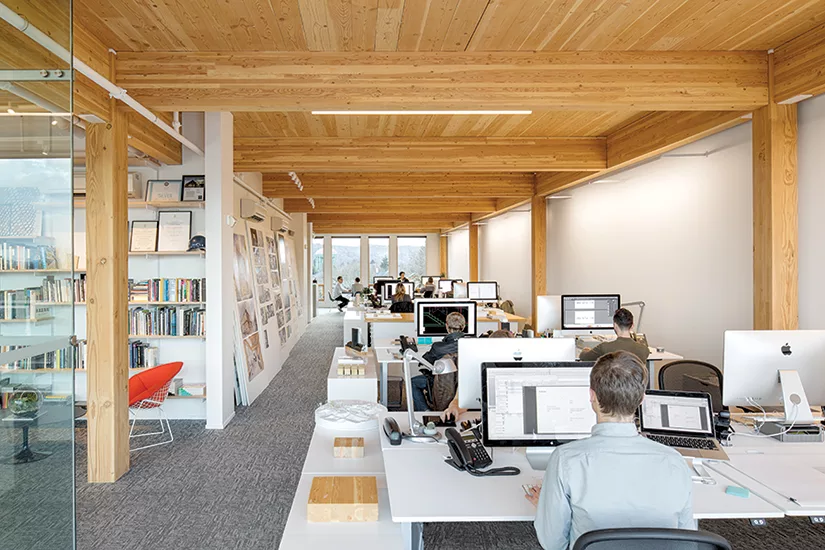
Expanding the Range of Eco Friendly Building Materials
Cotton insulation is just one example of how the construction industry is embracing sustainability. Other innovative materials, such as bio based construction materials and mushroom insulation material construction, are helping to redefine what’s possible in green building. These products not only reduce environmental impact but also improve indoor air quality and occupant well-being.
For those interested in the latest trends, this overview of eco-friendly materials in sustainable construction provides a comprehensive look at the options available today.
Frequently Asked Questions
Is cotton insulation safe for people with allergies?
Yes, cotton insulation is hypoallergenic and free from irritants like formaldehyde and fiberglass particles. This makes it a suitable choice for those with allergies or respiratory sensitivities.
How does cotton insulation perform compared to fiberglass?
Cotton insulation offers similar thermal resistance (R-value) to fiberglass but is easier and safer to handle. It also provides superior sound absorption and is made from renewable, recycled materials.
Can cotton insulation be recycled after use?
Absolutely. At the end of its useful life, cotton insulation can be recycled, further reducing its environmental impact and supporting a circular economy in building materials.
Conclusion
Embracing cotton insulation eco friendly uses is a practical step toward creating safer, healthier, and more energy-efficient homes. Its combination of renewable content, non-toxic composition, and effective performance makes it a standout choice for anyone committed to sustainability. As the demand for green building materials grows, cotton insulation will continue to play a vital role in shaping the future of home construction and renovation.
For more on innovative materials, explore the possibilities with mycelium building materials uses and discover how natural solutions can transform your next project.