
Cross laminated timber benefits are transforming the way architects, builders, and developers approach large-scale wood construction. As sustainability and efficiency become top priorities in the building sector, innovative materials like CLT are increasingly favored for their unique properties and environmental advantages. This article explores the key advantages of CLT, its role in contemporary architecture, and why it is considered a leading solution for eco-conscious and high-performance structures.
Mass timber construction is gaining traction worldwide, not only for its aesthetic appeal but also for its ability to meet strict environmental standards. Compared to traditional concrete and steel, CLT offers a renewable, low-carbon alternative that supports both design flexibility and structural strength. If you’re interested in exploring other engineered wood products, you might also find value in learning about glulam timber construction uses, which highlights another sustainable option for modern building projects.
What Is Cross Laminated Timber?
Cross laminated timber, commonly known as CLT, is an engineered wood product made by stacking layers of lumber at right angles and bonding them with structural adhesives. This crosswise arrangement enhances the material’s dimensional stability, strength, and rigidity, making it suitable for a wide variety of construction applications, from residential homes to multi-story commercial buildings.
CLT panels are prefabricated in factories, allowing for precise manufacturing and reduced on-site labor. The result is a versatile building component that can be used for floors, walls, roofs, and even entire building frames. The layered structure of CLT not only improves its load-bearing capacity but also contributes to its fire resistance and acoustic performance.
Key Advantages of CLT in Modern Construction
There are several compelling reasons why CLT is being adopted in contemporary architecture and large-scale wood builds. Below are some of the most significant cross laminated timber benefits that set it apart from conventional materials:
- Sustainability: CLT is made from renewable wood resources, often sourced from sustainably managed forests. Its production has a lower carbon footprint compared to steel or concrete, and it stores carbon throughout its lifespan.
- Structural Performance: The cross-laminated configuration provides exceptional strength and stability, allowing for longer spans and taller structures without the need for heavy steel reinforcements.
- Speed of Construction: Prefabricated CLT panels can be quickly assembled on-site, reducing construction time and minimizing disruption to surrounding areas.
- Design Flexibility: CLT can be cut and shaped to precise specifications, enabling architects to create innovative and complex forms that might be challenging with traditional materials.
- Thermal and Acoustic Insulation: The dense, layered structure of CLT offers excellent insulation properties, improving energy efficiency and occupant comfort.
- Fire Resistance: Contrary to common misconceptions, CLT performs well in fire due to its charring behavior, which protects the inner layers and maintains structural integrity for longer periods.
Environmental Impact and Sustainability
One of the most significant advantages of cross laminated timber is its positive impact on the environment. CLT is manufactured from wood, a renewable resource that can be regrown and harvested sustainably. When sourced from responsibly managed forests, CLT helps reduce reliance on fossil fuel-intensive materials and supports carbon sequestration.
Throughout its lifecycle, CLT stores carbon absorbed by trees during growth. This carbon remains locked within the panels, helping to offset emissions from other construction processes. Additionally, the prefabrication of CLT panels leads to less waste and more efficient use of raw materials. For those interested in broader eco-friendly construction practices, this overview of eco-friendly construction and its importance provides further insights into sustainable building strategies.
CLT also supports green building certifications, such as LEED and BREEAM, by contributing points for responsible sourcing, energy efficiency, and indoor environmental quality.
Comparing CLT to Other Building Materials
When evaluating cross laminated timber benefits, it is helpful to compare CLT with traditional construction materials:
| Material | Carbon Footprint | Construction Speed | Renewability | Design Flexibility |
|---|---|---|---|---|
| CLT | Low | Fast | High | High |
| Concrete | High | Moderate | Low | Moderate |
| Steel | High | Fast | Low | High |
This comparison highlights why CLT is a preferred choice for projects aiming to minimize environmental impact while maintaining construction efficiency and creative freedom.

Applications in Large-Scale Wood Construction
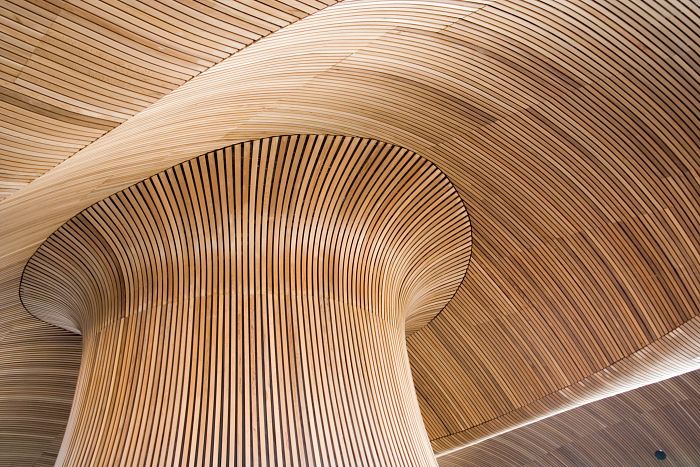
CLT is increasingly used in a variety of ambitious projects, including multi-family housing, schools, offices, and public buildings. Its ability to span long distances and support heavy loads makes it ideal for open-plan layouts and tall structures. In addition to its structural capabilities, the natural appearance of wood contributes to a warm and inviting interior environment.
For those interested in other plant-based and renewable building materials, you may also want to explore hemp fiber construction uses and jute construction materials benefits, both of which offer unique strengths for sustainable architecture.
CLT’s prefabrication allows for precise integration of insulation, windows, and mechanical systems, further streamlining the construction process and improving building performance.
Challenges and Considerations
While the advantages of cross laminated timber are substantial, there are some challenges to consider. Moisture management is critical, as wood can be susceptible to rot if not properly protected. Building codes and regulations may also vary by region, requiring careful planning and coordination with local authorities.
Supply chain logistics, transportation of large panels, and the need for specialized installation skills can also influence project timelines and costs. However, as the industry matures and more professionals gain experience with CLT, these challenges are becoming easier to manage.
For those seeking alternatives to traditional wood, the article on wood alternatives for sustainable building provides additional insights into modern material choices.
Frequently Asked Questions
Is cross laminated timber safe in fire situations?
Yes, CLT performs well in fire due to its predictable charring behavior. The outer layers char and form a protective barrier, slowing down the spread of fire and maintaining the panel’s structural integrity longer than many expect. This makes CLT a safe option when designed and detailed according to fire safety standards.
How does CLT contribute to energy efficiency?
The dense, multi-layered structure of CLT provides excellent thermal insulation, reducing heat transfer and helping buildings maintain comfortable indoor temperatures. This can lead to lower energy consumption for heating and cooling, supporting both cost savings and environmental goals.
Can CLT be used in combination with other materials?
Absolutely. CLT is often used alongside materials like steel, concrete, and glass to achieve specific design or structural objectives. Hybrid construction methods allow architects to leverage the strengths of each material, creating buildings that are both efficient and visually striking.
Conclusion
The shift toward sustainable, high-performance building materials is driving the adoption of CLT in modern construction. Its blend of strength, environmental responsibility, and design versatility makes it a compelling choice for architects and developers seeking to create impactful, future-ready structures. As more projects demonstrate the real-world advantages of CLT, its role in shaping the built environment will only continue to grow.