Creating a safe and comfortable living space starts with the choices made during construction or renovation. Increasingly, homeowners and builders are prioritizing non toxic construction materials to reduce exposure to harmful chemicals and improve indoor air quality. These materials not only benefit health but also support sustainability and long-term well-being.
Traditional building materials can release volatile organic compounds (VOCs), formaldehyde, and other pollutants that linger in the air, sometimes for years. By selecting alternatives that are free from these substances, it’s possible to build or remodel homes that are safer for families and the environment. This article explores the most effective options, practical benefits, and how to identify and source safer products for your next project.
For those interested in how sustainable standards are shaping the industry, the BREEAM sustainable materials standards provide valuable guidance on selecting products that meet global benchmarks for safety and environmental responsibility.
Why Choose Safer Building Materials?
Switching to non toxic construction materials offers several advantages for both new builds and renovations:
- Improved Indoor Air Quality: Materials free from VOCs, formaldehyde, and other toxins reduce the risk of respiratory issues, allergies, and headaches.
- Long-Term Health Benefits: Minimizing exposure to hazardous substances can lower the risk of chronic health problems, especially for children and sensitive individuals.
- Environmental Impact: Many safer materials are also eco-friendly, supporting responsible sourcing and reducing landfill waste.
- Better Durability: Natural and low-emission products often last longer and require less maintenance over time.
Key Types of Non Toxic Construction Materials
There are many options available for those seeking to build or renovate with health and sustainability in mind. Below are some of the most popular and effective choices.
Bamboo and Sustainably Harvested Wood
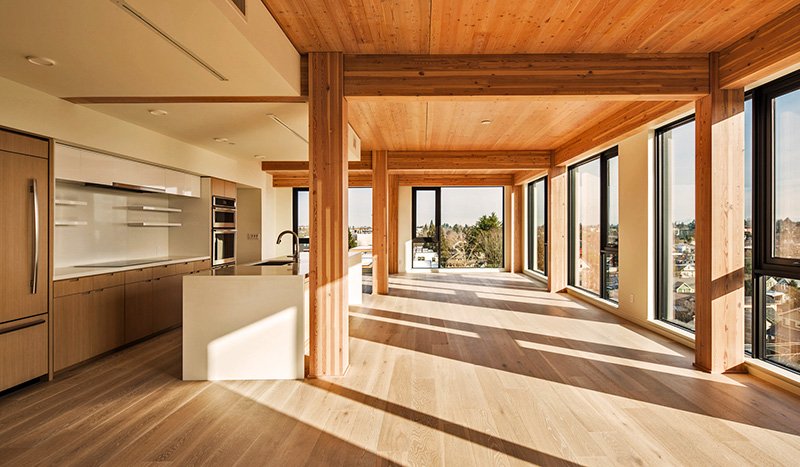
Bamboo is a rapidly renewable resource that’s naturally resistant to pests and doesn’t require heavy chemical treatments. It’s commonly used for flooring, cabinetry, and wall panels. Similarly, wood certified by organizations like the Forest Stewardship Council (FSC) ensures responsible harvesting and minimal use of harmful finishes.
Low-VOC and Natural Paints
Conventional paints and finishes are a major source of indoor air pollution. Opting for low-VOC or zero-VOC paints, as well as natural alternatives made from clay, milk, or plant oils, can significantly reduce harmful emissions. These products are now widely available in a variety of colors and finishes.
Insulation Without Harmful Additives
Insulation is essential for energy efficiency, but many traditional types contain formaldehyde or flame retardants. Safer options include:
- Cotton (Denim) Batts: Made from recycled cotton, these batts are free from fiberglass and chemical irritants.
- Cellulose: Produced from recycled paper and treated with safe fire retardants, cellulose insulation is both effective and eco-friendly.
- Wool: Naturally fire-resistant and moisture-regulating, wool insulation is a premium choice for healthy homes.
- Formaldehyde-Free Fiberglass: Modern fiberglass insulation is available in versions that do not use formaldehyde-based binders.
Hempcrete and Alternative Wall Systems
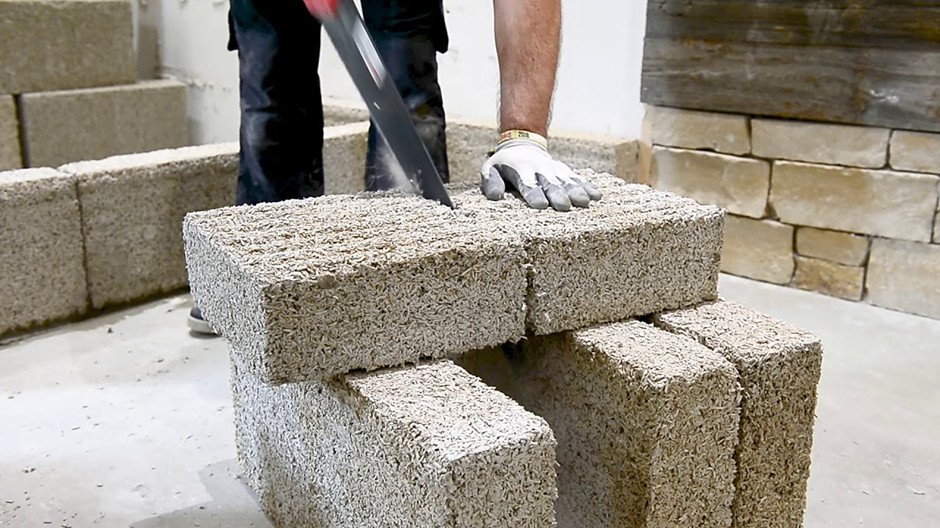
Hempcrete is a bio-composite material made from hemp fibers and lime. It offers excellent insulation, is naturally mold-resistant, and contains no synthetic chemicals. Other alternatives include straw bale construction and clay-based plasters, which are breathable and non-toxic.
Flooring That Supports a Healthier Home
Flooring can be a significant source of indoor toxins. Safer choices include:
- Solid Hardwood: Finished with natural oils or water-based sealers, solid wood is durable and low in emissions.
- Cork: Naturally antimicrobial and renewable, cork flooring is soft underfoot and free from harmful adhesives.
- Linoleum: Made from linseed oil, wood flour, and natural pigments, true linoleum is a classic, non-toxic option.
- Bamboo: As mentioned above, bamboo is a sustainable and safe alternative to conventional engineered flooring.
Certifications and Standards to Look For
When shopping for safer building products, look for certifications that verify low emissions and responsible sourcing. These include:
- GREENGUARD: Certifies products for low chemical emissions.
- FSC (Forest Stewardship Council): Ensures wood products are sustainably harvested.
- Cradle to Cradle: Recognizes products designed for safe, circular use.
- LEED: The LEED certified materials list is a valuable resource for finding products that contribute to green building credits.
These certifications help consumers identify products that meet rigorous health and environmental criteria, making it easier to build or renovate with confidence.
How to Identify and Source Healthier Materials
Choosing the right products involves more than just reading labels. Here are some practical tips:
- Ask suppliers for third-party certifications and safety data sheets.
- Research brands and products using reputable databases and green building resources.
- Consult with architects or contractors experienced in healthy home construction.
- Consider the entire lifecycle of a material, from sourcing to disposal.
For a deeper dive into the science and latest research on the topic, review this peer-reviewed article on sustainable and non-toxic building materials.
Additional Green Building Options
Beyond the basics, there are other innovative products and systems that can further reduce your home’s environmental footprint and exposure to toxins:
- Recycled rubber roofing materials offer durability and lower chemical emissions compared to traditional asphalt shingles.
- Solar roof tiles benefits include generating clean energy while using materials designed for minimal toxicity.
- Green building certification materials can help guide choices for every part of the home, from insulation to finishes.
Integrating these options into your project can further enhance both health and sustainability.
Frequently Asked Questions
What are the main health risks of conventional building materials?
Many traditional products release VOCs, formaldehyde, and other chemicals that can cause respiratory irritation, headaches, allergies, and increase the risk of long-term health issues. Children, the elderly, and those with sensitivities are especially at risk.
Are non-toxic materials more expensive?
Some safer options may have a higher upfront cost, but they often result in savings over time through improved durability, less maintenance, and better health outcomes. As demand grows, prices for many products are becoming more competitive.
How can I be sure a product is truly non-toxic?
Look for third-party certifications such as GREENGUARD, FSC, or Cradle to Cradle. Always request safety data sheets and research the manufacturer’s reputation. If possible, choose products with transparent ingredient lists and minimal chemical additives.
Conclusion
Building or renovating with non toxic construction materials is a practical step toward a healthier, more sustainable home. By prioritizing products with low emissions, natural ingredients, and responsible sourcing, you can create a space that supports well-being for years to come. Whether you’re planning a major construction project or a simple update, the choices you make today will have lasting benefits for your family and the environment.